
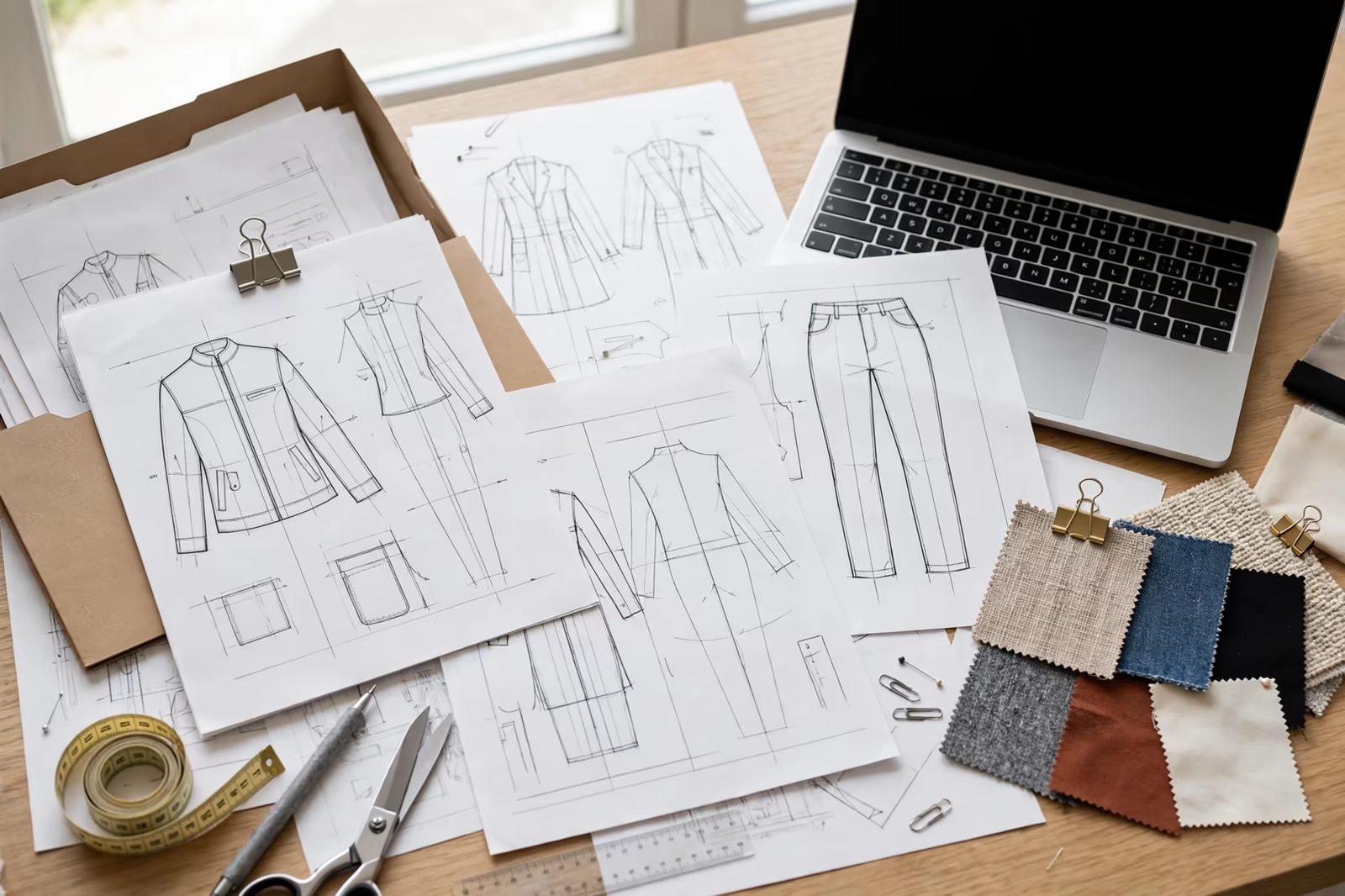
Every brand that manufactures overseas lives with the same quiet question: what stops my designs appearing somewhere else? The fear is understandable, and mostly misdirected. Designs are rarely stolen in the dramatic way founders imagine, a factory secretly running extra production for a rival. They leak in ordinary ways: a tech pack forwarded too widely, a sample left unlogged, a development shared with partners who were never asked to protect it. Protection, in practice, is less about suspicion and more about systems: what you register, what you write down, what you share with whom, and in what order. This guide sets out the working system.
The designs protected by these habits are developed with us in Bangladesh by brands selling in the USA and the UK, where a leaked style can be copied and listed before the original has even launched.
Our own commitments sit in our privacy policy and terms and conditions, and design handling is agreed inside our brands programs before the first sample is cut.
What Design Protection Actually Covers
A clothing design is not one right but a bundle. The brand name and logo can be trade marks. Original prints, graphics and artwork can carry copyright and, in some systems, registered design rights. A genuinely novel garment design may qualify for design registration in some markets, while shapes dictated purely by function usually do not. Trade dress, get-up and reputation add further layers in some jurisdictions. Each layer has its own registration, term and evidence, and none of them arises from simply having had the idea first.
The practical conclusion shapes this whole guide: protection is built from paperwork created before and during development, registrations filed in the markets where you sell, contracts signed before files move, and records kept as if a dispute were scheduled. Brands that treat protection as a development stage, not a legal afterthought, are the ones whose rights survive contact with the real world.
Register First: Trade Marks and Design Rights
The name is the asset everything else hangs on, and it is protected by registration in each market of sale, ideally before launch and before any public disclosure. Prints and graphics that define the range deserve the same treatment where registration is available, and novel designs should be assessed for design registration within the windows the law allows, because in several systems public disclosure starts a clock that cannot be rewound.
Registration is also positioning: a brand that can state its marks and designs are registered negotiates differently, lists differently on marketplaces, and answers copycats with filings rather than feelings. The factory’s role here is simple and important: it manufactures what the brand owns, claims no rights in it, and says so in writing before production, which is the clause the next sections return to.
The Contract Layer: NDAs and Manufacturing Terms
Before tech packs move, two documents should exist. A non-disclosure agreement covering designs, patterns, prints, customer information and commercial terms, binding the factory and, crucially, flowing down to any subcontracted process the factory uses with the brand’s knowledge. And manufacturing terms that state plainly: all designs, patterns, artwork, labels and brand materials supplied or developed for the brand are the brand’s property; the factory acquires no right to use, copy, sell or display them; samples and overruns are the brand’s property, to be returned or destroyed as instructed.
Clauses on photography and display matter more than founders expect: no pictures of the brand’s products in the factory’s catalogue, showroom, website or social channels without written permission. Most quiet copying in the trade begins as marketing material, a sample photographed for a portfolio, and the clause that forbids it costs nothing to include and everything to invent afterwards.
Choosing Partners: Due Diligence Is the First Clause
Protection begins before any document, in the choice of partner. A factory whose business is built on long brand relationships has its reputation as a hostage to good behaviour, and that hostage is worth more than any single clause. Due diligence is therefore a protection activity: references from other brands, a history of private label work, a willingness to sign precise terms without haggling over the ownership clauses, and transparency about which processes happen in-house and which are subcontracted.
The warning signs are equally practical: a partner casual about other brands’ samples on display, reluctant to name subprocessors, or eager to show you developments made for existing customers. A factory that shows you another brand’s unreleased work has just demonstrated its confidentiality standard, on the only evidence that matters, its behaviour when it thought it was selling.
Compartmentalise: Share in Stages, Not in Full
Not every partner needs every file. Development can be staged so that the full picture exists in only one place: print artwork held until the print house stage, labels and branded trims ordered under the brand’s control or produced last, patterns shared for sampling with parties named in the agreement. The aim is not secrecy theatre; it is reducing the number of complete copies of a design that exist outside the brand’s hands.
File discipline supports the staging: dated, versioned tech packs sent through recorded channels, never scattered across personal messages; access reviewed when staff or partners change; development samples logged out and back. None of this slows a professional program down. It merely ensures that if a design ever does surface somewhere it should not, the brand can show who held what, and when, which is the evidence every remedy begins with.
When the Factory Helps Design: Shared Development Rules
Many brands develop with their factory’s pattern masters and technicians, and the collaboration creates a genuine question: who owns what the room creates together? The answer belongs in the terms before the collaboration starts. The workable standard is simple: everything developed for the brand’s range, patterns, fits, adaptations and specifications, is the brand’s property, while the factory’s general skills, machinery know-how and pre-existing techniques remain the factory’s.
That line, drawn early and in writing, protects both sides. The brand can move its range without hostage negotiations; the factory can serve other brands with its expertise intact. Disputes in this area almost never come from bad faith; they come from the line never having been drawn while everyone was still friendly, which is precisely when drawing it costs least.
Samples, Overruns and Seconds: The Physical Leaks
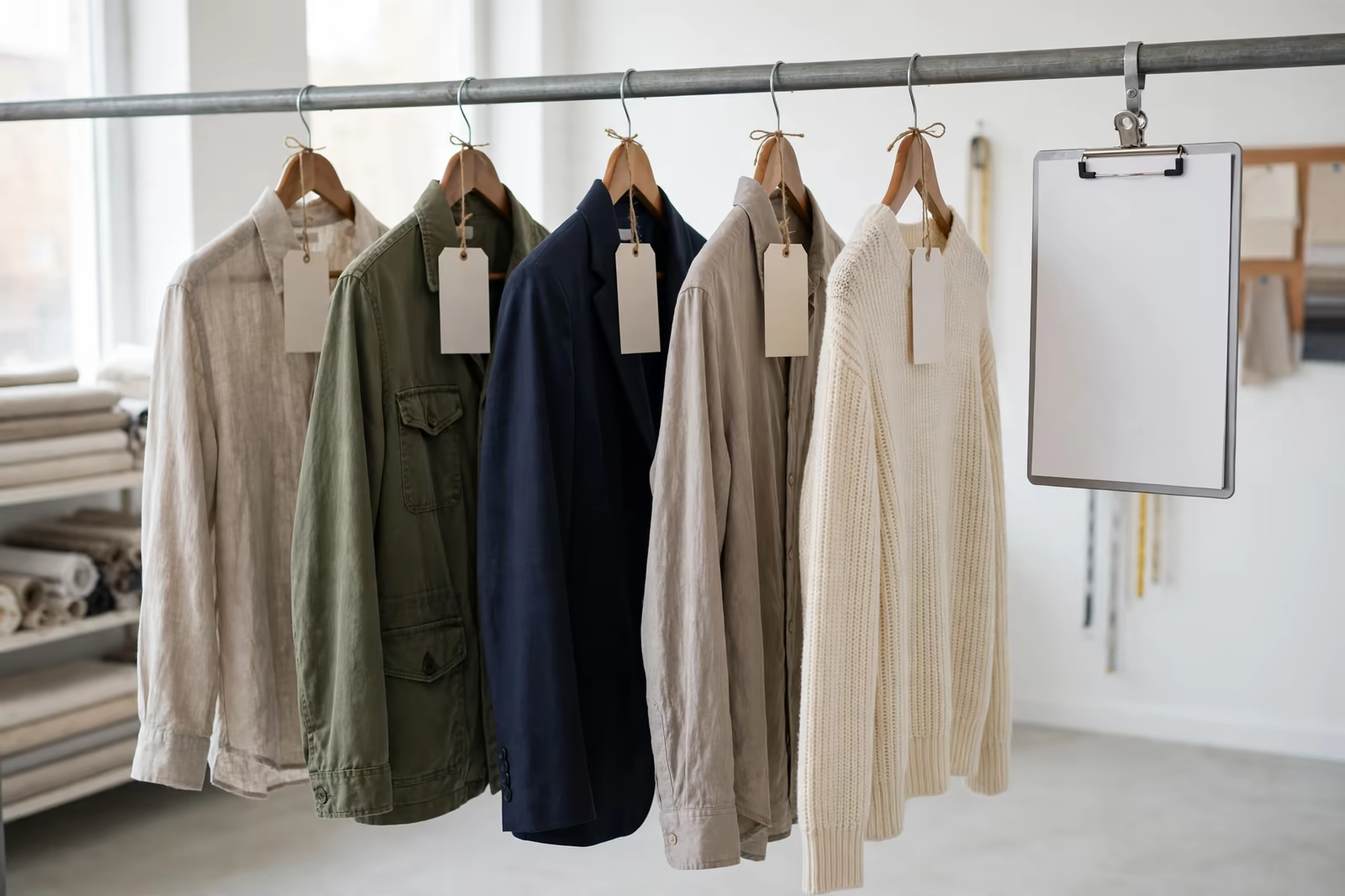
Physical product leaks more often than digital files. Development samples, fit samples, salesman samples, photo samples, production overruns and quality seconds all contain the design in its most copyable form. The agreement and the habit must match: samples are numbered and logged; surplus and rejected units are accounted for, returned, or destroyed with evidence; nothing bearing the brand leaves the factory except as the brand directs.
Our programs run at a standard minimum of 1,200 pieces per style in up to two colours, and production counting is exact for commercial reasons alone; the same counting closes the physical leak. A factory that can reconcile every unit, ordered, shipped, sampled, rejected, destroyed, has answered the overrun question with arithmetic, which is the only answer worth having.
Prints and Artwork: Keep the Masters
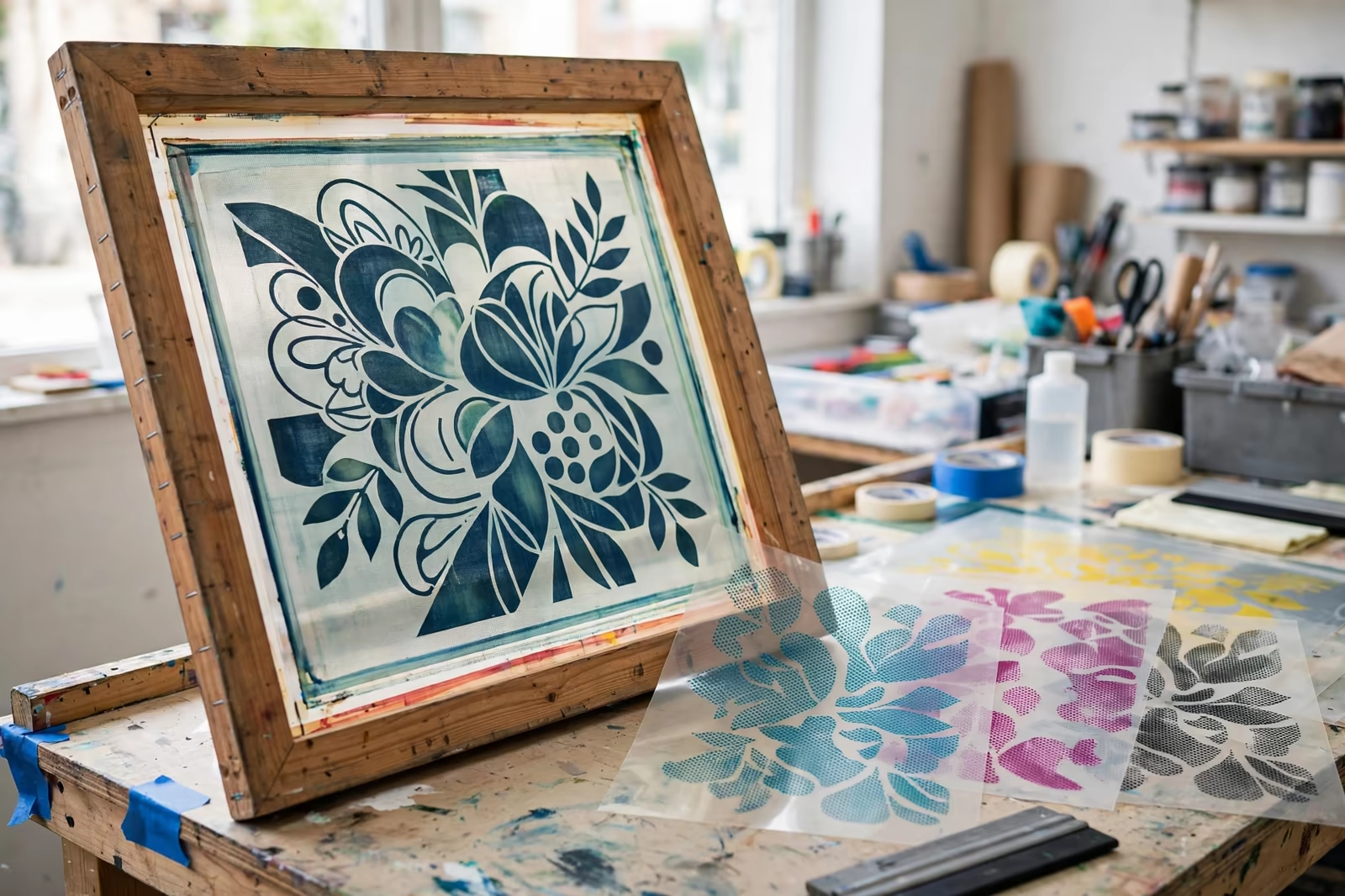
Original artwork is the most portable and most copied layer of a design, so its handling is strictest. The brand keeps the master files, supplies production files sized for the job, and registers or documents the artwork’s creation and ownership, dated drafts and designer agreements included, because copyright disputes are won on evidence of authorship. Print screens, embroidery files and jacquard programs made from the artwork are production tools owned by the brand under the manufacturing terms, to be held, returned or erased as the brand instructs.
Where a factory’s in-house team adapts artwork for production, separating colours, engineering repeats, digitising embroidery, the terms should state that adaptations belong to the brand too. Otherwise a brand can find its own print legally entangled with the tooling that produces it, a small clause with long consequences.
Watching the Market: Detection Is a Routine
Rights unenforced decay in practice even where they survive in law, so protection includes watching: periodic searches of marketplaces and social commerce for the brand’s prints, names and product photographs; test purchases when something surfaces; platform takedown routes used promptly, since marketplaces act on documented rights far faster than on complaints. Detection is cheap compared with discovery by a customer.
The factory can be an ally here rather than a suspect: a manufacturing partner serving many brands hears the market’s gossip and sees copying early. Relationships in which reporting a copy is welcomed, and never punished, turn the supply chain into an early-warning system, one more reason the tone of protection should be systematic rather than suspicious.
If It Happens: The Response Ladder
When a copy surfaces, sequence matters. First, preserve evidence: screenshots with dates, a purchased sample, the listing’s seller details. Second, identify the right actually infringed, mark, design or artwork, and the registration that proves it. Third, use the fastest channel, usually the platform’s rights-owner process, with the evidence pack attached. Fourth, formal notice through counsel where the scale justifies it. Public accusation before evidence is the one step that never helps and sometimes harms.
Most copies die at the platform stage when the paperwork is in order, which returns to the guide’s opening point: the response is won or lost at registration and record-keeping time, months before any copy appears. Brands that did the quiet work find enforcement almost boring; brands that did not find it almost impossible.
Frequently Asked Questions
Should I register my designs before showing them to a factory?
Register the brand name first, before launch publicity, and assess registrable designs and artwork within the legal windows, because disclosure can start clocks in some systems. In parallel, the NDA and manufacturing terms are signed before files move, and staged sharing limits exposure during development. Registration, contract and compartmentalising work as one system; any leg alone is weaker than the three together.
Can a factory legally sell my overruns or seconds?
Not under properly drafted manufacturing terms: overruns, samples and rejected units are the brand’s property, to be shipped, returned or destroyed only as the brand instructs, and nothing bearing the brand may be sold, given away or displayed without written permission. Exact production counting and unit reconciliation are how the promise is verified rather than merely stated.
What evidence should I keep during development?
Dated design files and drafts, designer or freelancer agreements assigning rights to the brand, registration certificates, the signed NDA and manufacturing terms, versioned tech packs with their sending records, and a sample log. Together they prove what you own, when you created it and who held it, which is the complete skeleton of any enforcement action you may ever need.
Is an NDA with an overseas factory actually enforceable?
Its practical strength comes from the whole relationship: clear terms, staged sharing, exact counting and a partner whose business depends on brand trust. Paper alone rarely chases anyone across borders cheaply, which is why the system emphasises prevention and evidence over litigation. A factory that signs precise terms and then operates to them observably is giving the only assurance that has ever really worked in trade: verifiable behaviour.