
Most buyers negotiate the way they were taught by watching others: name a lower number, repeat it with feeling, and wait. Against a garment factory it is the weakest tool in the room, because the factory’s costs are physical things, yarn, cloth, minutes and freight, and none of them shrink under pressure. They shrink, when they shrink at all, under redesign, replanning and genuine efficiency. This guide sets out the levers that genuinely move a price, used by experienced buyers sourcing from a manufacturer in Bangladesh for the USA, the UK, Germany, Canada and Australia.
Every lever below works the same way: it removes real cost from the order, or removes real risk from the factory, and asks for part of that saving back. That is negotiation a factory can say yes to without weakening your garments.
Why Price Pressure Fails
Pressure asks the factory to absorb a number it cannot change. Faced with an impossible demand, a factory has only three honest options and one dishonest one, and buyers who push hardest meet the fourth most often.
- Refuse, and lose the order to a less careful competitor
- Accept and take the difference from margin, once, while resenting it
- Accept and quietly re-engineer the specification to fit the number
- Accept now and recover the difference later through corrections and extras
The third path is the famous one: the fabric arrives lighter, the stitching sparser, the trims cheaper. The buyer won the negotiation and lost the garment. Professional buyers therefore negotiate the cost structure, not the other party’s dignity.
Lever One: Specification Flexibility
The most powerful sentence in negotiation is “what would make this cheaper to produce?” asked about each expensive element of the garment. Factories know exactly where their costs sit, and a buyer who lets them engineer value keeps quality where customers notice it and removes it where they do not.
- Finish options: which treatments the garment truly needs and which are habit
- Construction options: seams and details that cost minutes without adding value
- Fabric alternatives: a neighbouring construction or blend with the same hand feel
- Decoration options: fewer colours, smarter placement, a cheaper technique, same look
- Packing options: presentation matched to how the garment will actually be sold
Every accepted suggestion is a saving both sides can defend, because the product was redesigned openly rather than weakened secretly.
Lever Two: Quantity and Concentration
Quantity is real cost, so it negotiates like real money. The buyer who concentrates volume, fewer colours carried deeper, styles sharing one fabric, seasons ordered together, hands the factory efficiencies it can price.
- Consolidate colours and styles instead of fragmenting the same budget
- Share fabrics across styles so cloth buys at genuine volume
- Offer repeat potential honestly: programmes price better than one-offs
- Ask where the next break sits and what shape of order reaches it
- Trade depth in proven styles for breadth in unproven ones
Our standard minimum of 1,200 pieces per style in up to two colours is the floor of this logic, not its ceiling. The further an order travels into efficient shapes, the more there is to share.

Lever Three: Time and Certainty
Factories sell two things: garments and capacity. A buyer who books capacity early, decides approvals quickly and keeps the production window stable removes risk the factory otherwise prices in.
- Early confirmation lets fabric book at better rates and calmer timing
- Fast approvals keep the line plan intact and the schedule honest
- Stable specifications after confirmation avoid re-costing the whole order
- Realistic delivery windows avoid the premium chaos of rescue production
- Forecasts, even rough ones, let the factory plan and price forward
Certainty is a currency. Buyers who pay in it find factories remarkably willing to settle the money side generously, because a predictable order at a fair price beats a frantic one at a higher price. Time given generously at the planning stage is the one concession that costs a well-organised buyer almost nothing.
Lever Four: Payment Behaviour
Payment terms carry a price whether they are named or not, because money has a cost and risk has a cost. A buyer who pays each stage on the day it falls due, or offers a structure that reduces the factory’s exposure, is offering something with genuine value to trade.
- Prompt stage payments, evidenced over repeated orders, earn softer terms
- A larger deposit share can fairly trade against a better unit price
- Clean documentation habits reduce the factory’s bank friction and delay
- The structures available sit on the payment terms page for reference
This lever compounds with reputation: the buyer known for paying cleanly gets quoted keenly, because the factory is not quietly pricing in the cost of chasing money.
Lever Five: The Relationship Itself
The final lever is the oldest in trade. A factory invests its best line time, its sharpest costing and its honest warnings in buyers it expects to see again. One-off buyers shopping a number around ten factories receive the market’s most defensive prices, because nobody invests in a relationship that ends at shipment.
- Concentrate volume with fewer factories and let each one know it matters
- Share your season plans, forecasts and honest feedback after each order
- Visit, or at least meet properly, so the relationship has faces in it
- Honour the small agreements; they are the evidence the large ones rest on
- The breadth of a real partnership is visible on the services page
None of this is softness. It is the recognition that a factory’s best price is reserved for the buyer whose orders it can plan around, produce well and be paid for without drama.
How to Run the Conversation
Bring the levers together and the negotiation changes shape entirely. Open with the specification and ask where cost can leave it. Present your quantity honestly and ask what shape would price better. State your timeline and payment behaviour as the assets they are. Then ask for the number, and when it comes, test it against the garment, not against your hopes.
Keep the conversation on the order itself throughout: its fabric, its shape, its timing, its terms. The moment a negotiation becomes personal, about stubbornness or pride, both sides stop engineering and start defending, and defended positions produce exactly the hidden cuts this guide exists to avoid.
If the gap remains, ask the most useful question in sourcing: what would have to change for this price to work? The answer is a map of the factory’s real costs, and maps are worth more than discounts. When you are ready to negotiate this way, send the specification through get a quote and expect a conversation about your order, not an argument about a number.
What Skilled Negotiators Never Do
Experience shows as clearly in what buyers avoid as in what they do. Certain classic moves feel strong in the room and quietly tax every future order that buyer places in the market.
- Inventing a competitor’s quote: factories compare notes and recognise fiction
- Promising volume they do not control to win a one-off price
- Renegotiating after confirmation, when the factory has committed its costs
- Treating sampling as free leverage while never intending to order
- Threatening to walk away from a price they would happily have paid
- Negotiating with staff who have no authority to decide anything
Each of these buys, at most, one small victory, paid for with the buyer’s reputation in a trade where factories, agents and buying offices talk to each other constantly. The levers in this guide are slower and they compound; that is precisely their advantage.
A Negotiation That Worked
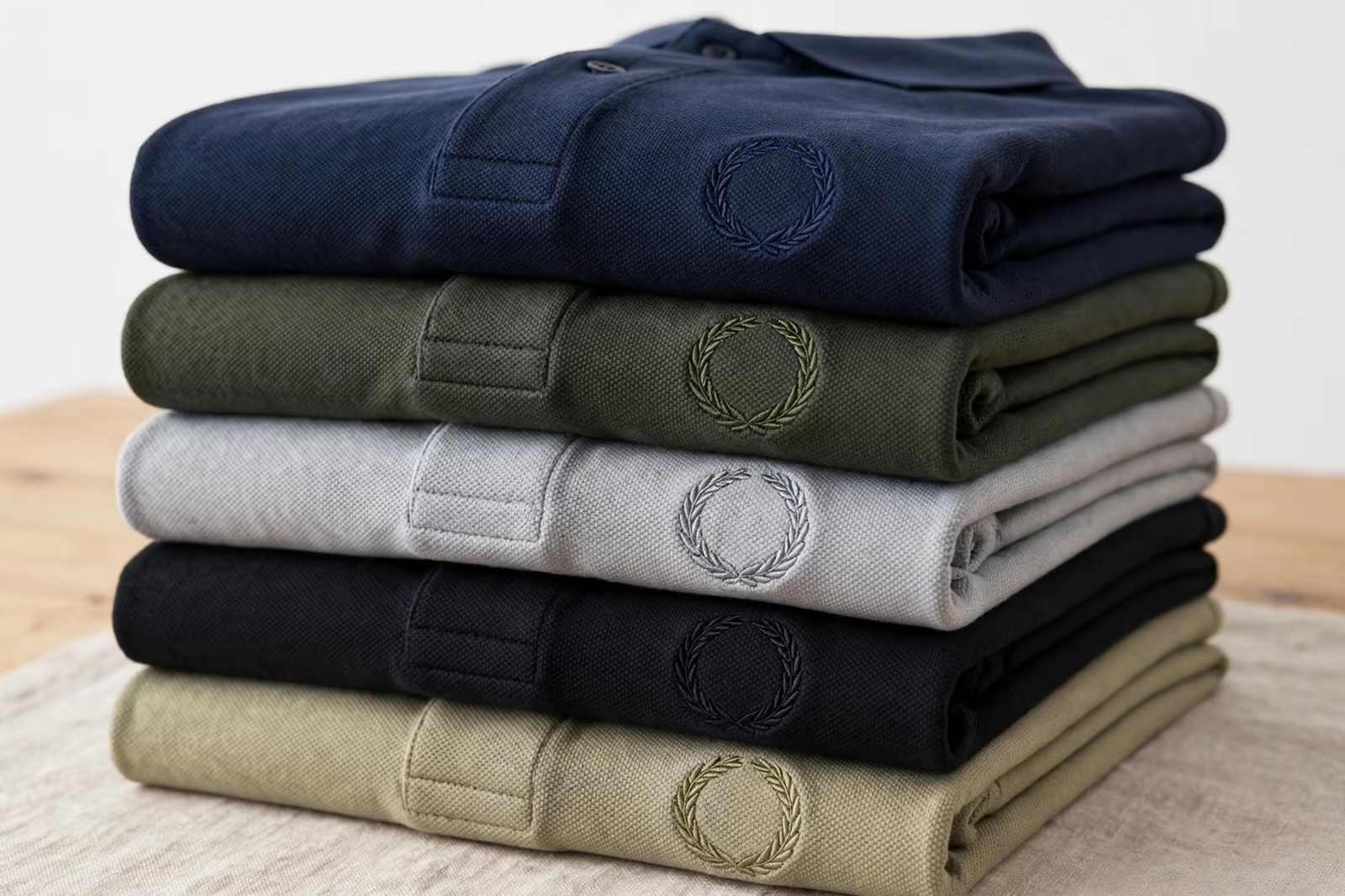
A uniform buyer needed a polo programme priced below the first quotation without weakening a garment her client had already approved. Pressure would have been easy and dangerous. Instead she brought the factory three offers: the order combined two seasons of demand into one confirmation, approvals would be returned within two working days at every stage, and the embroidery could move from a dense filled design to a cleaner outline version her client liked equally.
The factory repriced with the levers in hand: better fabric rates on the combined volume, a line plan protected by fast approvals, and decoration savings from the simpler stitch work. The final price met her budget, the garment her client approved is the garment that shipped, and the same structure now prices their programme every season. Nobody won an argument. Both sides redesigned an order until its price made sense, which is what factory negotiation looks like when it works.
When Walking Away Is the Right Lever
One negotiation skill remains, and it is the one that gives all the others their credibility: knowing the point at which your order genuinely cannot work, and declining it cleanly. A buyer who can walk away negotiates every other order from strength, because factories learn that this buyer’s yes means yes and the numbers around it are real.
- Walk away when the price only works with the specification weakened
- Walk away when the factory cannot explain its own cost structure
- Walk away when terms keep shifting after they were agreed
- Decline politely, state the reason once, and leave the door open
- Record what was offered; markets move and next season differs
Walking away well is not theatre and never a bluff. Done honestly, it protects your product, your budget and, not rarely, the relationship itself, because the factory returns next season with its genuine best structure rather than its most defensive one.
Frequently Asked Questions
Is it wrong to ask a factory for a lower price?
Not at all. Asking is normal trade. What fails is asking with nothing behind it except insistence, because the factory must fund the difference from somewhere. Bring a lever, a specification change, a quantity shape, a timing or payment improvement, and the same request becomes easy to grant.
What if the factory will not move on price at all?
Ask what the price protects. Sometimes the number is genuinely at its floor for your specification, and the factory explaining its cost structure is showing you respect. Your choice then is honest: adjust the specification, adjust the quantity, or pay it. A firm price with open costing is worth more than a soft price with hidden cuts.
Should I show the factory a competitor’s lower quote?
You can share that a gap exists and ask where it might come from; experienced factories will often identify the likely specification difference immediately. Demanding a match without the breakdown invites the matching to happen inside the garment. Compare specifications first, prices second.
How many factories should I negotiate with at once?
Two or three serious candidates, each with the full specification, is the pattern that produces honest numbers and respectful attention. Negotiating the same order across a crowd teaches every factory that the relationship is transactional, and transactional buyers receive transactional prices.