
Orders change. A retailer reads the market and wants a different colour; a brand updates its logo mid-season; a buyer’s own customer moves a delivery window. Mid-production changes are a normal feature of garment buying, and factories that pretend otherwise are simply unprepared. What separates a smooth change from an expensive one is timing, clarity and honesty about what the change touches.
The merchandising teams behind this guide work in Bangladesh, absorbing mid-production changes on export orders bound for buyers in the USA, the UK, Germany, Australia and across Europe. Their experience reduces to one principle: almost any change is possible early, most are possible in the middle at a price, and a few become impossible at the end no matter what anyone pays.
Changes are handled inside the framework set out on our terms and conditions page, within the structure on our MOQ and production page, and their cost effect is settled openly before a revised quotation through our get a quote page.
Why Changes Arrive Mid-Production
Most changes are not carelessness; they are the market moving faster than the order cycle. A colour that tested well gets swapped into more units; a competitor’s launch forces a design response; a retailer’s distribution plan shifts sizes between regions. The garment order, placed months ahead, meets a present that has moved on.
Some changes arrive from inside the buyer’s own house: a new compliance rule, a corrected artwork file, a legal department’s late word on a label. Others arrive from the product itself, when a first bulk review shows a detail the sample did not reveal and the buyer asks for an adjustment rather than accepting it.
A factory’s job is not to judge the change but to price its reality: what it touches, what it costs, what it does to the date. Buyers respect a clear no far more than a cheerful yes that quietly becomes a late shipment.
The Stage Decides Everything
Before cutting, nearly everything is negotiable: fabric shade within the dyed range, print artwork, trims, size ratios, packing. The order is still paper and materials, and paper is cheap to change. The factory’s response at this stage should be fast and unbothered.
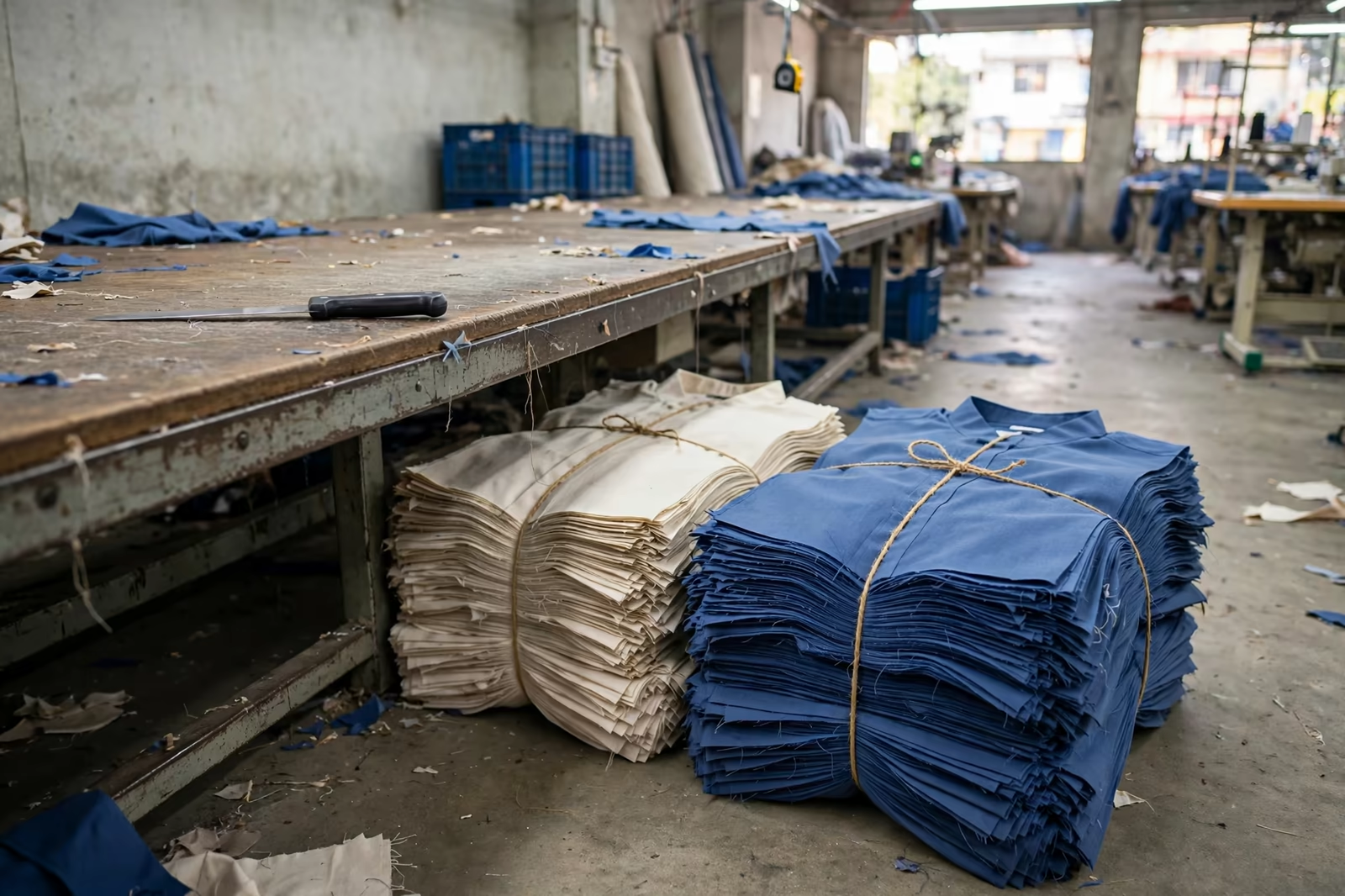
Once fabric is cut, the garment’s skeleton is fixed. Changes to construction, measurements and fabric are gone or ruinously expensive, while surface changes, print placement refinements, embroidery details, labels and packing, remain open. Cut panels wait for no one, but what is printed or sewn onto them can still move.
Once sewing is advanced, the open list shrinks to finishing and packing: labels can sometimes be replaced, polybag and carton arrangements can change, assortments can be reworked. After final inspection and packing, a change means opening cartons and unmaking finished work, and the honest answer is usually that the change belongs to the next order.
What a Change Actually Costs
The visible cost is materials: reprinted panels, new trims, reordered labels. The larger cost is usually time and sequence. A sewing line stopped for a change loses its rhythm and its place in the factory’s schedule; work rescheduled around it pushes other operations, and the recovery is measured in days of capacity, not hours of sewing.
Rework carries a quality cost too. Garments opened and remade are handled more, pressed more and inspected more, and each handling is a small risk. Factories price changes with this in mind, not from greed: a change that makes the order worse helps nobody, and a good merchandiser will say so with the arithmetic shown.
The cheapest change is the one requested in writing with its full specification attached, because ambiguity is billed invisibly. A vague change spawns samples, questions and wrong first attempts, each consuming the days the buyer was trying to save.
Who Pays, and Who Decides
The default is simple: a change the buyer requests after approval is the buyer’s cost, and a correction of the factory’s own error is the factory’s. The interesting cases live between, a specification that was ambiguous, an approval given against a sample that drifted, and those are settled by the quality of the paperwork both sides kept.
Decision rights matter as much as money. The factory should never apply a change on a junior contact’s say-so when the change moves price or date; the buyer should name who in their house can authorise a change, so a well-meaning email cannot accidentally re-engineer an order.
Both protections are cheap because they are procedural. The expensive version of every dispute is the one where nobody wrote anything down.
Changes That Are Usually Simple
Packing and assortment changes lead the easy list: ratio adjustments before packing, carton mark corrections, polybag swaps, hangtag replacements. They touch finished garments lightly or not at all, and their cost is mostly administrative plus materials.
Label and branding changes sit one step up: swapping a woven label after sewing is possible on many constructions at a visible per-piece cost, while printed neck labels can sometimes be overprinted or covered depending on the original. The earlier in sewing they land, the cheaper they are, which is why label artworks deserve their reputation as the most-checked file in the order.
Quantity shifts within agreed flexibility, and delivery splits, one part earlier by air, the rest by sea, are commercial changes more than technical ones. They rearrange schedules and freight rather than garments, and factories handle them routinely when the request comes with notice.
Changes That Are Hard or Impossible
Fabric changes after dyeing, or after cutting, head the hard list. A new colour means new fabric through the whole pipeline; a new fabric means new patterns, new shrinkage behaviour and a new approval cycle. Either converts the change into a new order wearing the old order’s paperwork.
Measurement and construction changes after cutting are similarly structural: panels exist, and their dimensions are the garment’s dimensions. A late fit correction is the classic heartbreak, because the buyer can see exactly what they want and the factory can see exactly why it cannot happen this time.
Compliance changes can be hard in a quieter way: a new test requirement late in production means finished garments going to a laboratory, with results arriving on the laboratory’s calendar. Possible, often; instant, never.
Splitting the Order: The Pragmatic Middle Way
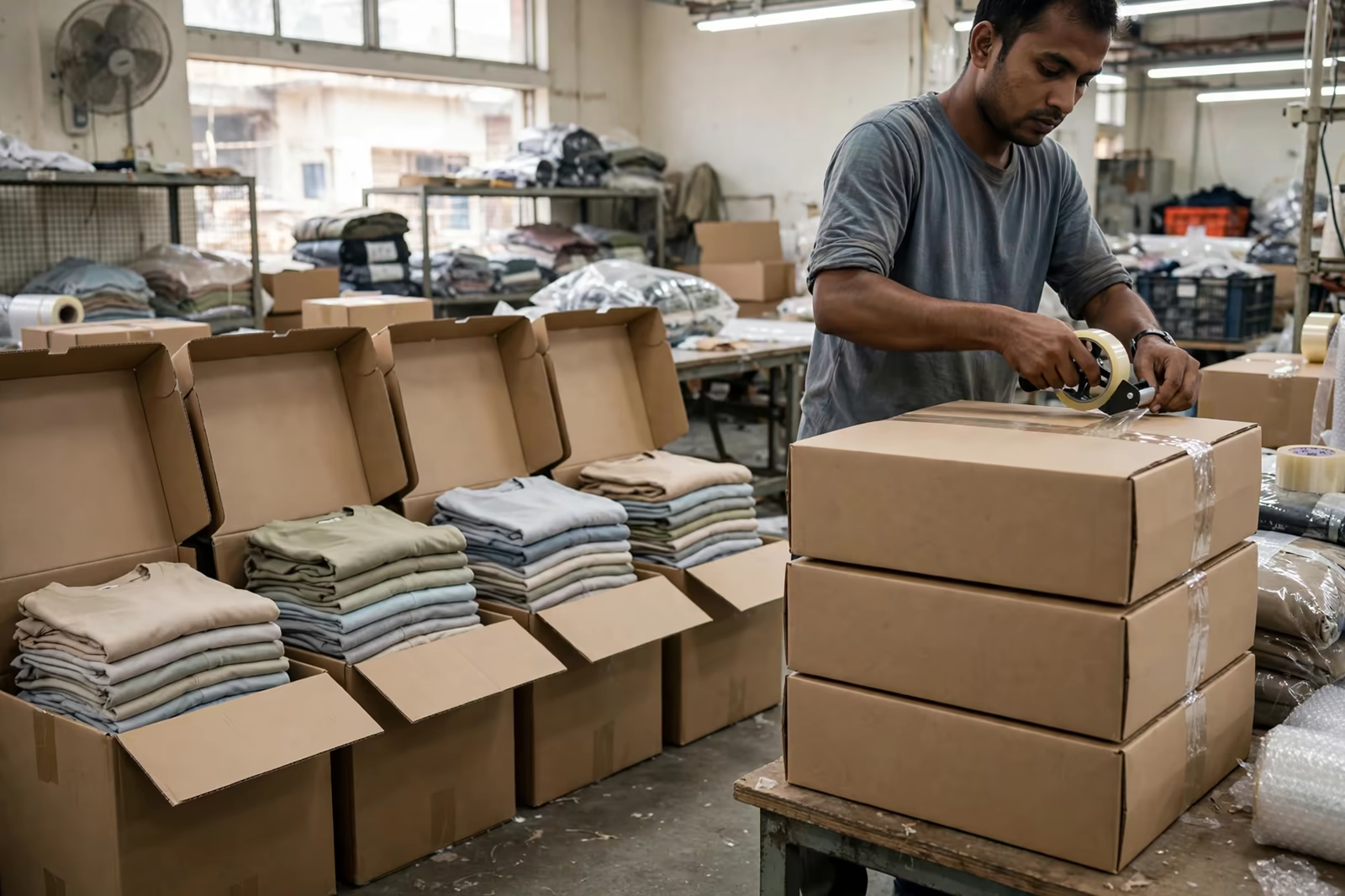
When a change matters deeply but time matters more, splitting the order often rescues both. Part of the quantity proceeds exactly as planned and ships on the original date; the changed part follows on a revised date with the amendment applied. The buyer serves their market without a gap, and the change gets the time it honestly needs.
Splits work best when decided early and drawn along clean lines, whole colours or whole size groups changed, the rest untouched, so packing, inspection and documents stay simple. A split invented at the carton stage, by contrast, creates two half-orders each too tangled to check calmly.
Freight follows the same logic: the urgent part can travel by air, the balance by sea, and the change’s true cost becomes visible as a freight difference the buyer can weigh against the commercial value of having it.
How a Professional Change Request Looks
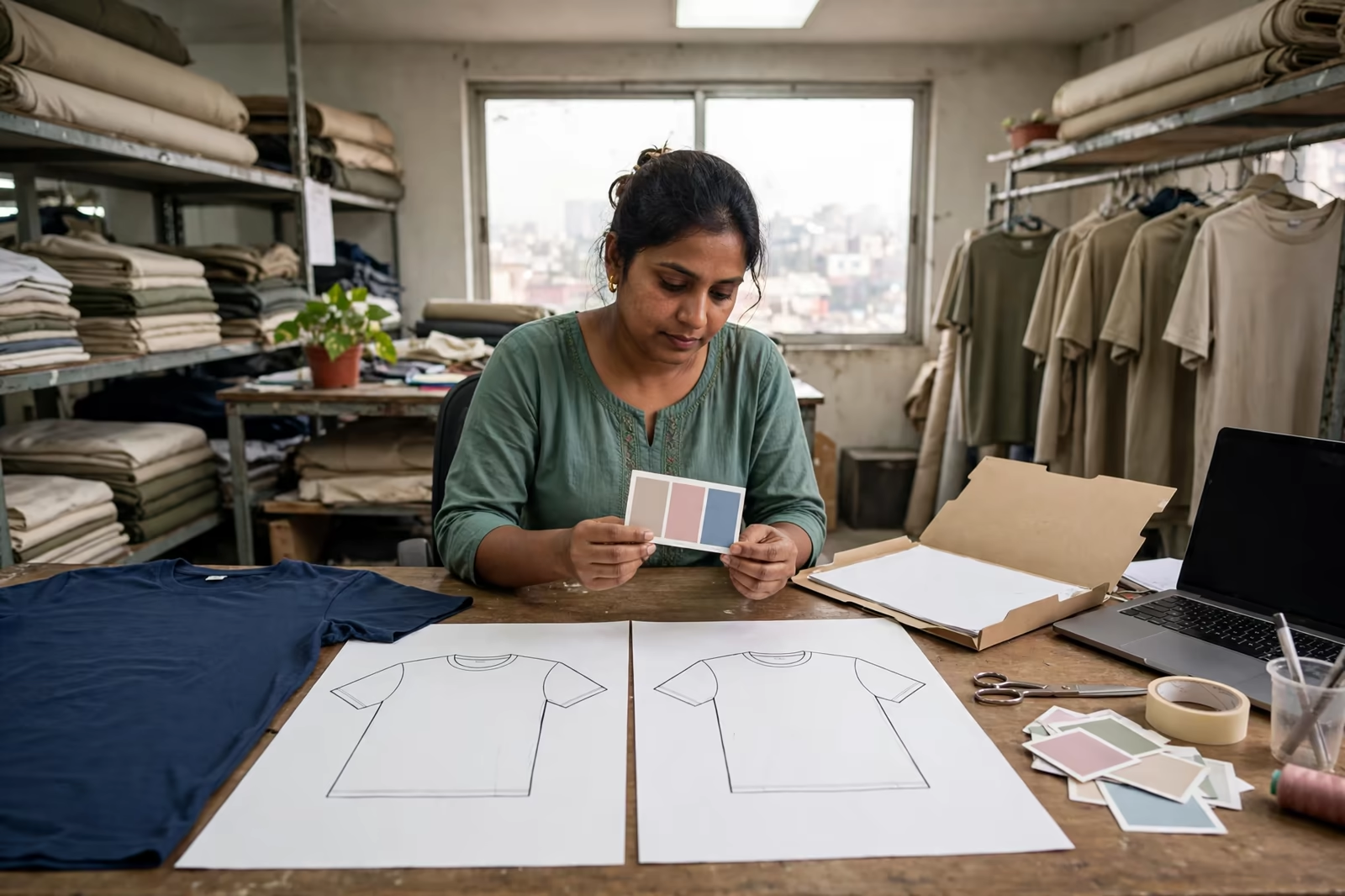
One document, one change, everything attached: the revised artwork or specification marked against the original, the sizes and colours it applies to, the reason in a line, and the question the buyer needs answered, cost and date effect, stated plainly. The factory confirms in writing what will change, what will not, and what it does to price and schedule, and production moves on the confirmation.
Version discipline is the whole game. The changed file gets a new version name and date, the old file is retired by name, and both sides confirm which version is live. Most change disasters are two versions circulating as equals, with the floor holding one and the office holding the other.
Small changes deserve the same paperwork at smaller scale. A verbal tweak agreed on a call and never written down has a half-life of about one shift change.
Protecting the Date When Changes Land
When a change threatens the ship date, the honest conversation happens immediately, with options rather than apologies: the change applied to part of the order and the balance shipped as planned; the change applied fully with a revised date; the shipment split so the buyer’s critical sizes travel first. Buyers choose well when the factory prices each option truthfully.
What no buyer should accept is silence. A factory that absorbs a change without reporting its date effect is not being helpful; it is deferring bad news to the week when nothing can be done about it. Status updates after a change should name the change’s effect until the order ships.
Regular buyers build change room into their calendars for exactly this reason, holding a little schedule slack on styles they know are volatile. The slack is not inefficiency; it is the premium on flexibility, paid in days instead of air freight.
Learning From Changes: The Post-Order Review
After shipment, the changes an order absorbed are worth ten minutes of review, because they diagnose the ordering process itself. A change caused by a late artwork points at the buyer’s approval calendar; a change caused by an ambiguous specification points at the tech pack; a change caused by the market points at nobody, and is simply priced into next season’s planning.
Factories keep their own tally for the same reason: repeated changes of one kind from many buyers signal a process worth redesigning, an approval stage worth adding, a question worth asking at the meeting instead of mid-line.
Buyers and factories that review together change less over time, not because they try less, but because each change teaches the system where its assumptions were fragile.
Frequently Asked Questions
Can I change the colour or artwork after production has started?
Often, yes, depending on the stage. Before cutting, artwork and shade changes within the prepared fabric are straightforward. After cutting, surface changes such as print artwork and placement may still be possible if printing has not run, while a colour change means new fabric and is effectively a new order. Ask with the current stage in mind and expect an honest answer tied to what has physically happened so far.
What will a mid-production change cost?
Materials for anything reprinted, remade or reordered, plus the schedule cost of stopping and restarting work around the change, plus rework and re-inspection where garments are opened or remade. A professional factory quotes the change in writing before applying it, showing its effect on both price and ship date, so the buyer decides with the full picture rather than discovering it in the final invoice.
Which changes are usually impossible late in production?
Fabric and colour changes after dyeing or cutting, measurement and construction changes after panels are cut, and anything requiring finished garments to be unmade. At that point the change belongs to the next order, and a factory saying so is protecting the buyer from paying heavily for a worse result. Packing, assortment and some labelling changes remain possible surprisingly late.
How should I send a change request?
In one written document: the revised file with changes marked against the original, a new version name and date, the sizes and colours affected, and a request for the cost and date effect in reply. Confirm the factory’s written summary before they proceed, and retire the old version by name on both sides. Verbal changes are where version chaos begins.