
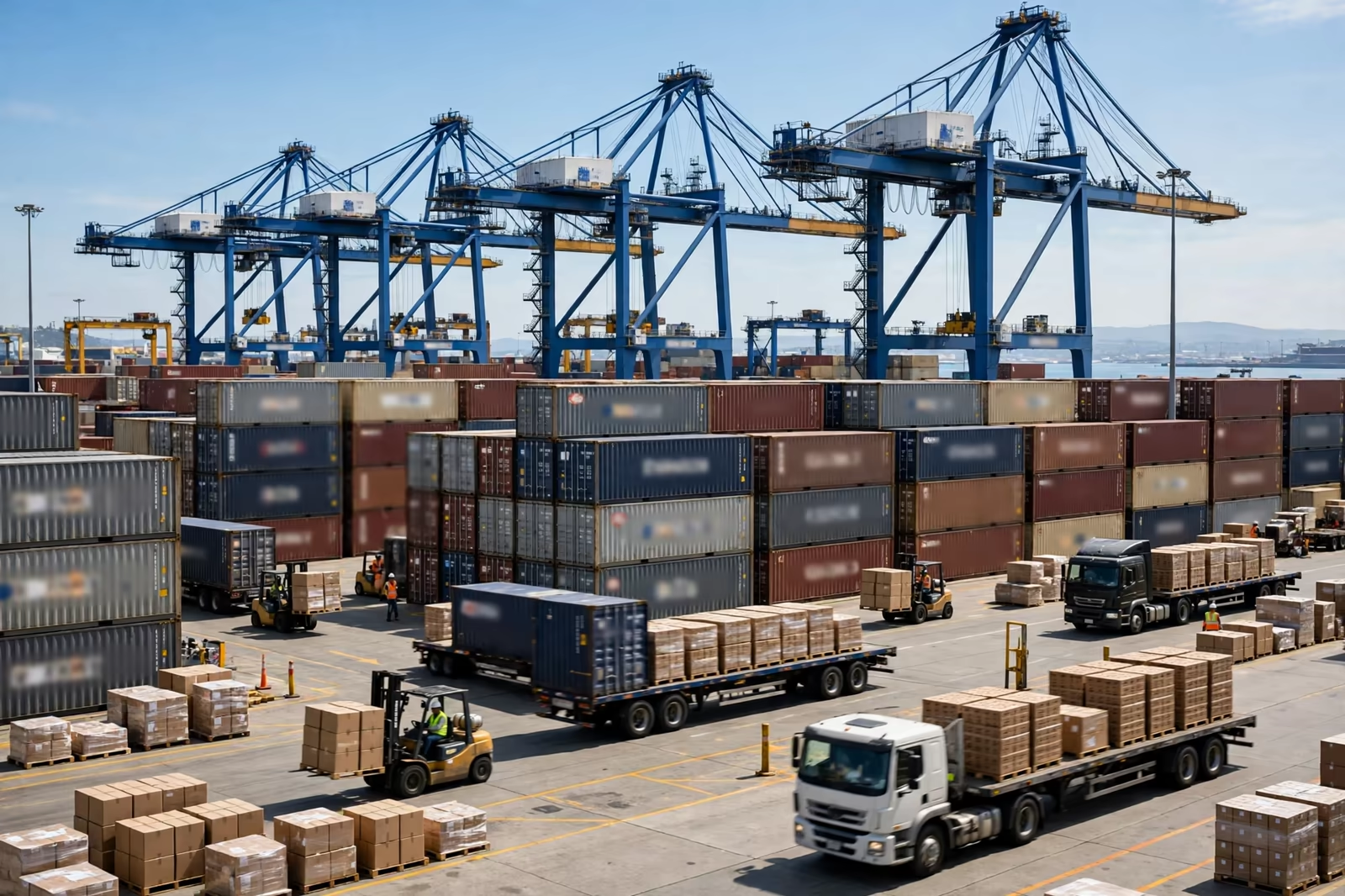
Your first clothing import from Bangladesh to the USA looks simpler from a distance than it feels at the desk: a price agreed, goods produced, a container on the water, and then a wall of American requirements you may not have met yet. This starter guide walks the whole route in order, so a first-time importer can plan each stage before it becomes urgent.
The sourcing teams behind this guide ship apparel from Bangladesh to buyers in the USA, the UK, Germany, Canada and Australia, with the USA among our largest routes. Nothing here replaces a licensed customs broker, whose role this guide will recommend early and often, but it will let you hold an informed conversation with one.
The route touches the regions on our market area page, the payment framework on our payment terms page, and the first step through our get a quote page.
Step One: Set Up as a US Importer
Before goods move, the importing business must exist in the eyes of US Customs and Border Protection. In practice that means a US business with its tax identification in place, since the importer of record carries legal responsibility for the shipment: its classification, its valuation, and its compliance with every rule that touches apparel.
Most first-time importers work through a licensed customs broker from the start. The broker files entries, advises on classification and flags problems while they are still cheap. A freight forwarder, separately, manages the physical movement; some firms offer both, and the distinction matters when something goes wrong.
Decide also who is importer of record if you buy through an agent or a trading company. The name on the entry owns the obligations, whatever the commercial arrangement says, so the structure should be chosen deliberately rather than discovered at the port.
Step Two: Classify Your Garments Correctly
Every garment enters the USA under a classification in the Harmonized Tariff Schedule, and the code decides the duty rate. Apparel classification turns on fibre content, construction, gender and garment type, knitted against woven, cotton against man-made fibre, and small specification choices can move a product between codes with different rates.
This is why the tech pack matters commercially as well as technically: the fibre composition you approve at sampling is the composition customs will test against. A fabric change late in production is also a classification event, and possibly a duty event.
Have your broker confirm classifications from your actual specifications before production, ideally from the approved sample. Rulings and broker advice obtained early are far cheaper than penalties, reclassification and back duties discovered across several shipments later.
Step Three: Understand Your Duty Position
Bangladeshi apparel enters the USA under standard tariff treatment; there is no general duty-free preference for Bangladeshi clothing, so the MFN rate for your classification is a real line in your landed cost. Rates vary sharply by garment and fibre, with man-made fibre apparel often carrying higher rates than cotton.
Because the rate follows the classification, the fabric decision and the duty decision are the same decision seen from two sides. A blend chosen for cost or performance may cost more at the border than it saved at the mill, which is why landed-cost modelling belongs before fabric approval, not after.
Tariff policy also moves. Programmes with long lives should be modelled with the rate in force and a sensitivity for change, and your broker should confirm the current position at each season rather than relying on an old spreadsheet.
Costs to Budget Beyond the Factory Price
First-time importers most often under-budget the route rather than the garment. The landed figure includes ocean freight, duty at your classification’s rate, brokerage and entry fees, port and terminal charges, inland delivery to your warehouse, inspection and testing costs, and a contingency for examination or delay.
None of these lines is exotic, but together they change which factory price is actually cheapest. A slightly higher unit price from a factory whose documents arrive perfect and whose packing matches its lists can land below a cheaper quote that generates brokerage queries, exam fees and storage.
Build the landed model before the order, with your broker’s and forwarder’s real charges in it, then reconcile after clearance. The second order’s model, built on reconciled numbers, is the first one you can fully trust.
Step Four: Meet the Labelling and Product Rules
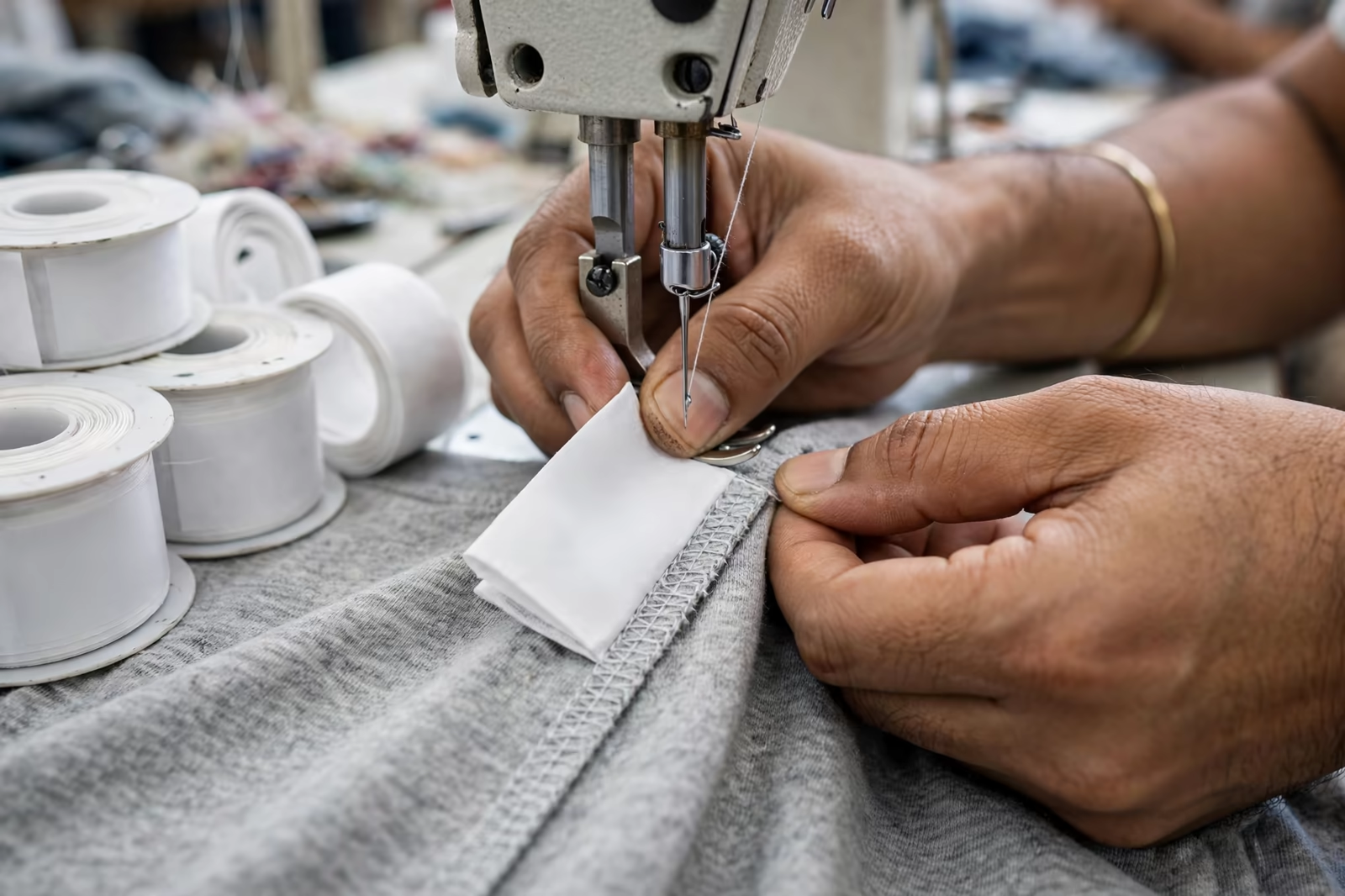
US apparel labelling is strict and specific. Garments generally must carry fibre content, country of origin, and the identity of the manufacturer or responsible company, typically through the registered identification system administered for textile labelling, plus care instructions under the care labelling rule. Origin marking must name Bangladesh clearly where the goods were made.
Children’s apparel adds a heavier layer: tracking labels, flammability standards, lead and phthalate limits, and children’s product certificates based on third-party testing by accepted laboratories. Adult apparel is lighter but still carries general conformity expectations and flammability compliance for relevant products.
Build these requirements into the order itself: label artwork, testing plan and certificates agreed with your factory before production, since a container cannot be relabelled at the port and a missing certificate can hold goods while storage charges grow.
Working With Your Factory on Compliance
None of these requirements should surprise a professional export factory. Bangladeshi exporters shipping to the USA handle origin marking, fibre and care labelling, and test documentation as routine order content, and your specification should list them as deliverables with the same status as the garments themselves.
Send label artwork and placement instructions with the tech pack, approve a labelled sample before bulk, and name the testing laboratory and standards in the purchase order. Factories respond to what is written; verbal understandings about compliance evaporate somewhere over the Pacific.
Where a requirement is new to a factory, treat the conversation as a capability test. A supplier who engages carefully and asks precise questions is showing you their quality culture; one who waves every requirement away is showing you something else.
Step Five: Agree Commercial Terms That Protect You
Your purchase terms with the factory decide who carries each risk on the route. The Incoterm chosen, FOB, CIF or another, allocates freight, insurance and the point where risk passes; the companion guide on this blog compares them in detail. For a first import, terms that keep responsibilities clear usually beat terms that merely look cheaper.
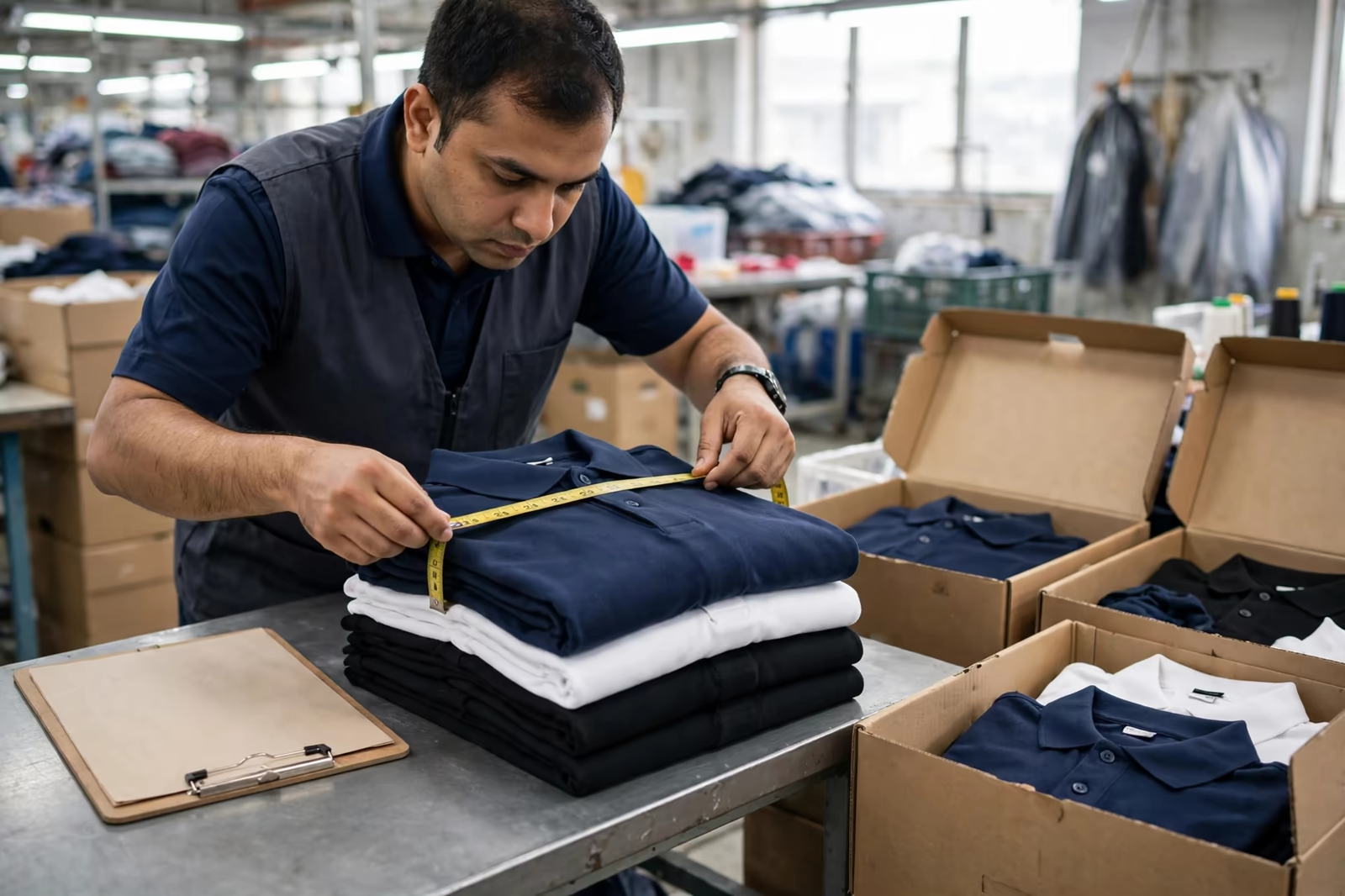
Payment structure follows trust in both directions: deposits, balances against documents, and inspection before final payment are the normal instruments, covered by our payment guidance. A pre-shipment inspection by your own appointed inspector is the first-time importer’s strongest single protection, verifying quantity, quality and packing before the goods are beyond reach.
Agree the document set in the same conversation: commercial invoice, packing list, bill of lading, origin evidence and any certificates, listed in the documents guide on this blog, so nothing is invented at shipping time.
Step Six: Ship, File and Clear
Ocean freight from Bangladesh to US ports is the standard route for apparel volume, with East and West Coast options balancing transit against inland cost to your warehouse. Air freight serves emergencies and samples, at prices that erase basics margins, so plan the programme on the ocean rhythm and keep air for rescue.
Before the vessel arrives, your broker files the entry with customs using the shipping documents, and security filing data for ocean cargo must be transmitted in advance of loading at origin, which your forwarder and broker coordinate. Accuracy here is everything: description, values, quantities and origin must agree across every document, because discrepancies are what customs examinations are made of.
Goods may be examined, and first-time importers should budget the possibility calmly rather than fear it. Clean documents, consistent values and a broker who answers quickly turn most examinations into a delay rather than a disaster.
Step Seven: After Clearance, Keep the File
Importing is a record-keeping business. US customs expects importers to retain entry records for years, and the same file, classifications, test reports, certificates, invoices, is what protects you in any later audit or question. Build the file as you go; reconstructing it later is painful and sometimes impossible.
Then close the loop commercially: reconcile landed cost against your model, garment by garment, including duty, freight, brokerage and any examination costs. First imports teach the true numbers; second programmes priced on those numbers are where importing becomes a system rather than an adventure.
Finally, review the factory relationship with the same honesty: communication, inspection results, document accuracy. A supplier whose paperwork is as good as their sewing is worth keeping close, because on this route the documents are half the product.
Planning the Order Calendar
Without pinning invented numbers to it, the calendar logic is fixed: sampling and approvals first, fabric and trims next, production and inspection after, then the ocean leg and clearance, with selling stock at the end. Each stage gates the next, and the stages owned by others, mills, inspection calendars, vessel schedules, do not compress because your launch date moved.
Work backwards from the selling date, giving every stage its honest room, and share that calendar with the factory, broker and forwarder as one document. Most first-import stress is calendar surprise rather than calendar length; a realistic plan shared early feels calm even when it is long.
Seasonal peaks, pre-holiday shipping surges and festival periods in Bangladesh belong in the same plan. Your broker and factory both know these rhythms; ask them to mark the calendar with you.
Frequently Asked Questions
Do I need a customs broker to import clothing into the USA?
Legally you may file your own entries, but practically a licensed customs broker is essential for apparel: classification, valuation, labelling rules and security filings all carry penalties for error. Brokers file the entry, advise on duty before you commit to fabrics, and handle examinations. Choose one experienced in apparel, and involve them at sampling stage rather than at the port.
Is there duty on clothing from Bangladesh to the USA?
Yes. Bangladeshi apparel enters under standard tariff treatment with no general duty-free programme for clothing, so the rate for your garment’s classification applies. Rates vary widely by fibre and construction, and man-made fibre garments often sit higher than cotton. Model the duty from your confirmed classification before approving fabric, since the fabric choice and the duty bill are directly connected.
What labels must garments carry for the US market?
Generally: fibre content, country of origin naming where the garment was made, the responsible company’s identification (commonly its registered RN), and care instructions. Children’s apparel adds tracking labels and safety certification requirements with third-party testing. Agree label artwork and testing with your factory before production, as corrections after shipping are expensive or impossible.
What is the most common first-import mistake?
Treating compliance as a shipping-week task. Classification, labelling, testing and document requirements all have to be built into the order before production, and discovering them at the port means holds, storage charges and sometimes refused entry. The second most common is skipping pre-shipment inspection, which is the cheapest insurance a first-time importer can buy.