
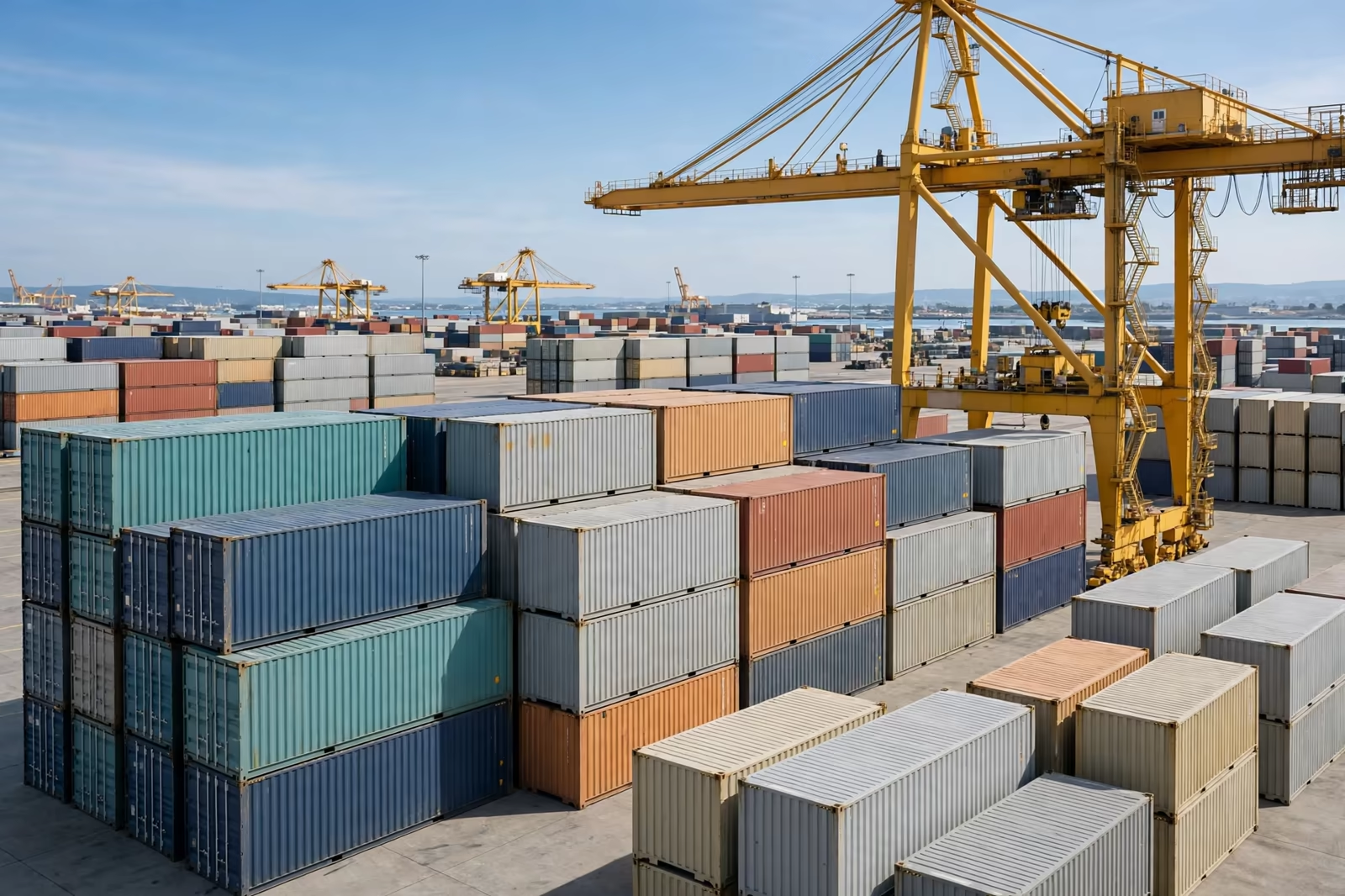
The factory price gets the attention, but the import bill is written by a crowd of smaller charges that nobody quoted and everybody pays. Demurrage while a container waits. Testing the buyer’s market demands. Rework when inspection finds what production missed. Each is modest alone.
Together they quietly rewrite the margin of a season. This guide names the hidden costs of apparel importing, explains where each one is born, and shows how buyers sourcing from a manufacturer in Bangladesh for the USA, the UK, Germany, Canada and Australia keep them small.
None of these costs is a scam, and none is unavoidable in full. They are what happens at the seams of the process, which is exactly why planning, not outrage, is the correct response to them.
Demurrage and Detention: Rent for Waiting
A shipping container is free to use for a limited window. Beyond it, the line charges demurrage for the box sitting at the port and detention for the box sitting with you, and both are priced per day at rates designed to hurt.
- Slow customs clearance is the most common trigger
- Documents arriving after the vessel start the clock before you can act
- Weekend and holiday arrivals compress the free window cruelly
- Congested ports and examinations add days nobody scheduled
- Returning the empty box late extends detention quietly
The defence is paperwork speed: documents prepared before sailing, a broker briefed before arrival, and collection booked before the free days begin. Demurrage is rarely a shipping failure. It is an administration failure with a daily rate.
Port Storage and Handling Surprises
Beside demurrage sits its quieter family: storage while goods wait inside the terminal, handling for inspections and examinations, and the small fees that attach to every movement of the box.
- Storage charges once the free period inside the terminal ends
- Examination fees when customs selects the shipment for inspection
- Handling and transport to the examination site and back
- Documentation amendment fees when papers need correction
- Weighing, sealing and re-sealing charges after any opening
Individually these read like rounding errors on an invoice. Across a year of shipments they are a budget line, and they cluster on exactly the shipments whose paperwork was weakest.

Testing: The Cost of Proving Compliance
Modern apparel markets require evidence: fibre content, colourfastness, flammability for certain categories, chemical restrictions for the European market and children’s product rules in the United States. Testing buys that evidence, and its cost belongs in the import budget from the first range plan.
- Laboratory fees per test, per colour and per fabric
- Retesting when a result fails and production is corrected
- Courier costs moving test specimens around the world
- Certification and documentation fees where schemes require them
- The production delay a failed result causes, priced in season time
Testing is cheapest when it is designed in: fabrics pre-tested at development, standards chosen before dyeing, and no surprises left for the pre-shipment stage. Buyers serving several markets should map the requirements on the market area page before the range is final, not after the goods are made.
Rework: Paying Twice for the Same Garment
When final inspection finds faults, the garments do not fix themselves. Rework means labour to unpick, repair, re-press and re-pack, a second inspection to prove the repair, and schedule time that production had already spent.
- Repair labour and the supervision it consumes
- Re-inspection fees, in-house or third-party
- Replacement trims, labels and packing consumed twice
- Partial re-production where repair is impossible
- The freight upgrade when rework pushes past the vessel
The cheapest rework is the kind designed out upstream: inline inspection that catches faults while they are cheap, and a specification clear enough that faults are rare. The remedies and responsibilities when goods genuinely fail belong in the open, on the return policy page, agreed before they are needed.
The Quiet Costs Nobody Invoices
Some hidden costs never appear on any document, which makes them the easiest to ignore and the hardest to recover. They are paid in time, attention and opportunity.
- Your team’s hours chasing documents, corrections and explanations
- Selling days lost while goods wait in ports and warehouses
- Discounting to move stock that arrived after its moment
- Air freight upgrades taken to rescue a launch date
- Customer compensation and goodwill gestures after late delivery
- Management attention diverted from the next range to this problem
A landed cost sheet that ignores these lines understates the true price of a sloppy shipment, which is why experienced buyers track them separately even when accounting cannot book them neatly.
Keeping the Hidden Costs Small
Every defence in this guide is a habit rather than a purchase, which is the good news: the importers who pay the least in hidden costs are not the largest, just the most systematic.
- Documents checked before sailing, broker briefed before arrival
- Testing designed into development, never discovered at shipment
- Inline quality control funded as insurance, not trimmed as overhead
- Shipment calendars that respect weekends, holidays and port reality
- Payment stages that keep everyone motivated to finish cleanly, per the payment terms
- A post-shipment review that prices every surprise and updates the plan
Hidden costs shrink under light. The buyer who names them, budgets a contingency for them and reviews them after every shipment watches them fall season by season, because each one has an owner and a cause, and causes can be removed. That is the entire method, and it compounds quietly in the buyer’s favour every single season that follows.
The Shipment That Ate Its Margin
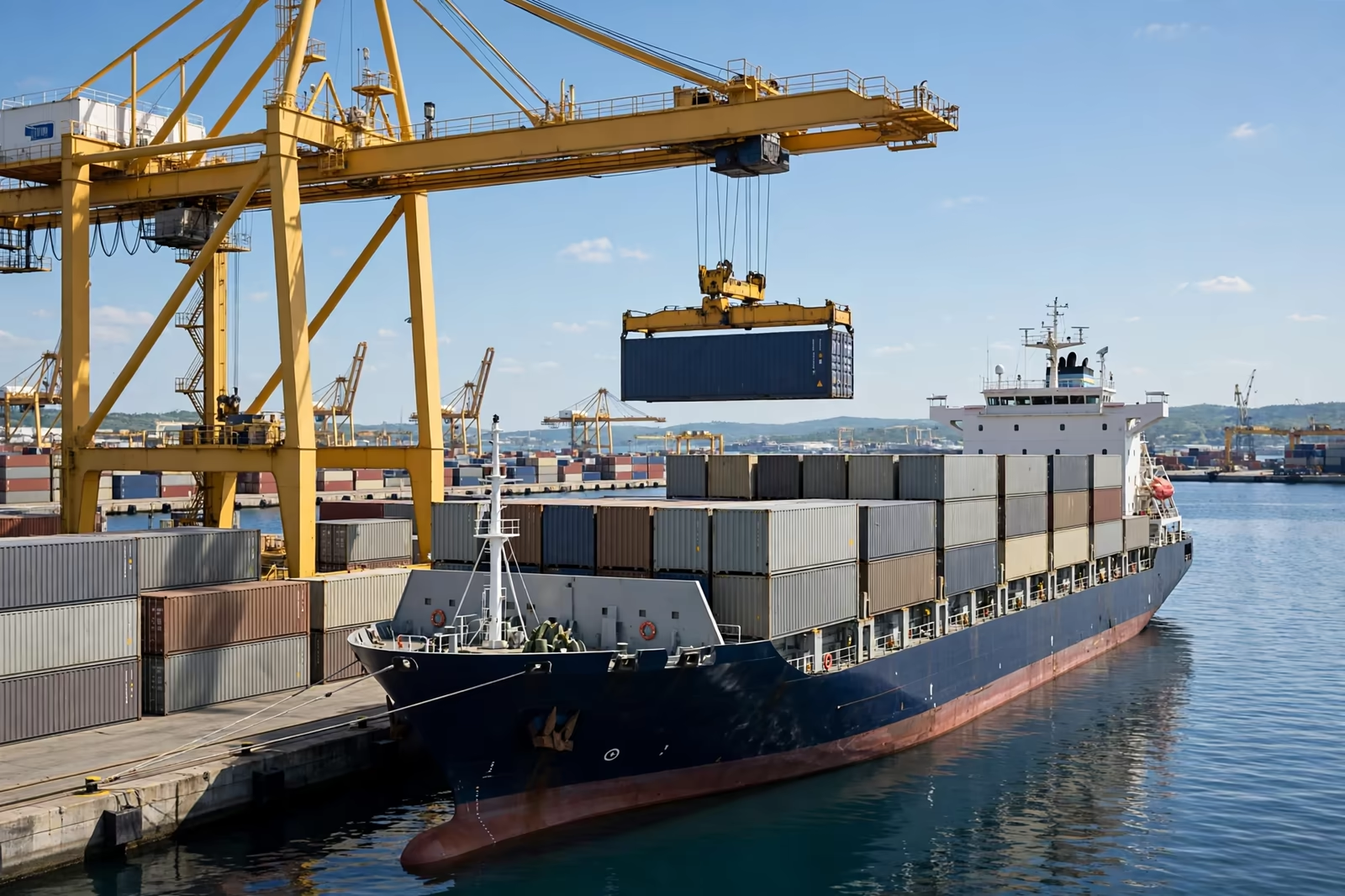
Follow one ordinary shipment through a bad month. The goods are good; the inspection passed; the vessel sailed. Then the paperwork reached the destination broker two days after the container did, because nobody checked the document set before departure. Clearance waited on a corrected certificate while the free days burned.
Storage and demurrage began together, joined by an examination the customs system selected at random, with its handling fees and its extra days. By release, the launch date the range was bought for had passed by enough that the buyer discounted the opening week to recover momentum. No single charge was dramatic. Added together they consumed the margin the range was priced to earn, and every one of them traces back to administration, timing and inspection habits rather than to the garments themselves.
The buyer in that story did the most valuable thing available afterwards: the costs were written down, priced and assigned causes in a short review, and the next shipment ran a document checklist that cost nothing and saved the entire pattern from repeating. That review is the difference between a hidden cost and a tuition fee.
Settling Who Pays Before It Happens
Hidden costs become disputes when nobody agreed in advance which side carries them. The professional pattern is boring and effective: the common surprises are listed in the order terms with an owner attached to each, so the bad week produces invoices nobody argues about.
- Testing arranged by the buyer is the buyer’s cost, agreed at ordering
- Rework for production faults is the factory’s responsibility, stated plainly
- Demurrage follows its cause: late documents or late collection
- Examination costs sit with the importer under most trade terms
- Rescue freight is negotiated case by case, before it is booked
- Our standard minimum of 1,200 pieces per style in up to two colours keeps these shipment-level costs spread thin per garment
An order that carries this page of agreements rarely needs it. The clarity itself changes behaviour: documents get checked, inspections get funded, and the surprises that remain are the genuinely random ones no contract can prevent.
A Simple Audit After Every Shipment
The importers who tame these costs run one unglamorous ritual: when a shipment closes, they price its surprises. Fifteen minutes with the invoices, comparing what the shipment was supposed to cost with what it cost, turns anecdotes into a pattern nobody can argue with.
- Total the demurrage, storage and examination charges, with causes noted
- Total testing spend, including every retest and courier
- Total rework and rescue costs, and the stage each was born at
- Record the selling days lost to late arrival, honestly estimated
- Assign each surprise an owner and a fix before the next order
- Roll the pattern into the contingency line of the next budget
Two or three cycles of this audit change a business. The fixes it demands are almost embarrassingly practical: a document checklist, a broker briefed earlier, a test moved into development, an inspection funded properly. None of them requires a new supplier, a new system or a new anything, except the habit of looking.
Insurance Gaps and Other Small Print
The final family of hidden costs lives in documents buyers sign without reading closely. Cargo insurance that covers less than the goods are worth, warehouse terms that begin charging before goods can be collected, and forwarder conditions that cap liability far below the shipment’s value all wait quietly for the one bad day that reveals them.
- Insure for the full replacement value, not the invoice minimum
- Check what the policy excludes: water damage, theft, delay itself
- Read the forwarder’s liability cap before the goods are worth more than it
- Confirm who arranges cover under your trade basis, and see the certificate
- Keep photographs and packing records; claims are won on evidence
None of this is pessimism. It is the recognition that a shipment concentrates a season of work and money into a steel box, and the small print around that box deserves the same care as the garments inside it.
Frequently Asked Questions
What is demurrage, in plain terms?
Rent charged by the shipping line when its container stays at the port beyond the free days allowed. It runs per day, it grows quickly, and it is usually caused by slow clearance or late documents rather than by the shipping itself. Fast paperwork is the entire defence.
Who pays for product testing on my imports?
Normally the buyer, because the tests prove compliance in the buyer’s market to the buyer’s standard. What matters is agreeing the test plan, the laboratory and the cost inside the order from the start, and designing fabrics that pass at development stage rather than discovering failures at shipment.
Can rework costs be avoided completely?
Not entirely, because honest production always finds some faults. They can be made small and rare: clear specifications, inline inspection while faults are cheap to fix, and realistic schedules that leave room to repair properly. Avoided completely is a promise; reduced systematically is a method.
How large a contingency should I hold for hidden costs?
Build it from your own shipment history rather than from a rule of thumb: track what demurrage, testing, rework and rescue freight actually cost across recent shipments, and hold that pattern as the allowance. New importers should hold a generous line and let experience trim it.