
Every professional garment quotation carries an expiry date, and buyers occasionally read it as a sales tactic: decide now or lose the price. Sometimes it is pressure.
Far more often it is arithmetic. A quote is built on yarn, fabric, dye and freight prices that move with global markets, and a factory that promises a number forever is promising something it does not control. This guide explains why quotes expire, what fabric booking actually does, and how buyers sourcing from a manufacturer in Bangladesh for the USA, the UK, Germany, Canada and Australia can use validity periods intelligently.
Understanding validity changes the buyer’s behaviour in one useful way: decisions get made inside the window where the price is real, and fabric gets booked while the number still means something.
What a Quotation Is Standing On
A garment price looks solid and is anything but. Underneath the single figure sits a stack of market prices, each with its own weather, and the quotation inherits all of their movement.
- Yarn prices, following fibre markets that move season by season
- Greige fabric and knitting capacity, priced by mills on current demand
- Dyestuffs and chemicals, which follow energy and commodity costs
- Trims and accessories bought from third-party suppliers
- Freight rates, the most volatile line in the whole stack
- Currency, where factory costs and export prices use different money
The factory controls its making cost and its margin. It controls none of the list above, which is why honest quotations name the period for which the assembled stack can be held.
What Fabric Booking Actually Means
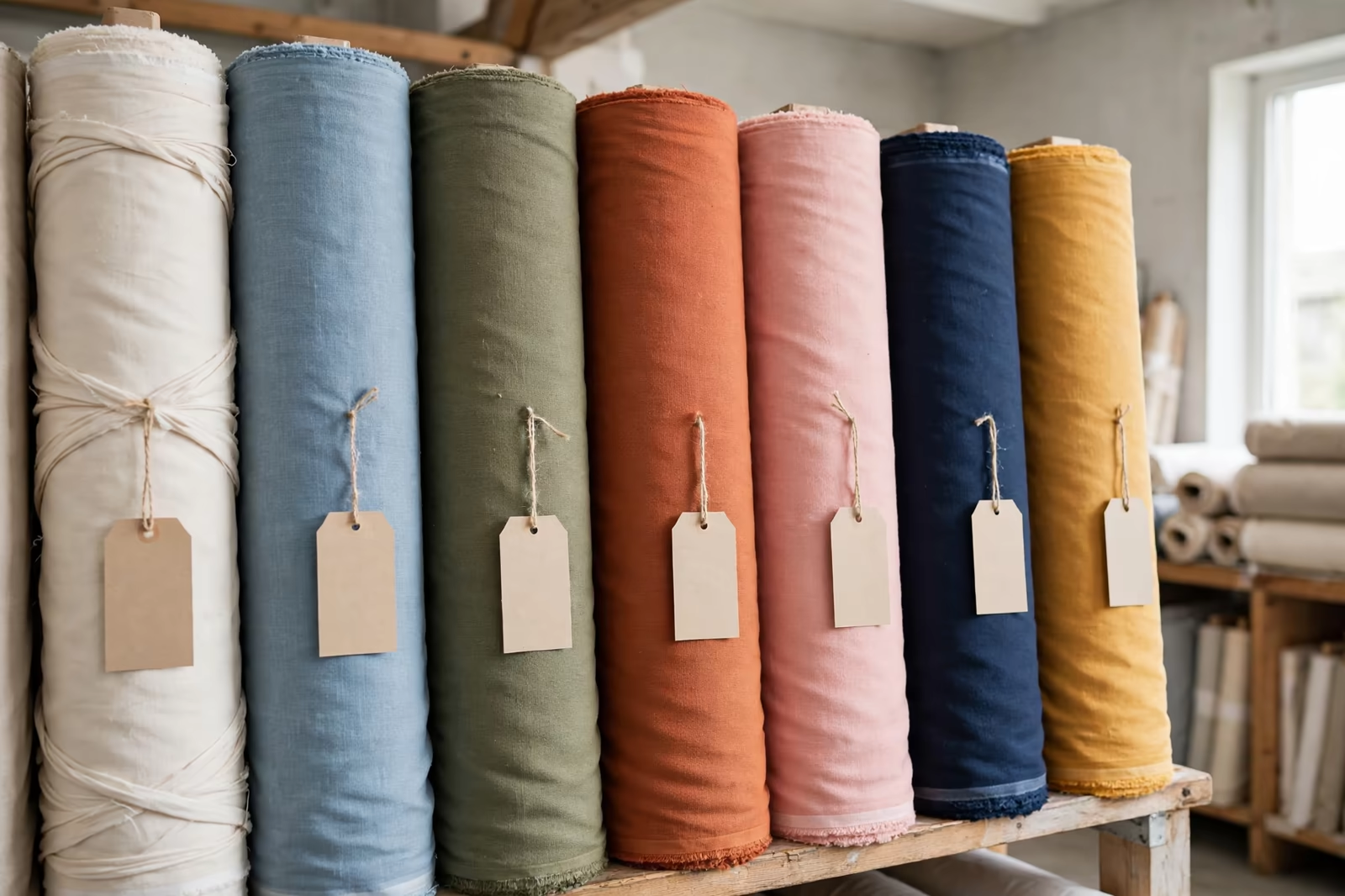
When an order is confirmed, the factory does not simply note it in a diary. It books fabric: reserving or buying the yarn and cloth for your specification at the prices the quotation assumed. Booking converts a floating market price into a committed cost, and it is the moment the quoted price becomes physically real.
- Yarn or greige fabric is reserved with the mill against your order
- Dyeing capacity is scheduled for your colours
- The mill holds the price because the factory has committed to it
- Unbooked fabric stays exposed to whatever the market does next
- Late confirmation can mean rebooking at a different price entirely
This is the transaction hidden inside the phrase “price valid until”. Accept inside validity and the factory books at the assumed prices. Accept after it and the factory must ask the market again, and the market answers for itself.
Why Validity Periods Differ
Buyers notice that one factory offers a longer validity than another and read confidence into it. The difference usually reflects how the factory works rather than how brave it feels.
- Factories holding yarn or fabric stock can hold prices longer
- Factories buying everything per order inherit the mills’ shorter windows
- Standard fabrics in running colours carry longer validity than specials
- Calm markets stretch validity; volatile markets compress it for everyone
- A very long validity on a volatile specification deserves a question, not gratitude
The right response to any validity period is the same: note it, plan the decision inside it, and treat expiry as a repricing event rather than a betrayal.

What Happens When a Quote Expires
Expiry does not void the relationship or even, usually, the price. It reopens the stack for checking. The factory re-prices the moving lines against the current market and confirms what has changed, line by line if it works professionally.
- Stable lines are confirmed unchanged, which is most of them most seasons
- Moved lines are repriced and the reason is visible
- The garment, specification and terms stay exactly as agreed
- The buyer can accept, adjust the specification, or walk away cleanly
- Nothing has been produced and nothing is owed on either side
Compare that with the alternative some buyers demand: an undated price. Factories that grant it protect themselves the only way they can, by loading the quotation against every future movement, which means the buyer pays for volatility that may never happen.
Seen clearly, expiry is a favour the honest factory does the buyer: it refuses to hide market risk inside the price, and instead shows the risk openly with a date on it. Buyers are then free to manage the risk with speed, deposits and booking, the tools this guide has described, rather than paying a stranger to absorb it blind.
Using Validity Like a Professional
Validity periods reward organised buyers and tax hesitant ones, which is a fair description of most of sourcing. The habits below convert expiry from a pressure point into a planning tool.
- Diarise the expiry the day the quote arrives, not the day it lapses
- Run internal approvals in parallel instead of in sequence
- Ask what the factory needs to hold the price: deposit, confirmation, booking
- Confirm inside validity when the price matters more than the delay
- If you must miss it, tell the factory early; silence helps nobody
- Keep the specification stable across the expiry so repricing stays simple
The payment mechanics that lock an acceptance sit on the payment terms page, and the contract frame on the terms and conditions page. Read together, they show how a quotation becomes an order: decision, deposit, booking, production.
The Season-Level View
Zoom out and validity explains a pattern buyers feel every year: prices firm as the season’s capacity fills and fibre markets tighten, and soften when mills and lines are hungry. The buyer who places core orders early, while fabric books cheaply and windows are generous, is not lucky.
They are simply shopping when the stack underneath the price is calm. Our standard minimum of 1,200 pieces per style in up to two colours is part of that calm: a bookable, plannable quantity that mills and lines can commit to without hedging.
When you request a quotation, through get a quote or any other route, ask for its validity in the same breath as its price. A number without a date is only half a quotation, and the missing half is the one that decides when you must move. Plan your decision around it from the day the quotation lands on your desk.
The Mill’s Side of the Window
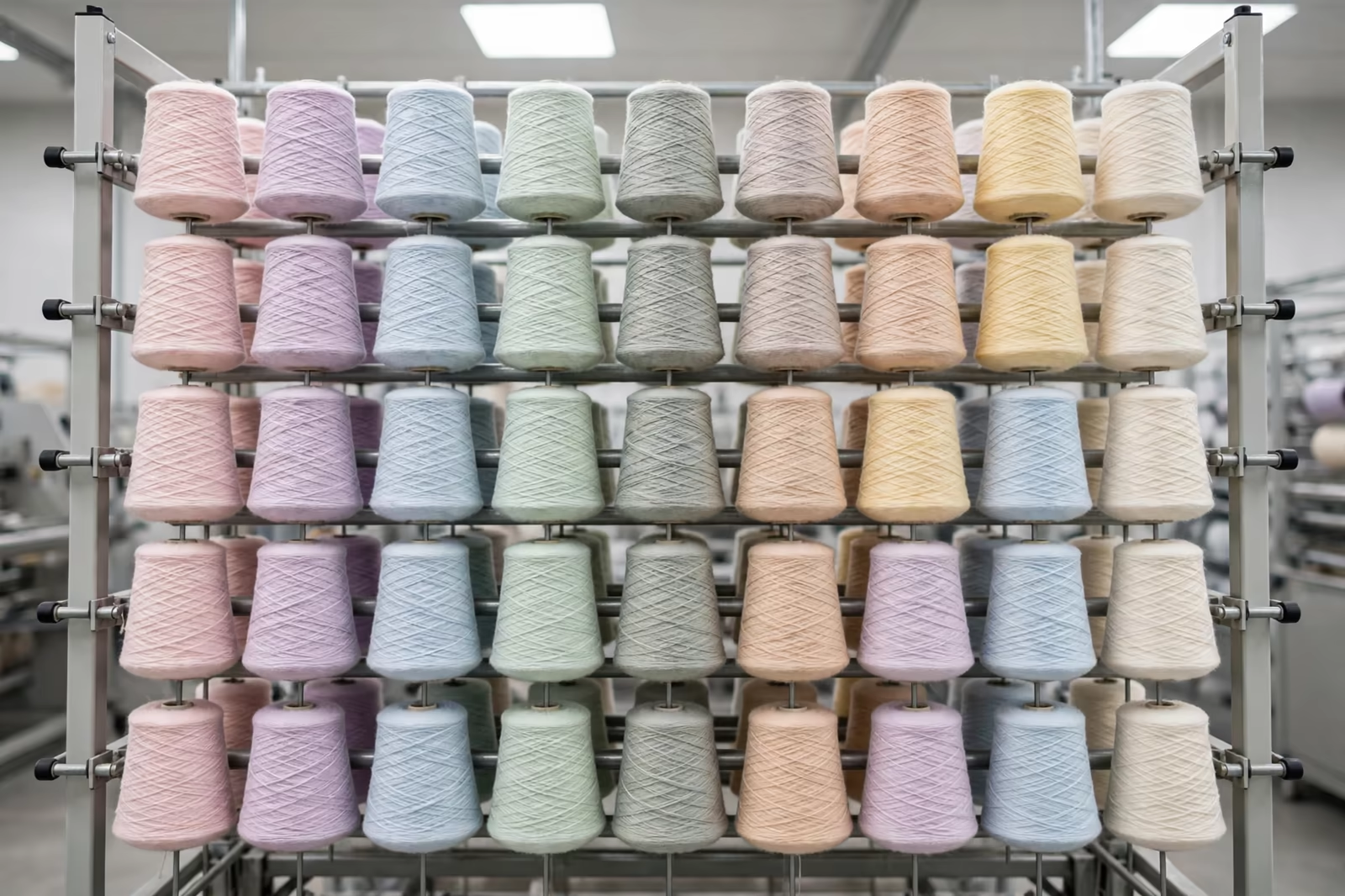
Validity is not invented by the garment factory; it is inherited. Mills quote yarn and fabric to factories on their own validity periods, dyers hold chemical prices on theirs, and the garment quotation a buyer receives is the shortest of several windows stacked behind it.
- The mill’s yarn validity sets the outer limit for the fabric price
- Dyeing and finishing hold their own shorter windows inside it
- A factory quoting beyond its suppliers’ windows is gambling, not serving
- When mills extend, factories can extend; when mills close, everyone closes
- Booking early in the chain protects every link below it
Seeing validity as a chain rather than a tactic changes how buyers respond to it. The factory passing you a deadline is usually passing you the market’s deadline, and the correct answer is speed where it matters, not suspicion.
An Expiry, Handled Well and Badly
Two buyers receive the same quotation on the same week. The first runs it through a sequential approval chain, each desk holding it for days, and returns after expiry to find the fabric line repriced upwards. The season’s margin conversation becomes an argument about who sat on the email.
The second buyer approves in parallel, confirms inside the window with the deposit the terms require, and watches the factory book fabric at the assumed prices the same week. Her garments arrive at the quoted cost, and her only memory of validity is a diary note that did its job. The market treated both buyers identically. Their processes decided everything.
Negotiating Validity Itself
Validity can be discussed like any other term, and buyers who treat it as a shared problem rather than a threat usually leave with a better arrangement than buyers who ignore it until it lapses.
- Ask what the window depends on, and which line expires first
- Offer the deposit earlier in exchange for a longer hold
- Split the order: book the standard colours now, decide specials later
- Agree the reprice method in advance if the window is missed
- Put the agreed dates in the order confirmation, not in email memory
Notice that every one of these gives the factory something real, commitment, cash flow or a smaller risk, in exchange for time. That is the same principle as every good lever in sourcing: time, like money, is traded, never simply demanded.
Validity Flows Downhill to Your Customers
The last thing to understand about expiry is that it does not stop with you. The price you quote your own customers, your retail ticket, your contract rate, your event merchandise price, is built on the factory’s number, so the factory’s window becomes your window whether you pass it on or not.
- Quote your customers inside the factory’s validity, with margin for your process
- Never promise a downstream price beyond the upstream window that funds it
- Build reprice language into long-running supply agreements honestly
- Book fabric for confirmed downstream orders before promoting new ones
- Teach your sales team what the date on the quotation actually means
Businesses that manage this chain calmly look reliable to everyone in it: factories trust their confirmations, customers trust their prices, and the occasional reprice, explained early and evidenced line by line, damages nothing. The date on the quotation is not the enemy of the relationship. It is one of its load-bearing walls.
Frequently Asked Questions
How long is a garment quote normally valid?
It varies with the factory, the fabric and the market’s mood, from short windows in volatile periods to longer ones on standard fabrics in calm seasons. What matters is that the period is stated on the quotation and that your decision process is planned inside it, with approvals, deposit and booking all sequenced before the date arrives.
Can a factory extend a quote’s validity?
Often, yes, especially when little has moved in the underlying markets or when a deposit allows the fabric to be booked and the price physically secured. Ask before the expiry rather than after it, and expect the answer to depend on the mills’ position, not on goodwill alone.
Does accepting a quote lock the factory’s price completely?
Acceptance together with the agreed deposit and fabric booking is what locks it: the factory commits to mills at the assumed prices, and the quotation becomes a contract. A verbal yes without the booking steps leaves the stack floating, which is why the sequence matters.
Why did my reprice change only the fabric line?
Because fabric is the line the market moves most, while making, trims and margin stay stable across a season. A reprice that isolates the moved line and explains it is the sign of a factory costing honestly, separating what it controls from what it merely passes through.