

Most trade schemes give with one hand and hedge with the other: a percentage off here, an exclusion there. Everything But Arms is the exception that built an industry. It is the European Union’s arrangement for the world’s least-developed countries, and for apparel from Bangladesh it removes the import duty entirely. This guide explains how it works, what it demands, and why it shapes so much of Europe’s clothing sourcing.
The sourcing teams behind this guide produce apparel in Bangladesh for buyers in Germany, France, the UK, the USA, Canada and Australia, and Everything But Arms sits underneath a large share of the European programmes we run. Its mechanics are worth understanding precisely, because the benefit is automatic only when its conditions are respected.
The guide connects to the regions on our market area page, the company background on our about us page, and the first step through our get a quote page.
What Everything But Arms Is
Everything But Arms, usually shortened to EBA, is the deepest tier of the EU’s Generalised Scheme of Preferences. It was created to give the countries on the United Nations list of least-developed countries duty-free and quota-free access to the EU market for everything except arms and armaments, exactly as the name says.
For apparel the effect is total: where a standard supplier country pays the EU’s normal tariff on a shirt or a hoodie, a qualifying least-developed country pays nothing. There is no quota ceiling on the arrangement and no gradual percentage phase-in for clothing; the line is either inside the preference or outside it.
Bangladesh is one of the scheme’s largest beneficiaries, and the European clothing trade is its clearest success story: whole retail categories in Europe are built on Bangladeshi production economics that the duty saving completes.
Who Qualifies and Who Does Not
Eligibility follows the UN’s least-developed country list, a defined set of the world’s poorest economies reviewed on income, human development and vulnerability criteria. Countries enter and leave that list over time, and the scheme follows it: membership of the list is the entry ticket, graduation the exit path discussed later in this guide.
Not every beneficiary uses the scheme equally. Apparel powers like Bangladesh and Cambodia built export industries on it, while others export little clothing at all. For buyers, the list explains why two countries with similar wages can face entirely different duty treatment at the EU border.
Products, not just countries, must qualify: each shipment must meet its category’s origin rule, which is where the next sections focus.
Why It Matters So Much for Clothing
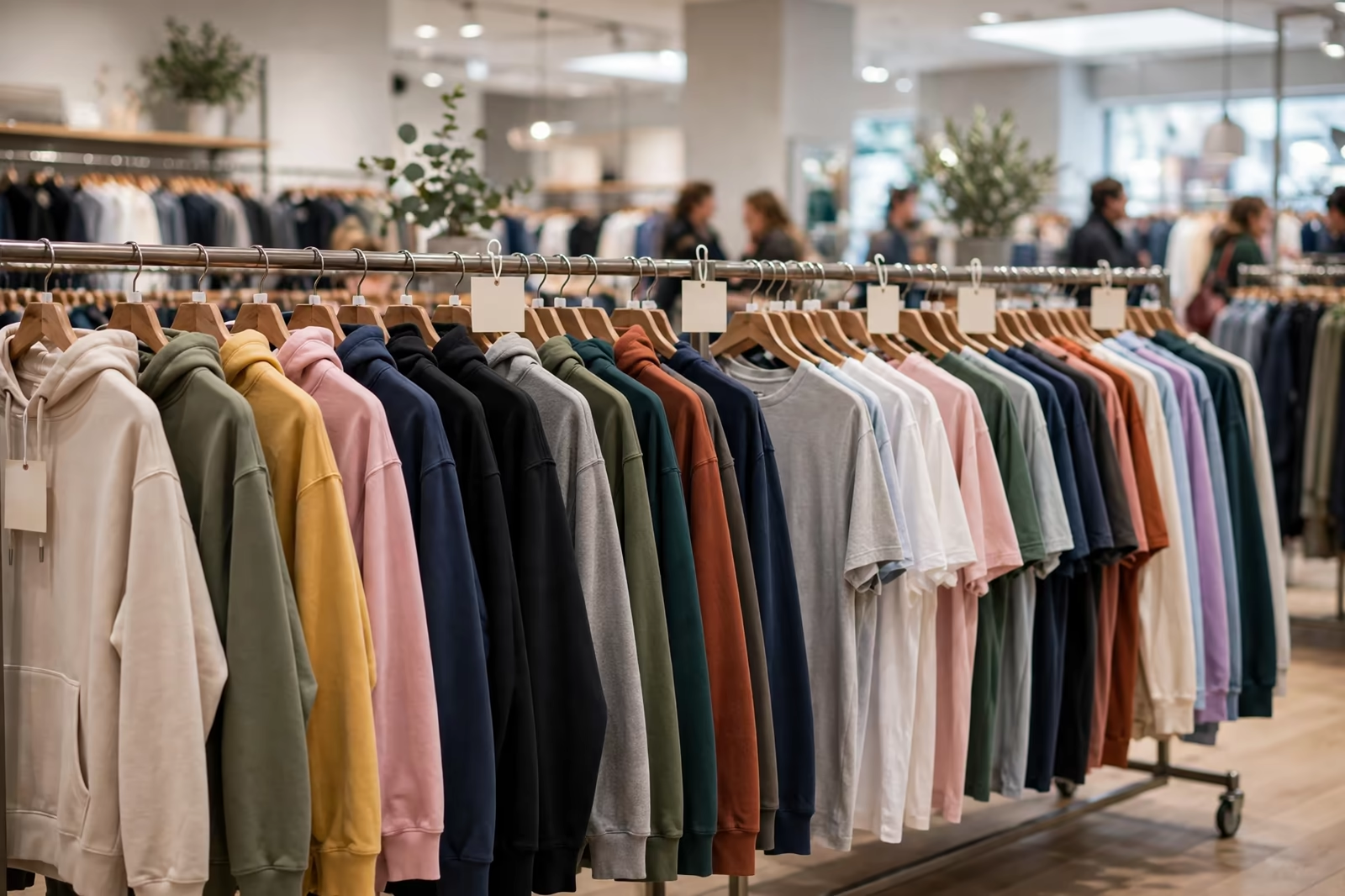
Clothing is unusual among traded goods because its standard tariffs remain meaningful. On many apparel lines the EU’s normal rate is high enough that removing it changes the ranking of supplier countries by itself, before wages, freight or fabric are even compared.
Imagine two identical programmes with the same factory economics. The one entering duty-free lands cheaper by roughly the tariff margin, season after season. Retailers and brands price that saving into their ranges, promote around it, and build supplier relationships on top of it. That is why sourcing maps for Europe look the way they do.
The saving also buys resilience: when freight spikes or currencies move, the duty headroom absorbs shocks that would otherwise break a programme’s price architecture. European buyers treat EBA as a structural feature of their Bangladesh sourcing, not a promotion.
The Condition: Rules of Origin
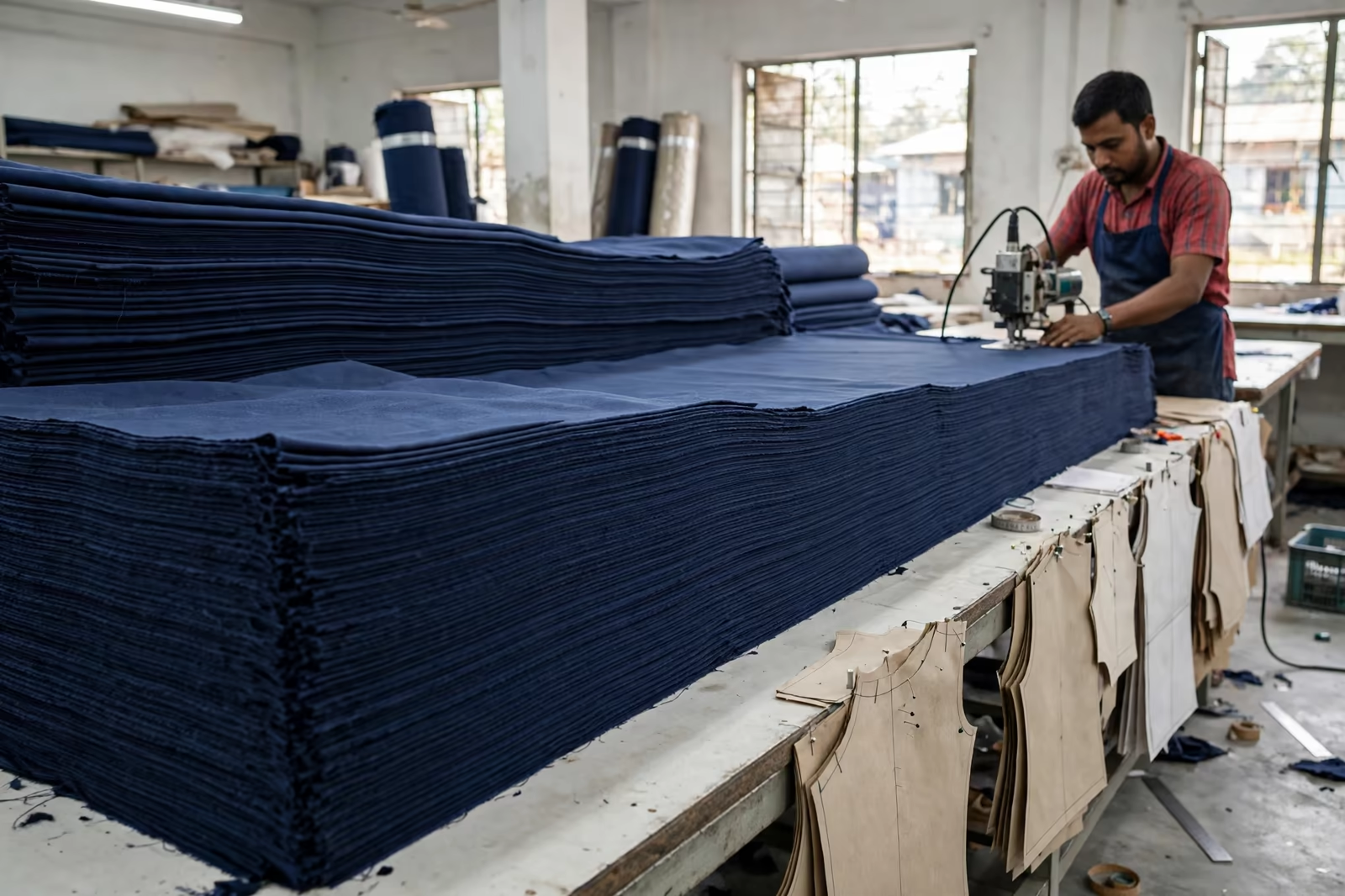
The preference is earned by origin, not by the flag on the invoice. EU rules of origin for apparel generally require substantial transformation in the beneficiary country, for garments typically the making-up from fabric with conditions on where processes occur. Bangladeshi factories perform the cutting, sewing and finishing that form the core of these rules as their daily work.
Evidence travels with the goods: the exporter registers and issues origin statements through the EU’s registered exporter system, REX, and those statements support the importer’s preference claim at the EU border. The factory’s registration and the accuracy of its statements are therefore commercial assets, not back-office detail.
Buyers should confirm the origin paperwork flow at order stage: who issues the statement, on which documents it appears, and how copies reach the broker before arrival. A preference lost to a missing statement is duty paid for a paperwork gap, the most avoidable cost in importing.
The Fabric Question Inside the Origin Rules
Apparel origin rules were once a barrier in themselves, demanding that both fabric and garment be produced in the beneficiary country. The rules were reformed to fit how the industry actually works: for least-developed countries, making the garment from fabric, the cutting, sewing and finishing stage, generally confers origin, whether the fabric is woven at home or imported.
That single change explains much of Bangladesh’s European success, because it lets factories combine imported specialist fabrics with domestic making, exactly the structure of a modern cut-and-sew programme. The garment is Bangladeshi by manufacture, and the duty treatment follows.
Buyers specifying imported fabrics for design reasons do not break the preference by that choice alone, but the origin rule for the exact product should still be confirmed with the broker, since categories carry their own wording.
How the Claim Works at the Border
At import, the buyer’s customs broker declares the goods with their commodity code and claims the EBA preference against the origin statement. Customs may verify claims, during or after clearance, and the importer must be able to produce the evidence and the underlying records when asked.
Verification can reach back to the exporter, which is why serious factories keep origin files as carefully as quality files: fabric sources, production records and statements reconciled to shipments. A buyer auditing a new supplier does well to ask how origin evidence is stored; the answer predicts how the claim will survive scrutiny.
Where origin cannot be shown, the standard tariff applies and can be assessed retrospectively across shipments. The economics of the scheme reward tidy administration on both sides of the water.
Graduation: The Future Everyone Is Watching
Bangladesh is scheduled to graduate from the UN least-developed country list, and graduation eventually ends EBA eligibility. The EU has built in a transition: after graduation takes effect, the preferential treatment continues for a further transition period, giving trade time to adjust. On current timelines, EBA treatment for Bangladesh runs into the later part of this decade.
Beyond that horizon, the conversation turns to the EU’s GSP+ arrangement, which offers deep preferences to countries meeting its governance and convention conditions, and which Bangladesh has publicly positioned itself to seek. Whether and when that succeeds is a policy question no supplier can guarantee today.
Prudent buyers treat the timeline as a planning input rather than a cliff: programmes modelled on today’s access, relationships built on production merit, and periodic reviews as the policy picture firms up. The factories investing now, in fabric depth and technical range, are preparing for exactly that more competitive future.
EBA Beside the Other Schemes
Buyers comparing regions meet several preference systems at once. The UK’s DCTS gives Bangladeshi goods a parallel duty-free route into Britain, explained in our UK importing guide. The USA, by contrast, offers no apparel preference for Bangladesh at all, which is why the same garment can be a European programme and an American non-starter at the same factory price.
Standard GSP in the EU gives partial reductions to a wider set of countries, a smaller edge than EBA’s full removal. GSP+ goes deeper for its members. Reading a sourcing map means reading these tiers together: duty treatment is the quiet third partner in every country comparison on this blog.
For a European buyer, the practical conclusion is stable: Bangladesh’s combination of production economics and full duty removal is the strongest landed-cost platform in its class, and it holds that position for the rest of this decade on current policy.
What Buyers Should Do With This
First, claim what is yours: brief your broker explicitly that Bangladeshi programmes travel under EBA, and audit a sample of entries to confirm the preference was actually applied. Unclaimed preferences are a silent tax discovered by competitors’ prices before your own reports.
Second, buy the paperwork with the garments: origin statements, factory registration details and record access written into the order terms, not requested at the port. Our own export process treats the origin file as part of the shipment, checked before the vessel sails.
Third, keep one eye on the calendar: graduation and transition dates belong in multi-season programme planning, discussed openly with your supplier. A factory that raises the topic itself is planning with you, which is the relationship this scheme rewards.
A Buyer’s Picture of the Saving
Picture a German retailer costing the same hoodie programme in two countries with near-identical factory prices. The standard-tariff source adds its duty line to every unit; the Bangladeshi source, claimed correctly under EBA, adds none. Across a season’s volume the difference funds the marketing, the markdowns, or the margin, which is why the duty line gets decided before the design details do.
Now picture the same retailer discovering, in an audit, that a season of entries never claimed the preference. The garments were eligible, the origin was genuine, and the money is simply gone. EBA rewards the organised, quietly and at scale.
Both pictures are drawn from ordinary trade experience rather than theory, and together they explain why this guide treats paperwork as a commercial discipline.
Frequently Asked Questions
What does Everything But Arms mean for clothing buyers?
It means qualifying apparel from least-developed countries, including Bangladesh, enters the European Union with no import duty and no quota limit. For buyers, the effect is a landed cost lower by roughly the standard tariff on every garment, which is why so much European basics and private label production sits in Bangladesh. The benefit depends on meeting the scheme’s rules of origin.
How do I claim the duty-free treatment?
Your customs broker claims the preference on the import declaration, supported by the exporter’s origin statement issued through the EU’s REX registered exporter system. The factory provides the statement as part of the shipping documents. Confirm the flow before goods ship, keep the evidence with your entry records, and be ready to show it if customs verifies the claim later.
Will Bangladesh lose EBA access soon?
Bangladesh is graduating from least-developed country status, and EBA continues for a transition period after graduation takes effect, which on current timelines carries the treatment into the later part of this decade. After that, arrangements such as GSP+ are the likely route, subject to the EU’s conditions and decisions. Plan programmes on current access, and review the position as the dates firm up.
Does EBA apply to every product from Bangladesh?
The scheme covers essentially all products except arms, but each shipment must satisfy the product’s rules of origin, meaning the garment must genuinely be made in Bangladesh under the rule for its category, with the evidence to prove it. Goods merely shipped through Bangladesh, or made elsewhere and finished lightly there, do not qualify and claiming for them risks penalties and back duty.