
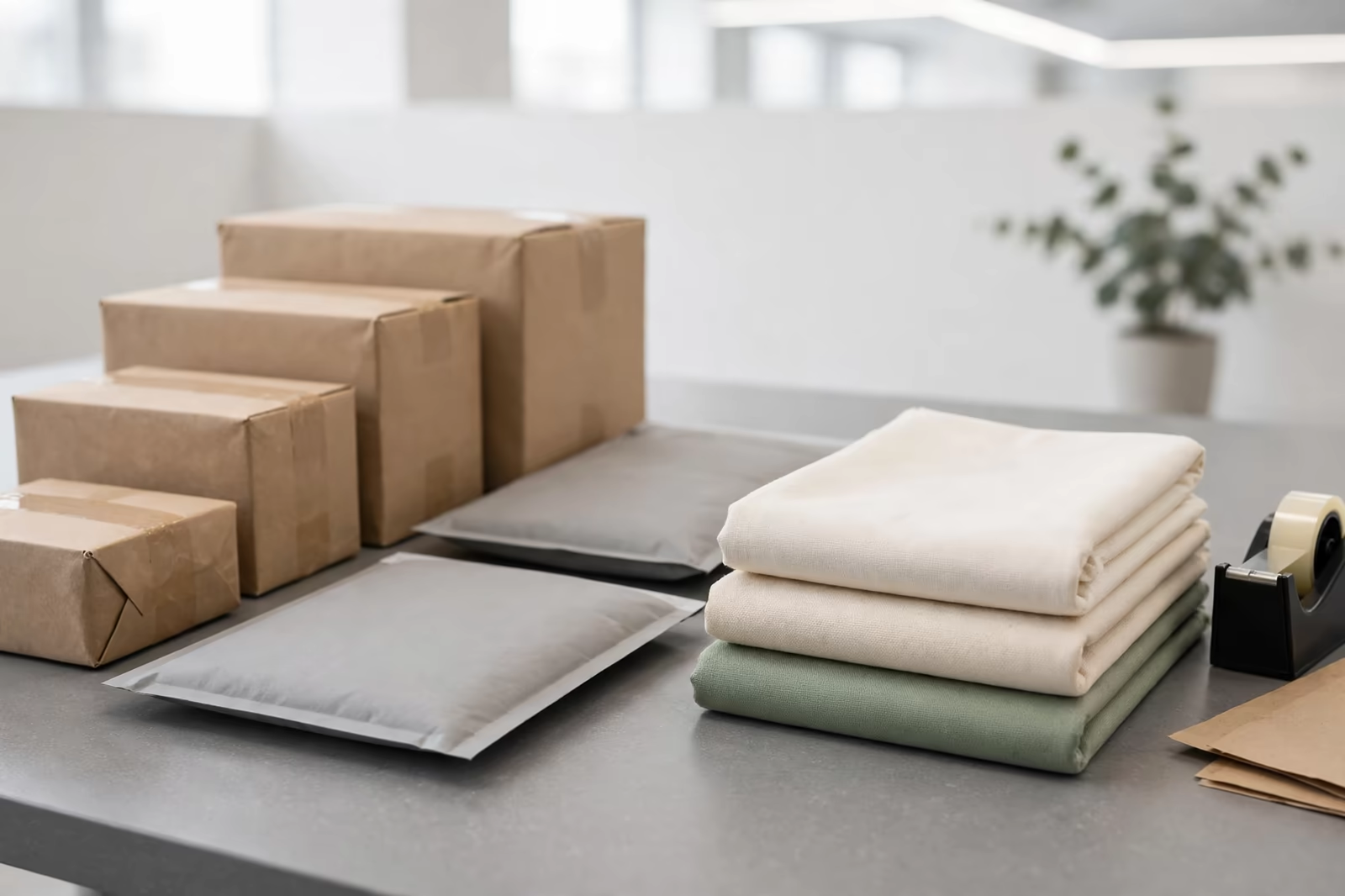
Every apparel budget has a line that nobody planned and everybody pays: samples and the couriers that carry them.
Buyers budget carefully for bulk production, then watch real money disappear in sample making charges and express parcels flying between the factory floor in Bangladesh and buying offices on other continents. This guide explains where sample and courier costs actually come from, why they grow so quietly, and how buyers sourcing from a manufacturer in Bangladesh for the USA, the UK, Germany, Canada and Australia keep them under control.
The goal is not to avoid sampling. Sampling is the cheapest quality insurance in the entire sourcing process. The goal is to sample deliberately and economically: the right pieces, at the right stages, shipped together, with the costs agreed before the first parcel leaves.
What a Sample Actually Costs to Make
A sample is a garment made under the most expensive conditions in the factory: one piece, cut by hand, sewn by the sample machinists, from fabric that may have been bought in a tiny quantity at retail-level prices. Understanding that explains the sample charge immediately.
- Fabric: small cuts bought or dyed specially for a handful of garments
- Pattern work: a pattern made or adjusted for one style and size
- Sample machinist time: the most skilled, slowest sewing in the building
- Decoration setup: screens or embroidery files prepared for a few pieces
- Trims: labels and accessories bought in minimum quantities far above need
- Checking and pressing: the same care as bulk, divided by almost nothing
Many factories credit sample charges against a confirmed bulk order, and many do not. Either way, the charge is honest arithmetic, which is why it belongs in the plan from the first conversation rather than arriving as a surprise beside the quotation.
The Courier Half of the Bill
Making the sample is often the smaller half of its cost. Moving it is the rest. Express courier is priced on weight and volume, charged at international express rates, and a season of development can involve a surprising number of flights.
- Lab dips and strike-offs travelling ahead of the samples they approve
- Proto samples, then fit samples, then size sets, each a separate parcel
- Pre-production samples and the corrected round after comments
- Shipping samples sent before bulk as the final reference
- Documents, swatches and trim cards travelling on their own
- Returns: samples sent back with comments by the same expensive route
Each parcel is small and defensible. Together they form a river of charges that nobody approved as a whole, which is exactly how sample freight becomes the budget nobody planned for.
Why the Rounds Multiply
Sample cost is driven less by unit prices than by the number of rounds, and rounds multiply for reasons that have little to do with the factory. Every unclear instruction, changed mind and missing measurement buys another flight.
- Specifications that leave fabric, print size or placement open to interpretation
- Artwork revised after screens have been made
- Comments given verbally instead of marked on the sample and in writing
- Multiple decision-makers commenting in sequence rather than together
- Fitting on a different body or form than the size chart assumes
- Approving colour from a screen instead of a physical lab dip
The most expensive sample is the one made twice because the first one answered a question the brief never asked. Discipline at the commenting stage is worth more than any courier discount ever negotiated.
Budgeting for Development Properly
Professional buyers treat sampling as a development budget with its own line, estimated before the season starts from the number of styles, the rounds each style is expected to need and the shipping pattern the team will actually use.
The exercise takes an hour and removes a season of surprises. It also changes the conversation with the factory: development becomes a planned service with agreed charges, instead of a stream of small favours that somebody eventually has to pay for.
- Count the styles and the sample stages each one genuinely needs
- Agree sample charges and credit terms in writing at quotation stage
- Decide which approvals travel physically and which can be digital
- Consolidate parcels: one weekly shipment instead of five urgent ones
- Use the factory’s courier account or your own, whichever the rates favour
- Review the development spend per style at season end, and learn from it
Our standard minimum of 1,200 pieces per style in up to two colours frames the economics: development cost is fixed per style, so it sits far more comfortably on a full production run than on a token quantity. The framework is set out on the MOQ and production page.
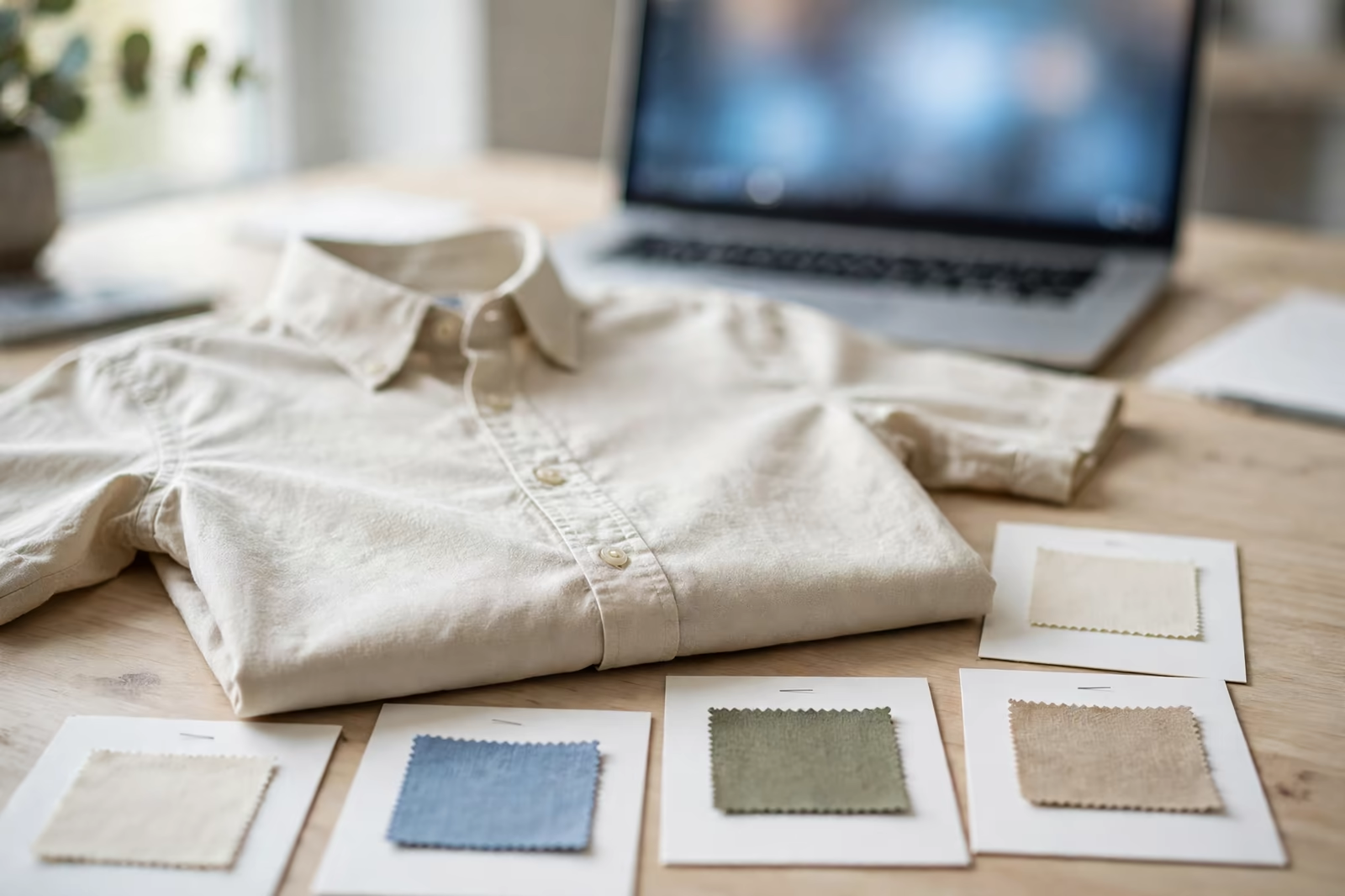
What Can Safely Go Digital
Some approvals genuinely need the physical piece; others travel by photograph and video perfectly well, and knowing the difference is where the savings live. Colour, shrinkage and hand feel cannot be judged on a screen. Construction details, print placement, measurement and packing presentation very often can.
- Digital-safe: stitch quality close-ups, print positions, label placement
- Digital-safe: measurement photographs against the chart, point by point
- Digital-safe: packing and folding presentation, carton marking
- Physical only: colour approval, fabric hand and drape, fit on the body
- Physical only: wash results, print fastness and final pre-production sample
- Hybrid: video call walk-through of the sample, then one shipped piece
Buyers who sort approvals this way routinely halve their parcel count while keeping every decision that matters physical. The courier bill falls; the control does not.
Payment and Paperwork Notes
Two administrative details decide whether sample costs stay tidy. First, how they are paid: sample and courier charges settled promptly, against itemised invoices, under the same discipline as bulk payments on the payment terms, rather than accumulating into one disputed lump at season end. Second, the paperwork on the parcels themselves.
Samples must be declared correctly as samples, with values stated as customs requires in the destination market, or the parcel that was meant to save a week spends it in a customs warehouse.
Agree both points with the factory before the first sample is cut, and keep one shared log of what was sent, when, by which service and at whose cost. When a question arises later, and questions always arise, the log answers it in a minute. For anything unclear, the contact route reaches the team directly.
Sample Types and What Each One Proves
Not every sample does the same job, and confusion between them is a quiet source of wasted rounds. Each stage exists to answer one question; sending a sample to answer the wrong question buys another round automatically.
- Proto sample: proves the style can be constructed as designed
- Fit sample: proves the pattern and measurements on the body
- Size set: proves the grading across the full size range
- Strike-off and lab dip: prove print execution and colour before garments exist
- Pre-production sample: proves the bulk line can reproduce the approved garment
- Shipping sample: the sealed reference the bulk shipment is judged against
Buyers who name the question each parcel must answer rarely over-sample. Buyers who ask for “another sample” generally get one, and then another, because no single garment can answer five questions at once.
A Sensible Season Pattern
Picture a merchandiser developing twelve styles for a spring range. Briefs go out complete, with artwork final and measurement charts attached. Lab dips and strike-offs travel together in one parcel and are approved within days. Fit samples for all twelve styles are consolidated into a single shipment, commented on one shared call, and corrected together.
Pre-production samples follow in one more parcel, and the shipping samples ride with the bulk documentation rather than flying alone. Total international parcels for the season: a handful, each planned, each logged. The same twelve styles developed reactively, style by style and panic by panic, would generate three times the flights and teach the buyer nothing extra. The difference is not the factory, the courier or the garments. It is the pattern. Teams that plan their sampling this way also discover a side benefit: their comments get better, because one consolidated review forces everyone to decide together, once, in writing, instead of dribbling opinions across three time zones for a fortnight.
Keeping a Sample Log
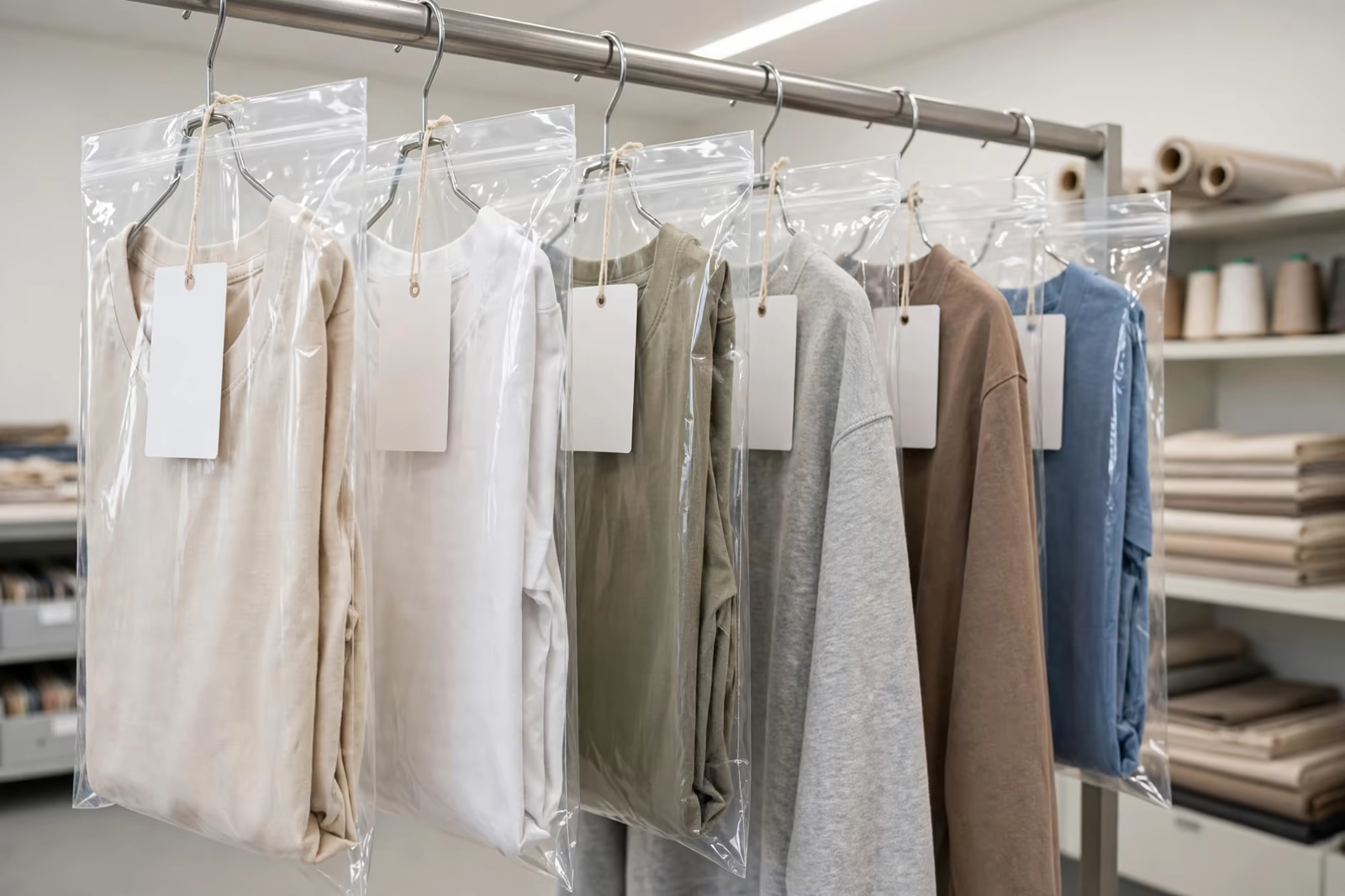
The cheapest control tool in sampling costs nothing: a shared log that both sides can see. When every parcel, charge and approval lives in one record, disputes about development spending simply stop occurring, because the facts are already written down.
- Style and stage: what was sent, and which question it answers
- Date and service: when it travelled, and by which courier
- Cost and account: the charge, and whose account carried it
- Approval state: approved, corrected or pending, with the date
- Comments reference: where the written comments live
When the Sample Is Free, Ask What It Costs
Some factories advertise free samples, and the offer deserves a calm question rather than suspicion: development costs exist whether or not they are invoiced at the sample stage. A factory that absorbs them recovers them somewhere, usually inside the bulk price, which is a perfectly fair arrangement when both sides understand it.
- Free sampling with costs recovered in the bulk price: fair, if stated
- Charged sampling credited against the order: fair, and common
- Charged sampling never credited: fair, if agreed in advance
- Free sampling promised, then billed under pressure later: the pattern to avoid
What matters is never the label but the agreement: who pays what, at which stage, credited or not, written down before the first parcel moves. Buyers who settle that page of the relationship early find the rest of the season considerably quieter.
Frequently Asked Questions
Why do factories charge for samples at all?
Because a sample costs far more per piece than bulk production: hand cutting, sample-room sewing, small fabric quantities and full decoration setup for a handful of garments. The charge is the factory sharing that real cost, and it is commonly credited when a bulk order follows.
How many sample rounds should I budget for?
Plan for the standard stages your garment type genuinely needs: development, fit, pre-production and a shipping reference, with one correction round allowed for. Buyers who brief precisely often use fewer; buyers who change specifications mid-development should expect more, and budget accordingly.
Who should pay the courier charges?
Either side can, and both arrangements are common; what matters is agreeing it in writing before samples move, and using whichever account carries the better rate. Unclear courier responsibility is the single most common cause of sample invoices being disputed at season end.
Can I skip physical samples and approve from photographs?
For some decisions, yes: construction, placement, measurement and packing approve well from good photographs and video. Colour, fabric hand, fit and wash behaviour cannot be judged on a screen. Skipping physical approval on those four points is how expensive bulk mistakes are born.