
Every buyer in apparel sourcing has a story about the cheapest quote. It won the order, and then it cost more than every quote it beat: in rework, in air freight, in chargebacks, in a season that closed before the goods arrived. This guide explains why the cheapest garment quote so often becomes the most expensive one, where the saving is usually taken from, and how buyers protect themselves while still buying competitively from a manufacturer in Bangladesh.
None of this argues for paying the highest price. It argues for knowing what a price contains. A garment is fabric, making, decoration, trims, checking and packing; a suspiciously low number means one of those parts is smaller than promised, and the difference always surfaces somewhere, usually at the moment when fixing it costs the most and the calendar allows the least.
Where the Saving Is Usually Taken
A factory cannot repeal arithmetic. When a quote undercuts the market on the same specification, the gap is funded from inside the garment, and the funding sources repeat so reliably that experienced buyers check them in order.
- Fabric weight: the cloth arrives lighter than the specification, garment by garment
- Yarn quality: cheaper yarn that pills, twists and loses colour in washing
- Stitch density: fewer stitches per inch, seams that open under stress
- Trims: thinner labels, weaker threads, cheaper elastic and buttons
- Decoration: fewer print passes, thinner ink, smaller embroidery than artwork
- Checking: inspection steps skipped, faults packed instead of repaired
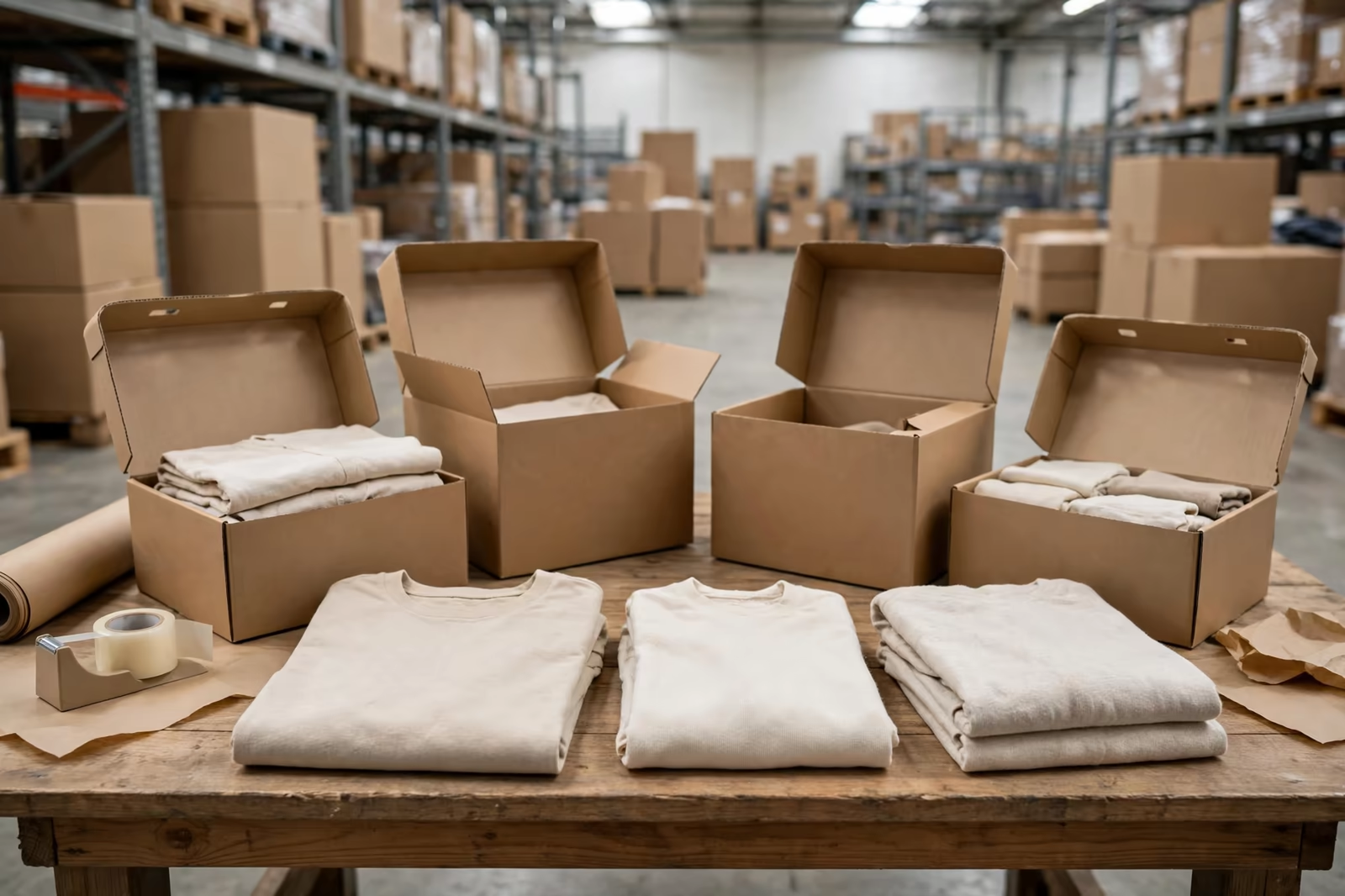
- Packing: weaker cartons and bags that fail on a sea voyage
Each saving is invisible in a photograph and visible in the warehouse, which is precisely why this pattern survives: the discovery always comes after the payment structure has done its work.
The Costs That Arrive Afterwards
The unit price saving is real for exactly one moment: the quotation. From production onwards, the hidden costs begin invoicing themselves, and they are larger than the saving that created them.
- Rework: faults found at final inspection must be repaired, rechecked and repacked
- Replacement production: rejected quantities remade while the season clock runs
- Air freight upgrades: late sea shipments converted to air at many times the cost
- Retail chargebacks: chains fine suppliers for faulty, late or mislabelled goods
- Returns: consumers send back garments that pill, twist and fade
- Reputation: one failed range quietly closes doors for the next three seasons
- Your own hours: weeks of management time spent rescuing one order
Set against this list, the original saving looks like what it usually is: a small discount purchased with a large risk, taken by a buyer who compared prices before comparing specifications.
Quality Is a System, Not an Inspection
The deeper problem with the cheapest quote is what it reveals about the factory behind it. Quality in garment production is not a final inspection that catches faults; it is a system of habits, from fabric checking on arrival to measurement discipline on the line, and systems cost money to run.
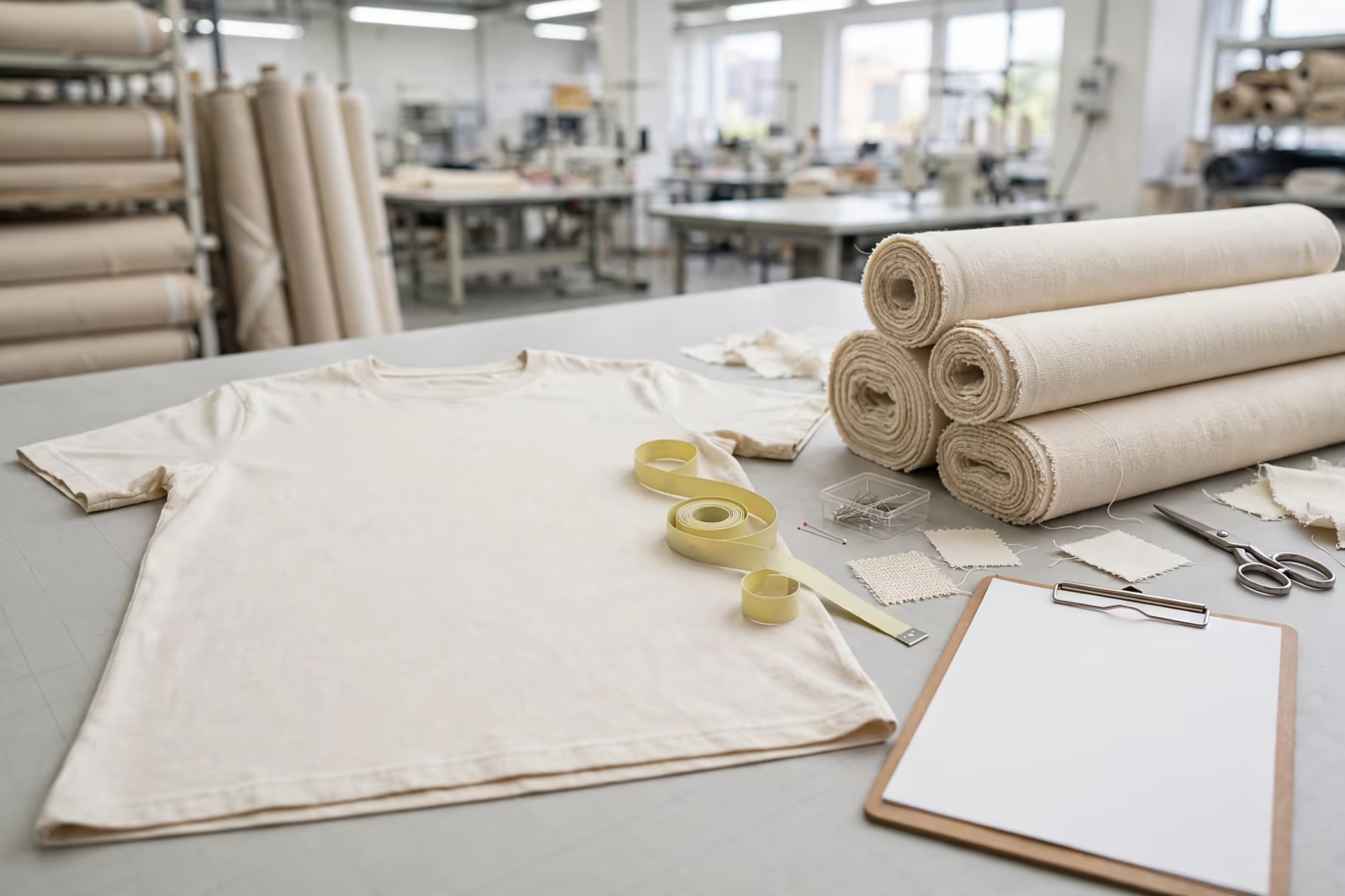
- Fabric inspected before cutting, so faults never become garments
- Inline checking while sewing, when a fault costs pennies to fix
- Calibrated measurement against the buyer’s chart at every stage
- Needle control and metal detection run as routine, not theatre
- Final inspection with time to repair, not a signature under pressure
- Records kept, so any problem can be traced to its cause
A quote that cannot fund this system is not offering the same product at a lower price. It is offering a different product, one whose faults are scheduled to become your problem at the worst possible moment.
The Delay Pattern
Cheap quotes and late delivery travel together so often that buyers treat them as one risk. The mechanism is simple: a factory that wins work by underpricing must run more orders through the same floor to survive, and every order in that queue is somebody’s urgent order. Yours joins the back.
The consequences compound. A late approval here and a crowded line there push the shipment past its vessel, and the buyer’s choices narrow to air freight or an empty selling window. The garment that was cheapest in March becomes, by June, the most expensive stock the company owns, assuming it arrives in a state that can be sold at all.
What Competitive Should Actually Mean
Competitive pricing is real, and Bangladesh offers it legitimately: skilled sewing labour at scale, deep fabric supply chains and factories whose entire cost base is lower than in most competing countries. Our standard minimum of 1,200 pieces per style in up to two colours spreads setup costs the honest way, across volume rather than across quality.
- Efficiency: high-volume lines that sew your garment type daily
- Fabric sourcing: mills and knitters priced through long relationships
- Scale: fixed costs spread across large, well-planned runs
- Specialisation: a factory whose machinery matches your product exactly
- Margin discipline: a fair profit stated once, not hidden in materials
The test is always the same: ask where the saving lives. If it lives in efficiency, scale and specialisation, take it gladly. If it lives in the garment, decline it politely. The full range of what a proper production partner covers sits on the services page.
Protecting Yourself Without Overpaying
None of the defences below require paying premium prices. They require treating the quote as the start of verification rather than the end of negotiation, which is what professional buyers in the USA, the UK, Germany, Canada and Australia actually do.
- Demand the breakdown and compare specifications before prices
- Verify with pre-production samples checked physically against the spec
- Agree the inspection standard and the remedy in writing before production
- Structure payment so part of the money follows passed inspection
- Read the return policy and defect terms before you need them
- Start with one order sized to prove the factory, then scale
- Keep a second source warm for the day any supplier fails
Follow these and the cheapest acceptable quote, the one whose saving lives outside the garment, becomes safe to take. That is the real skill in buying: not finding the lowest number, but knowing exactly which low numbers can be trusted. Experience sharpens this judgement quickly. Most buyers need only one rescued order to start reading quotes the way this guide describes: specification first, behaviour second, saving located third, and the number itself last of all. When you want a quote built that way, send the specification through get a quote.
A Story Every Buyer Recognises
The pattern rarely announces itself at the start. The order is confirmed at a price the buyer is proud of, the sample looks acceptable, and production begins with congratulations all round. The first cloud is usually small: approvals take longer than promised, answers arrive thinner, and the mid-production photographs show a line that looks crowded with other customers’ work.
Then the final inspection reports faults at a rate the buyer’s standard cannot pass. The factory asks for tolerance, then for time, then for understanding. Rework begins while the shipping window closes.
The buyer faces three choices, all bad: accept goods below the agreed standard, pay air freight for a partial quantity, or miss the season and discount whatever arrives late. Every one of those choices costs more than the difference between the cheap quote and the honest one. The order ends, everyone calls it bad luck, and the following season the same buyer asks for fresh quotes and is tempted by the same low number again.
The Approval Sample Illusion
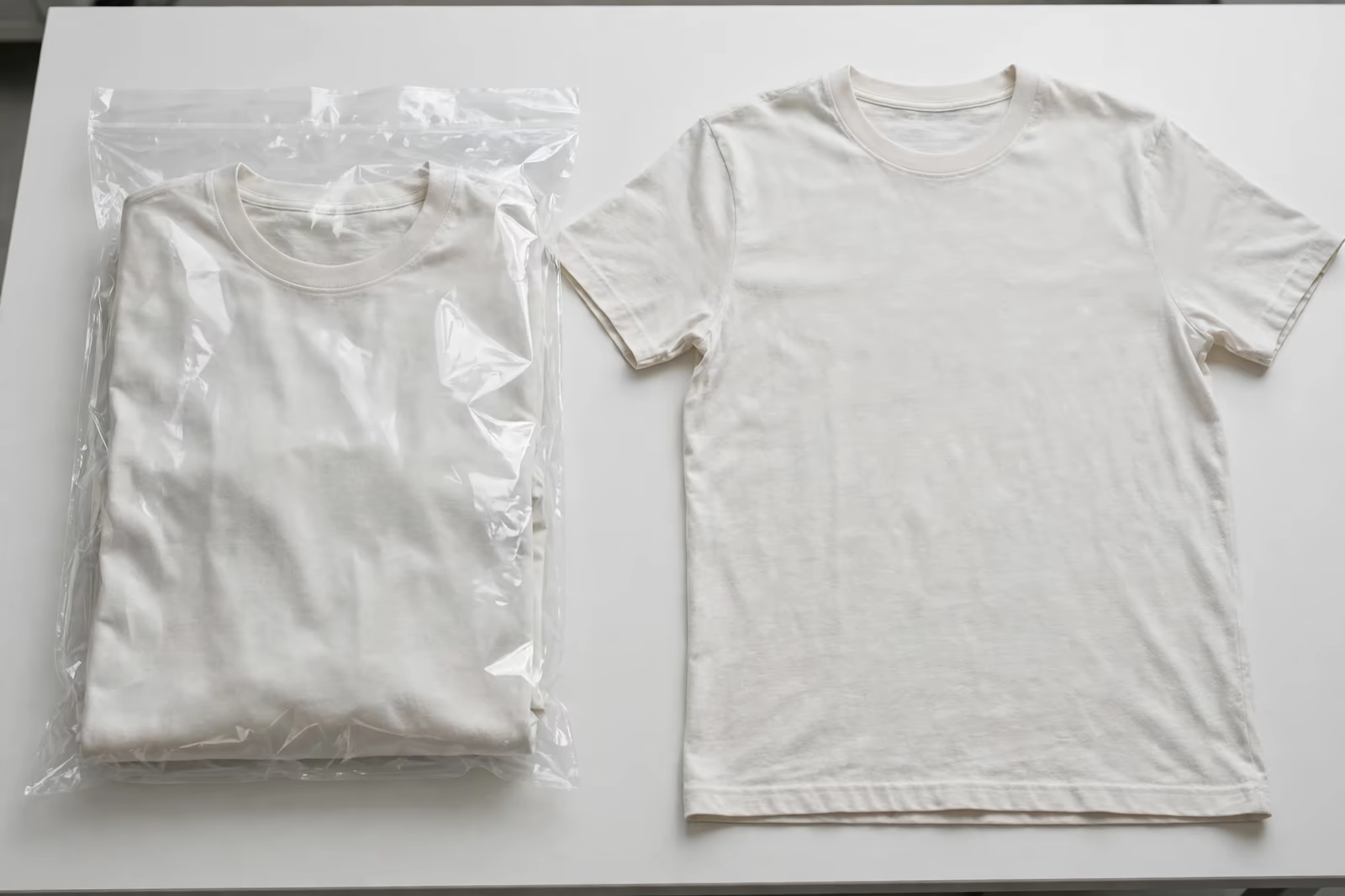
One reason the pattern repeats is the golden sample: a single garment made slowly, by the best machinist, from the best part of the fabric roll. It proves the factory can make the garment once. It says nothing about making it ten thousand times, on schedule, by a full production line.
- Keep a sealed counter-sample: one approved piece neither side can dispute
- Judge bulk against the counter-sample, not against memory or photographs
- Ask how the sample was made: by hand in the sample room, or on the line
- Treat an unusually perfect sample from an unusually cheap quote as a question
- Check early production pieces, not only the final inspection
Factories with real systems welcome counter-samples and early checks, because both protect them too. Resistance to either is information, and it arrives while you can still act on it.
Reading the Factory Behind the Number
A quotation is also a character reference the factory writes about itself. Before the numbers, read the document and the behaviour around it, because both forecast the order more reliably than the price does.
- The breakdown arrives complete, without being chased
- Questions about your specification come back before the price does
- Validity, terms and exclusions are written down plainly
- The factory declines work outside its specialisation honestly
- Problems in your specification are flagged, not quietly priced around
- Answers stay consistent across emails, weeks and people
A factory that behaves this way at quotation stage runs its floor the same way. One that is vague, shifting and reluctant to write things down will be vague and shifting at production stage, when vagueness costs real money. Price the behaviour as carefully as the garment.
There is also a quieter cost that never appears on any invoice: the buyer’s credibility inside their own company. The merchandiser who championed the cheap quote owns its failure at every internal review, and the brand that planned a season around those goods loses the slot to a competitor whose supply simply arrived. Sourcing decisions echo for years inside a business, long after the shipment itself is forgotten.
Frequently Asked Questions
Is the cheapest quote always a bad quote?
No. A low quote funded by efficiency, scale or specialisation is a genuine bargain and common in Bangladesh. The danger is the quote whose saving is funded inside the garment: lighter fabric, fewer stitches, cheaper trims and skipped checking. The breakdown tells you which kind you are holding.
How can I tell if a factory has cut the fabric weight?
Weigh the sample and the bulk garments against the specification. A garment’s weight follows its fabric weight closely, so a consistent shortfall across pieces is evidence, not opinion. Checking a handful of cartons at final inspection catches the pattern before the goods ship.
What is the most common hidden cost of a cheap order?
Delay, converted into air freight. Underpriced factories overload their lines, shipments miss vessels, and buyers pay air rates to rescue the season. The freight upgrade alone commonly exceeds the entire saving the cheap quote offered at the start.
Can a contract protect me from quality cutting?
Partly. Written specifications, agreed inspection standards and payment linked to passed inspection all help, and they should always be in place. But the strongest protection is choosing a factory whose price never required cutting in the first place, verified by samples and a first order sized to prove them.