
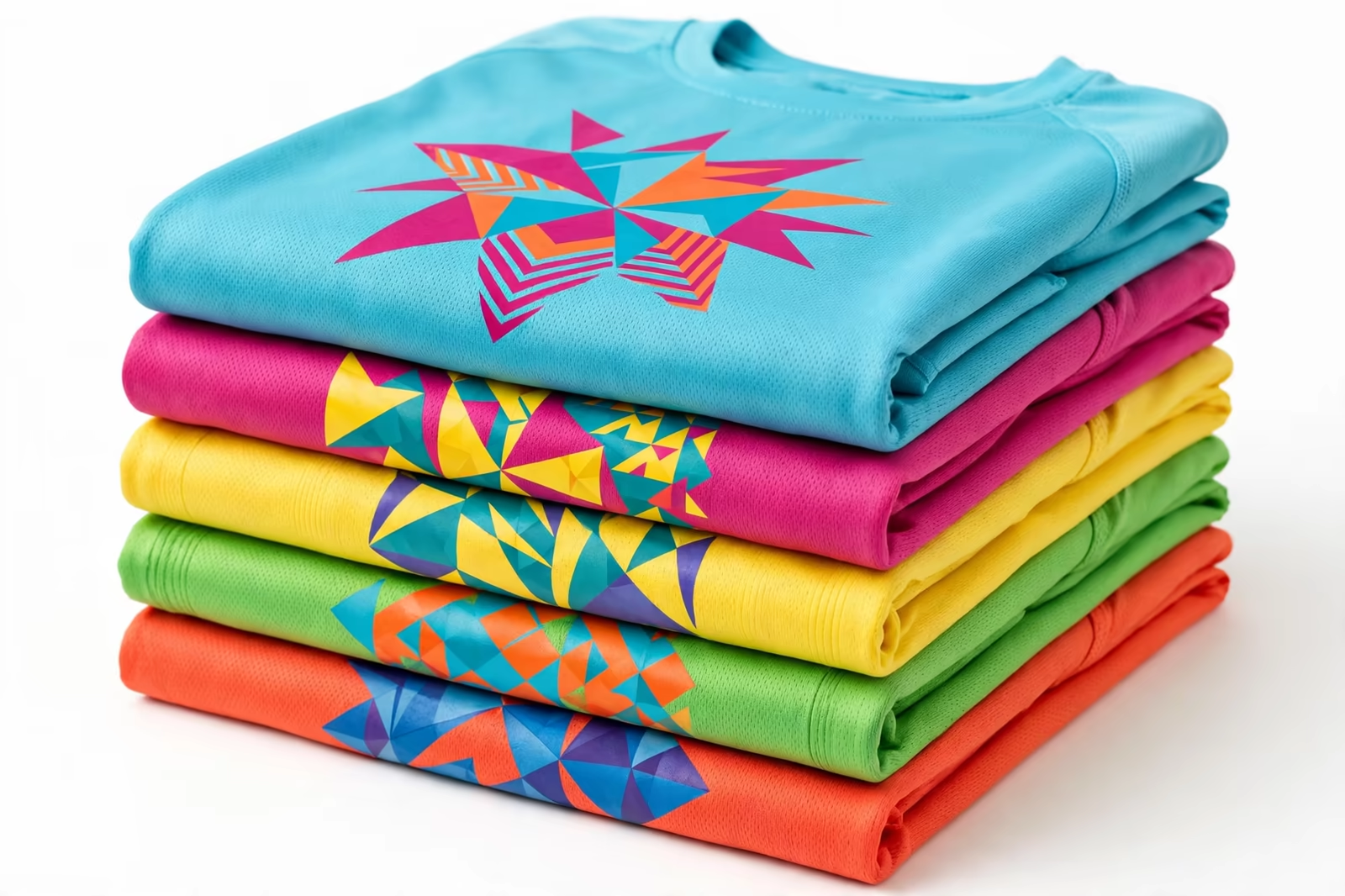
A charity run lives or dies on its shirts. The finisher tee is the photograph, the souvenir and the fundraising receipt in one garment,
The organiser who orders it late, light or wrong discovers that runners forgive a hard course far more easily than a bad shirt. This guide covers charity run and marathon merchandise properly: the runner shirts, the finisher and volunteer pieces around them, the size ratios that decide who goes home happy, and how organisers source it all from a clothing manufacturer in Bangladesh for events in the USA, the UK, Germany, Canada and Australia.
Everything here follows the made-to-order reality of event apparel: artwork locked, sizes forecast, production scheduled backwards from race day, and no second chance once the start gun fires.
The Shirt System of a Race
A well-dressed event is not one shirt but a family of garments, each doing a different job and each readable at a distance. Plan them as one system, in one order, with one design language.
- The runner shirt: issued at registration or in the race pack
- The finisher tee: earned at the line, often a different colour or design
- Volunteer and marshal kit: instantly identifiable, never confused with runners
- Medical and safety team: high-visibility, unmistakable at distance
- Organiser and sponsor pieces: polos or tees for the public-facing crew
- Merchandise for sale: the designs supporters buy beyond the entry package
Colour does the crowd management. When each group wears its own colour, a venue of thousands organises itself, and the photographs carry the event’s identity for free.
Ordering the system together also protects the budget. One production conversation, one artwork family and one freight plan carry all six garment types, instead of six small emergencies arriving separately across the season. Suppliers price coherent programmes more keenly than fragments, and organisers sleep better for the same reason.
The Runner Shirt Itself
Runners are the harshest garment critics alive: they wear the shirt for hours, in weather, against skin, and many will train in it for years afterwards. The specification that survives them is a performance garment, not a promotional one.
- Lightweight breathable knit that moves moisture away from the skin
- Flat, soft seams at shoulders and underarms where chafing begins
- A fit that allows running movement without billowing fabric
- Print that flexes with the fabric and survives repeated washing
- Event name, year and sponsors placed where photographs will see them
- The workhorse specification lives in the performance training t-shirt
Our standard minimum of 1,200 pieces per style in up to two colours suits event scale naturally, because a serious run dresses its field in thousands, and the unit economics follow.
Finisher Tees: The Garment With a Memory
The finisher shirt is not merchandise; it is a medal you can wear. Runners keep them for decades, which makes their quality a long-term advertisement and their design a piece of the event’s history.
- Reserve the finisher design for finishers only; scarcity is its value
- Carry the distance honestly: marathon, half and fun run are different garments
- Print the year large; the collection across years is the point
- Upgrade the fabric one step above the runner shirt if budget allows
- Plan the handover: finish-line distribution needs sizes staged, not searched
Events that treat the finisher tee casually discover the disappointment in every post-race forum. Events that treat it as an heirloom watch runners return annually to complete the set.
Distribution is part of the garment’s design, not an afterthought. The finisher area should flow by size, with the stacks staged in the order runners arrive and volunteers who can exchange a size without an argument or a queue. A great shirt handed over after twenty minutes of confusion is remembered as a queue, not a shirt.
Size Ratios: The Maths That Decides Race Morning
Every event order fails or succeeds on its size curve. Order by total quantity alone and the popular sizes vanish by mid-morning while boxes of extremes remain. The ratio must be forecast from the field you actually have.
- Build the curve from your entry data: gender, age bands, past events
- Weight the middle sizes heavily; they always clear first
- Allow a stated exchange stock, because runners guess their size badly
- Separate the volunteer and staff curve from the runner curve entirely
- Record what actually cleared this year; next year’s ratio starts there
- Order the spare ratio as part of the main run, not as a panic reorder
No ratio is perfect, and every organiser keeps a small heartbreak pile of the wrong sizes. The professional’s goal is a small pile, shrinking each year as the data improves.
Safety and Visibility Dressing
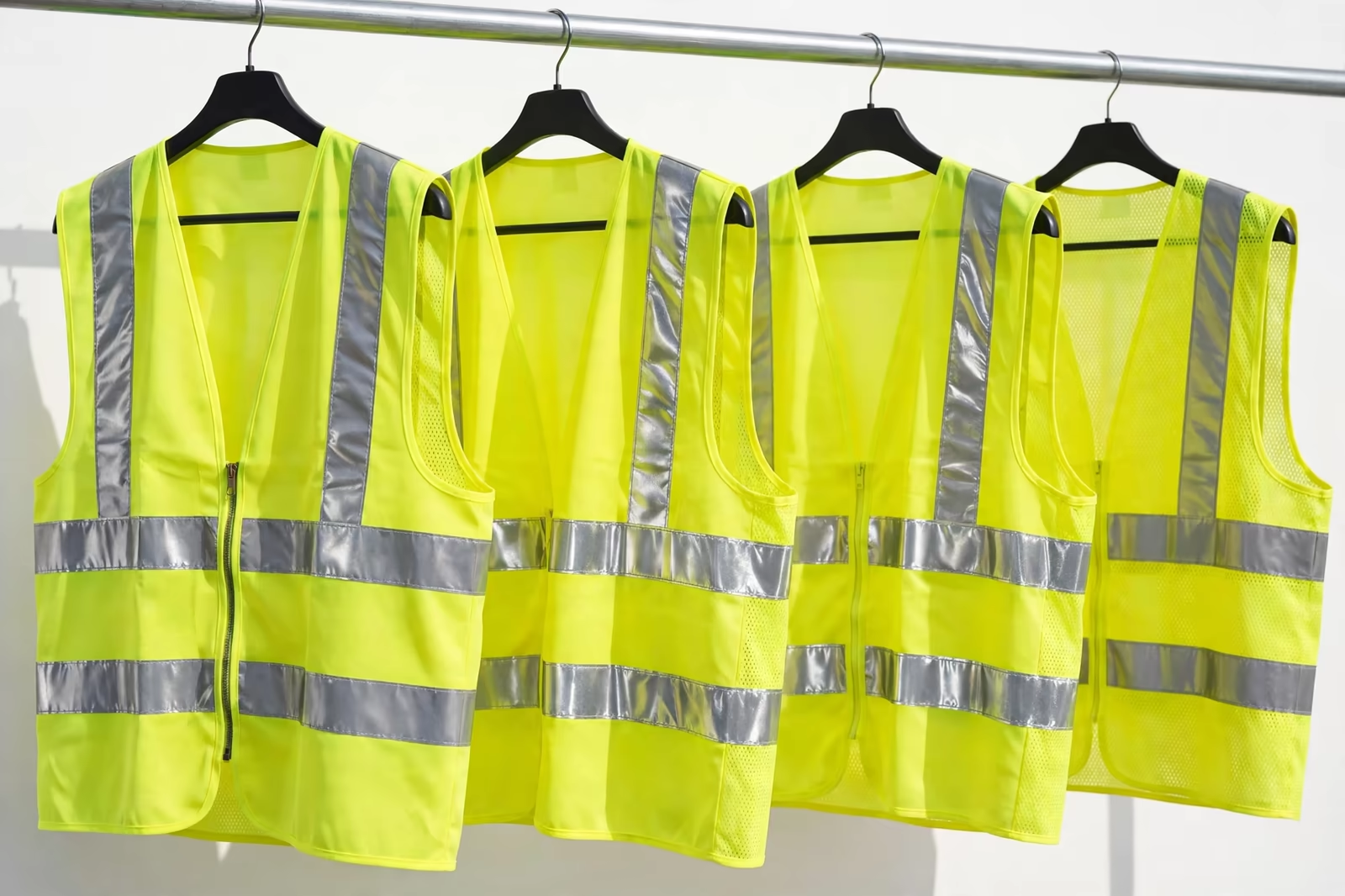
Marshals, medics and road crews dress for a different purpose: to be found instantly in a crowd, in motion, in bad light. Their kit is safety equipment that happens to be clothing.
- High-visibility vests over any clothing, sized generously
- The standard piece is the high-visibility vest, printed with role titles
- Role words large on the back: MARSHAL, MEDIC, CREW
- Weather layers beneath in the event colour for cold mornings
- A distinct colour reserved for medical staff alone
Print the role, not just the logo. A runner in distress looks for a word, not a brand, and the vest that answers fastest is the one the whole field can read.
Timing the Order Backwards
Race day cannot move, so the merchandise calendar is built backwards from it, through production, freight and the packing of race packs. The discipline is identical to any seasonal launch, with one difference: there is no soft launch and no extension.
- Lock artwork and sponsor logos before production is quoted
- Confirm sizes from entry data as late as entries honestly allow
- Ship with buffer for the freight surprises every route contains
- Stage finisher stock by size at the finish area before race week
- Keep a small air-freight contingency for the piece that must not fail
Start the conversation through get a quote with the race date in the first line. Everything else in event apparel is scheduling, and scheduling begins with the date that cannot move.
Merchandise Beyond the Entry Package
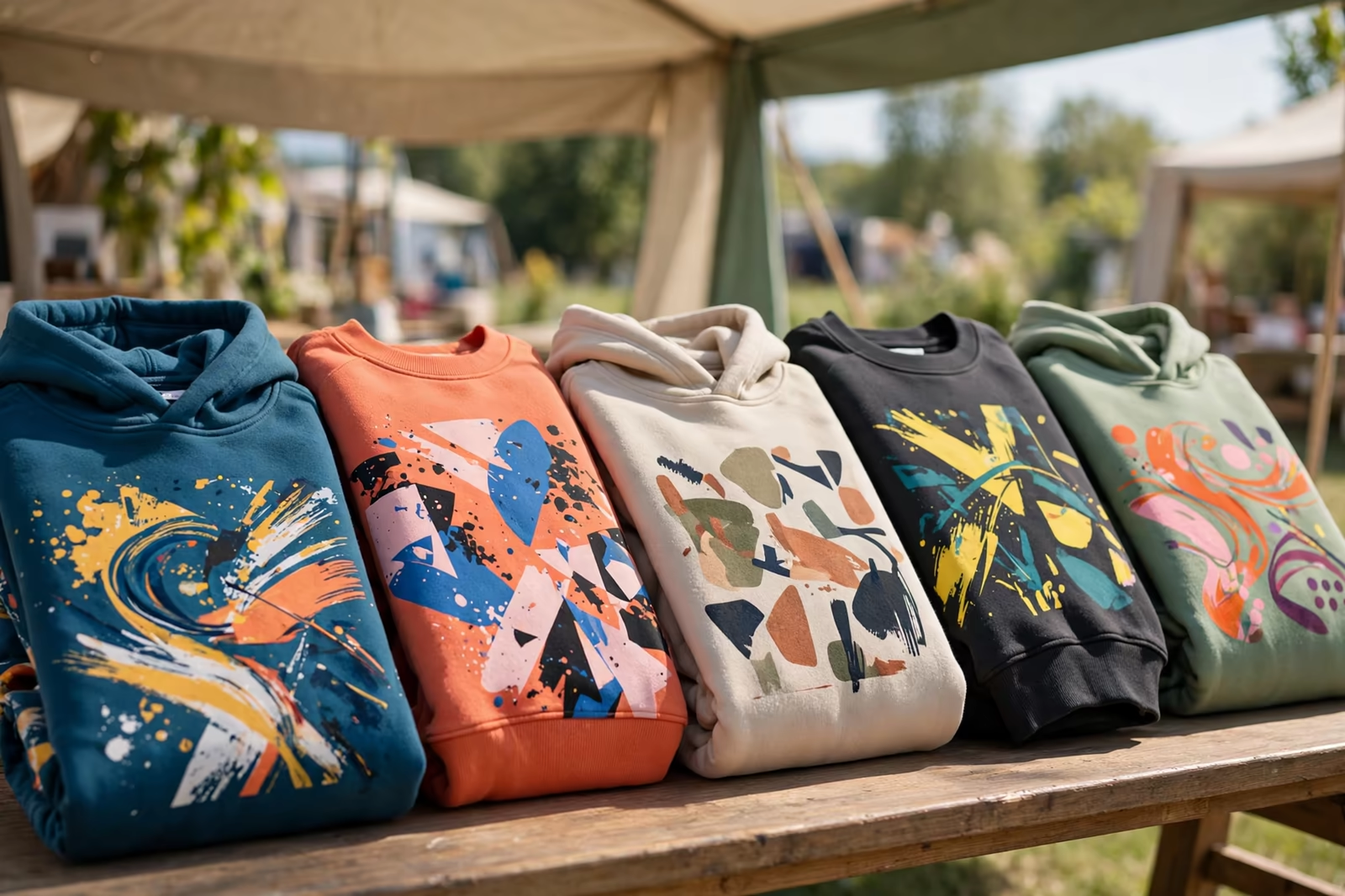
Many events sell apparel beyond what the entry includes, and the shop range obeys different rules from the race kit. Supporters, families and collectors buy these pieces, wear them in ordinary life, and judge them as retail garments rather than race equipment.
- Hoodies and sweatshirts carry the event identity into winter
- Designs can be bolder: the buyer chose the garment, nobody issued it
- Quality must survive the high street comparison, not just race day
- Pre-orders alongside entry reveal demand before production commits
- Leftover stock plans matter: designs without dates sell next year too
The undated design is the experienced organiser’s quiet trick. A strong event graphic without the year printed in it can sell across seasons, while every dated piece becomes a souvenir with an expiry date of its own, usually ending the season discounted, donated or stored away and forgotten.
Planning for the Weather You Fear
Outdoor events are dressed twice: once for the forecast and once for the betrayal. A cold snap or a storm on race morning changes what thousands of people need to wear, and the merchandise plan that ignores the possibility gambles the event’s comfort on a prediction.
- A lightweight layer in the range covers cold starts cheaply
- Volunteer kits need weather layers most; they stand still for hours
- Rain changes print and fabric behaviour at the finish line handover
- Spare dry finisher shirts for medical and welfare areas are kindness, planned
- Communicate the plan: runners dress better when the event advises them
None of this requires doubling the order. It requires one layer designed in, a volunteer kit thought through, and a small reserve held where the welfare team can reach it. Organisers who have run one cold event never need persuading again; everyone else is one April morning away from understanding.
Sponsors on the Shirt
Most charity events are funded partly by sponsors, and the shirt is where the sponsorship becomes visible. Handled well, the sponsor wall dignifies the garment; handled badly, it turns runners into billboards and cheapens both brands at once.
- Agree logo positions and sizes in the sponsorship contract itself
- One colour discipline: sponsor marks rendered in the event’s palette
- Hierarchy by contribution, placed consistently across every garment
- Lock final artwork only when every sponsor has approved in writing
- Photograph the finished shirt for sponsors; it is their evidence too
The artwork lock is the schedule’s most fragile point, because it waits on other organisations’ approval chains. Chase it early, in writing, and never let production’s start date become the deadline sponsors negotiate against.
After the Race: Reading the Leftovers
When the field goes home, the remaining boxes are a report. Which sizes cleared, which designs sold, which garments the volunteers praised or cursed: the leftovers grade the whole merchandise plan more honestly than any survey.
- Count leftovers by garment, colour and size before storing anything
- Compare the cleared curve with the ratio you ordered
- Ask the welfare and finish teams what failed in the weather
- Decide what rolls forward, what sells on, and what is retired
- File the numbers with the artwork; next year’s order starts there
Events are annual, which makes them the easiest apparel programmes in the world to improve: the same customer returns, the same course waits, and last year’s evidence is sitting in boxes, waiting to be counted.
Frequently Asked Questions
What fabric suits a charity run shirt?
A lightweight performance knit with moisture movement and soft, flat seams. Runners wear the garment for hours against moving skin, so breathability and chafe-free construction matter more than the heavy, premium hand feel that suits a fashion tee. Print must flex and wash with the fabric.
How do I forecast the size ratio for my event?
From your own entry data wherever possible: the gender split and size selections of registered runners, corrected by what actually cleared at your last event. Weight the middle sizes, hold an exchange allowance, and record this year’s outcome so the forecast sharpens annually. The forecast is never finished; it is a document the event improves every year it runs.
Should the finisher tee differ from the runner shirt?
Yes, in design at least and ideally in colour. The finisher garment is earned, and its exclusivity is its emotional and collectable value. Many events also step its fabric up slightly. What it must never be is the same shirt with a different word printed in the same place.
When should event merchandise be ordered?
Working backwards from race day with honest allowances for production, freight and race-pack packing. Artwork and sponsor approvals are the usual bottleneck, so lock them first. The race date cannot move; everything in the merchandise plan must be scheduled to respect that fact.