
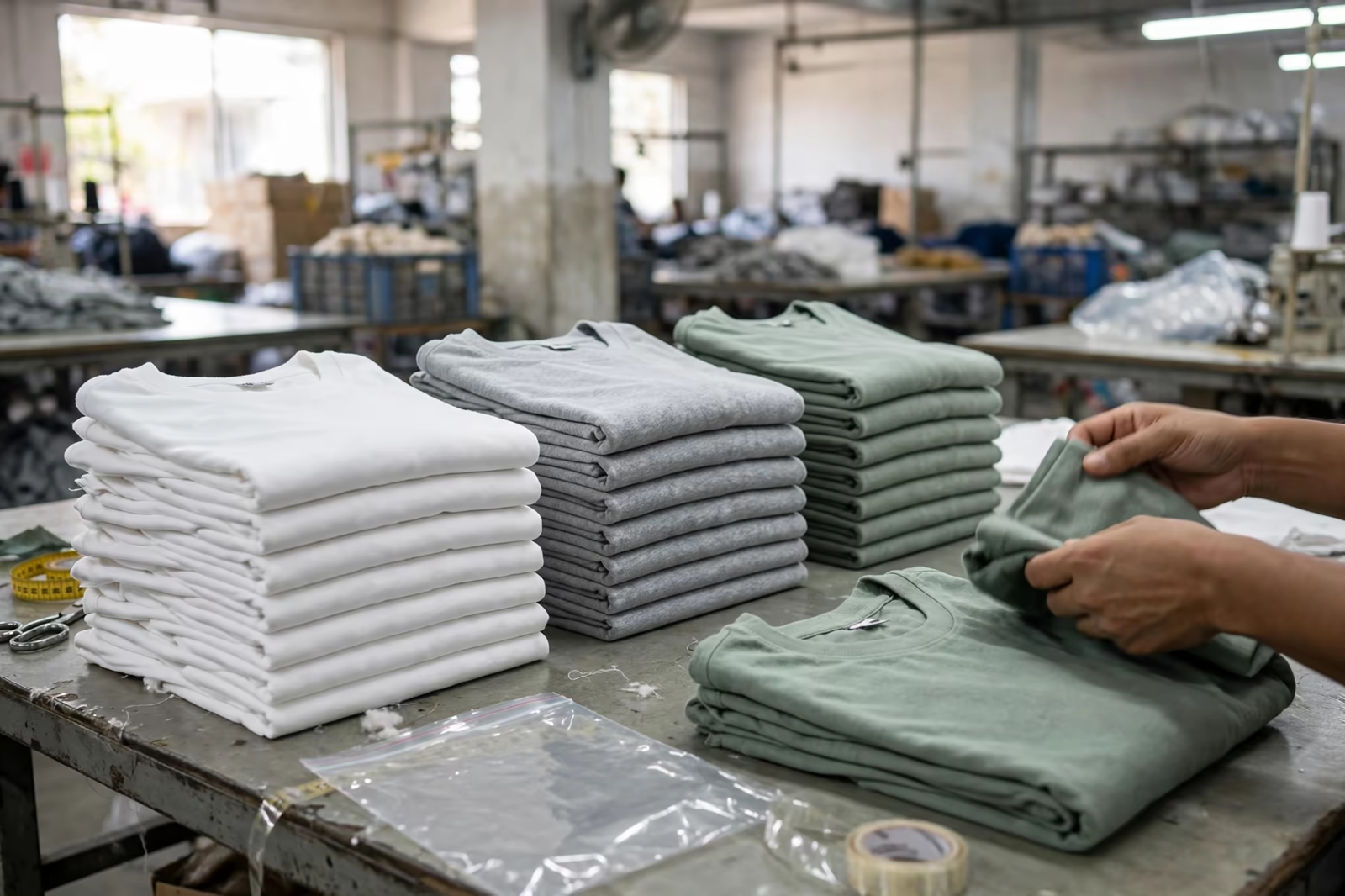
For basic apparel programmes, the shortlist conversation often narrows to two names: Bangladesh and Cambodia. Both export garments at scale, both serve European and North American basics buyers, and both will quote keenly for your tees, polos and fleece. Yet the two industries are built very differently, and the differences decide which programmes thrive where.
The sourcing teams behind this guide work in Bangladesh, making basic apparel to order for buyers in the USA, the UK, Germany, Canada and Australia. Cambodia is treated fairly here, because many buyers run both countries in one range, basics split by product and season, and an honest map serves them better than a flag-waving one.
Basic programmes live in products like our classic crew-neck t-shirt, across the regions on our market area page, starting with a conversation through our get a quote page.
Two Industries, Two Models
Bangladesh’s industry is locally rooted and vertically deep: domestic owners, local spinning, knitting, dyeing and finishing, and supporting trades from trims to printing grown around the factories over four decades. Much of a basic garment’s journey, yarn to carton, can happen inside the country.
Cambodia’s industry was built largely on foreign investment, with factories commonly owned from abroad and a model long centred on cut-make-trim work: fabric and trims arrive from overseas, often from regional mills, and the Cambodian factory contributes skilled sewing and finishing. The model is efficient for what it does, and its limits follow from what it does not do locally.
Neither model is a verdict. They are architectures, and programmes should be matched to architecture: the more a programme depends on fabric development, shade work and local problem-solving, the more the vertical model earns; the simpler and more stable the style, the less the difference matters.
History explains the shapes: Bangladesh’s industry grew from domestic entrepreneurship in knitwear and kept adding the trades around it, while Cambodia’s grew rapidly from the nineteen-nineties as regional manufacturers placed sewing capacity there. Both histories produced skilled workforces; they simply organised the industries around different centres of control, which the rest of this comparison follows through fabric, cost and risk.
Fabric: The Deciding Difference
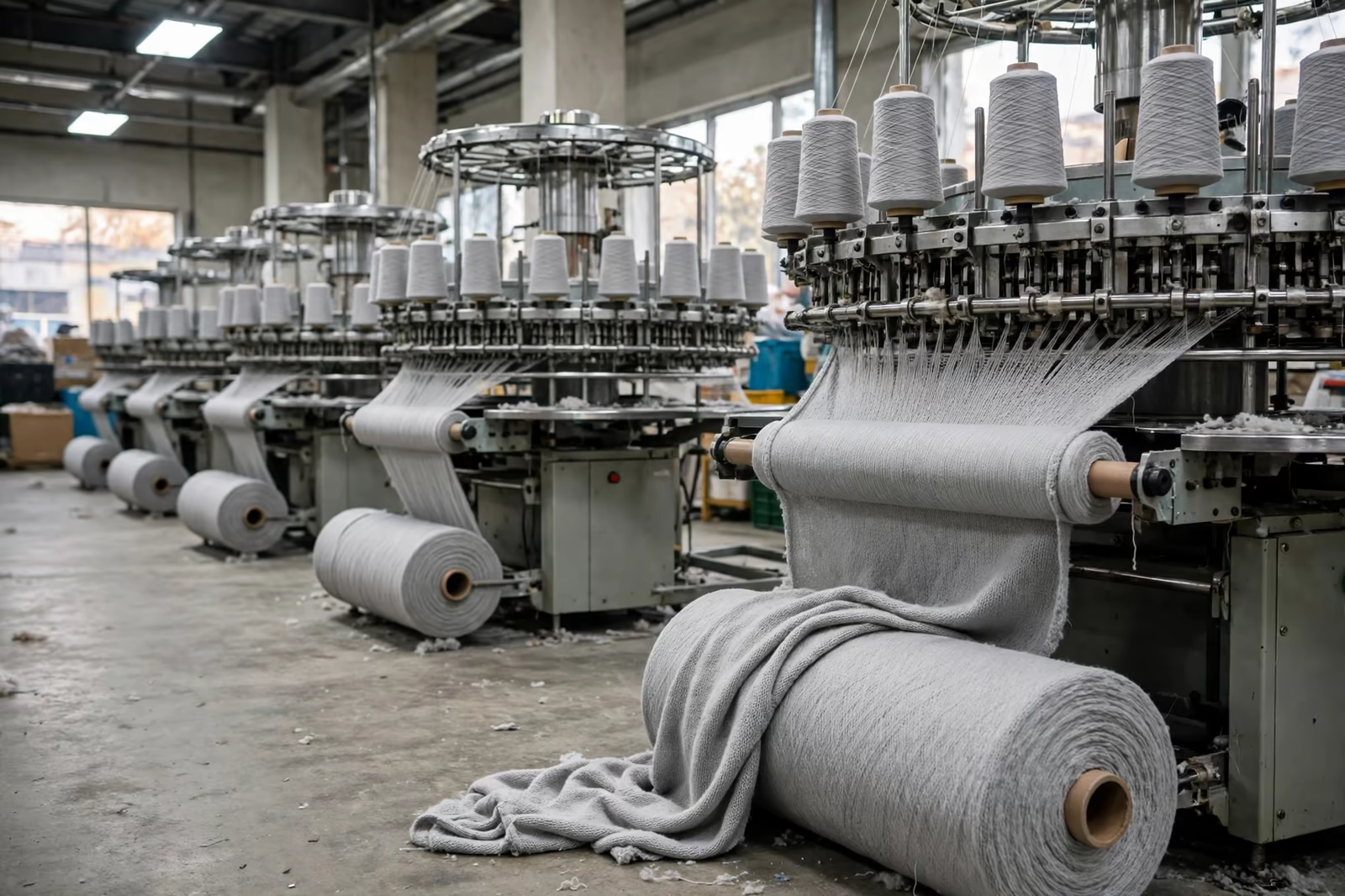
Fabric is where the comparison is truly decided. A Bangladeshi basics programme typically sources its jersey, fleece or pique domestically: knitted, dyed and finished by local mills working to the order, with shade corrections and replacement fabric handled inside the same industry.
A Cambodian programme usually begins with imported fabric, which adds a shipping leg before cutting starts and places fabric quality, shade and defects partly outside the factory’s control. Experienced Cambodian factories manage this well, with strong incoming inspection and mill relationships abroad, but the structure itself carries more moving parts.
For buyers, the question to ask any Cambodian supplier is therefore fabric-first: which mill, which country, what inspection on arrival, what happens when a fabric lot fails. The answers separate the strong factories in both countries from the rest.
Sampling and Development Behaviour
Development reveals structure quickly. A Bangladeshi basics sample is usually cut from locally sourced or locally knitted fabric close to the bulk intention, so the sample judges the real programme. Development rounds for shade, hand feel and shrinkage iterate inside one industry, which keeps the loop short.
A Cambodian sample may be sewn from imported or substitute fabric while the bulk cloth is arranged, which is normal practice there but asks the buyer to judge fit and construction separately from fabric until bulk cloth is confirmed. Strong factories manage the two tracks transparently; weak ones let a beautiful substitute sample sell a programme the bulk fabric cannot match.
Buyers should therefore ask in both countries, and especially across the import model, one question: is this sample the bulk fabric, and if not, when do I judge the real cloth?
Cost and Value on Basics
On headline sewing cost the two countries compete closely, and both sit among the world’s value sources for basics. Bangladesh’s advantage tends to appear in the full programme economics: local fabric avoiding an import leg, deep printing and embroidery capacity in-house, and factories practised at squeezing consistency from large repeat orders.
Cambodia can price attractively on straightforward styles where fabric is supplied efficiently through its import channels, and some buyers value its factories’ experience with particular retail groups. Wage movements in both countries shift the comparison over time, which is why programme buyers re-quote rather than assume.
As always, ex-factory price is the start of the arithmetic, not the end: duties by market, freight, and the cost of fabric surprises all belong in the same spreadsheet.
Product Fit by Category
Bangladesh’s centre of gravity is knit basics in depth: tees, polos, fleece, hoodies, jersey programmes, plus woven shirts, trousers and workwear, with decoration at production scale. A basics range with printing, embroidery and repeat colourways sits naturally here.
Cambodia’s factories are strong in sewn basics and sportswear-leaning styles, with particular experience among factories serving large international brands. Buyers placing stable, well-specified styles with fabric arranged through the factory’s established channels are its natural customers.
Where a programme mixes fabric development, many colourways, decoration and repeats, the vertical depth here usually shows. Where a programme is a stable style run through an established fabric channel, Cambodia competes on equal terms and sometimes better relationships.
Capacity, Seasons and Reliability
Both industries run busy calendars for the same global seasons, and both reward early booking. Bangladesh offers the deeper bench: a programme displaced by a full line or a delayed mill has more domestic alternatives, and the sheer number of basics factories makes capacity conversations flexible for buyers with forecasts on file.
Cambodia’s capacity is more concentrated among its established export factories, which can be a strength for buyers inside those relationships, stable lines, practised teams, and a constraint for late or unusual programmes seeking a home at short notice.
Reliability, in the end, is reported behaviour: milestone updates, honest readiness calls and inspection results, order after order. Both countries contain factories with exemplary records and factories without them, and a buyer’s own file on a factory soon outweighs anything written about its country.
Trade Access and Duties
Both countries benefit from preferential access arrangements on important routes, and both statuses carry conditions buyers must check rather than assume. Bangladesh’s least-developed-country preferences into Europe are well known, with graduation discussions making rules-of-origin compliance and documentation quality increasingly important.
Cambodia’s European preferences were partially reviewed in recent years, with some product lines losing duty-free treatment, so the duty position of a specific Cambodian programme must be verified line by line rather than quoted from habit. North American treatment for both is broadly standard, leaving freight and price to decide.
The professional habit is identical everywhere: confirm the current duty and origin rules for your exact product and market before the programme is costed, not after the goods are sewn.
Working Relationships and Communication
Factory ownership shapes the buyer’s daily experience. In Cambodia, a foreign-owned factory often connects the buyer to a regional head office, bringing corporate systems, group compliance standards and sometimes slower local decision-making. In Bangladesh, the buyer typically deals with the owning company directly, with merchandising teams built around export buyers’ rhythms.
Both patterns produce excellent and poor suppliers. What buyers should test in either country is identical: who answers for the order, how fast problems travel to a decision-maker, and whether the factory’s reporting shows the order or hides it. Samples and a trial order answer these questions more truthfully than any country comparison, including this one.
Language and documentation practice are professional in both export sectors, with Cambodia’s factories long practised in the requirements of the large brands that anchor its industry.
Risks Each Side Carries
Bangladesh’s watchlist centres on logistics and peak seasons: port congestion at shipping peaks and festival-period capacity, managed with early planning and the depth of alternative mills and factories when one link fails. Cambodian programmes watch the fabric import leg, regional supply disruptions upstream, and the duty status questions described earlier.
Both countries reward the same buyer disciplines: forecasts shared early, fabric questions asked first, audits of the specific factory rather than faith in the country, and milestone reporting through production. Programmes split across both countries convert most single-country risks into scheduling inconveniences.
The buyers who struggle in either place are usually struggling with a factory, not a nation, which is the most useful sentence in this entire comparison.
Choose the architecture that fits the programme, then choose the factory as if the country did not matter, because at the level where orders succeed or fail, it largely does not.
Quality Culture and Consistency
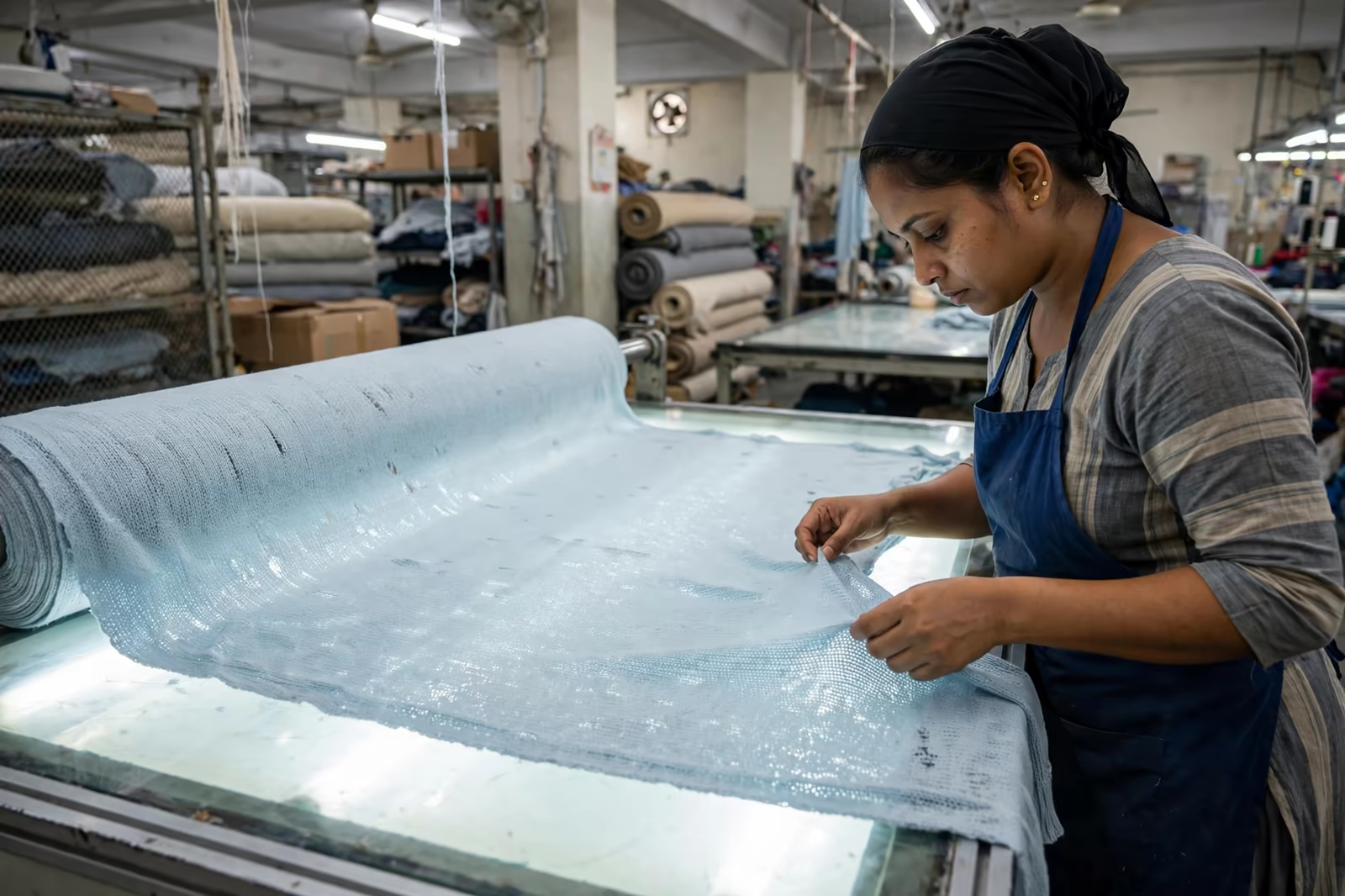
Basics live or die on repetition: the ten-thousandth tee must match the first in size, shade and stitch. Bangladesh’s basics culture is built precisely on that repetition, factories whose quality systems, inline checks and shade disciplines were drilled by decades of high-volume basics buyers.
Cambodia’s quality culture grew under large international brand programmes, with strong compliance departments and process discipline in its established factories. Consistency there is real, though it sits downstream of the imported fabric question, since no sewing discipline can correct cloth that arrives wrong.
The buyer’s tools are the same in both: clear specifications, approved samples kept as references, AQL-based final inspection, and the discipline to read reports properly. Country choice sets the starting conditions; factory choice and buyer discipline decide the outcome.
Frequently Asked Questions
Which is cheaper for basic apparel, Bangladesh or Cambodia?
They compete closely on sewing cost, and both are value sources for basics. Bangladesh often wins the full programme economics on knit basics because fabric is produced domestically, printing and embroidery sit in-house, and repeat-order consistency is practised at scale. Cambodia can price well on stable styles with efficient fabric channels. Compare landed cost per programme, duties and freight included, rather than assuming a permanent winner.
What is the biggest structural difference between the two?
Vertical depth. Bangladesh spins, knits, dyes and finishes fabric domestically around locally owned factories, so a garment’s journey can stay inside one industry. Cambodia’s factories, commonly foreign-owned, have historically worked on a cut-make-trim model with fabric imported from regional mills. That difference decides how fabric development, shade corrections and fabric problems are handled on your programme.
Does Cambodia still get duty-free access to Europe?
Partially, and it must be checked product by product. Cambodia’s European preferences were reviewed in recent years and some lines lost duty-free treatment, while many garment lines retained access. Bangladesh’s preferences also carry rules-of-origin conditions. For any programme, confirm the current duty position for your exact product classification and destination before costing, with your forwarder or customs adviser.
Should I split my basics range between both countries?
Many buyers do, and it works well: fabric-led, colour-rich and decorated basics where vertical depth helps, stable styles through whichever factory relationship is stronger. Keep specifications, testing and quality standards identical across both so the range reads as one, and let each country’s factories carry the programmes their structure serves best.