
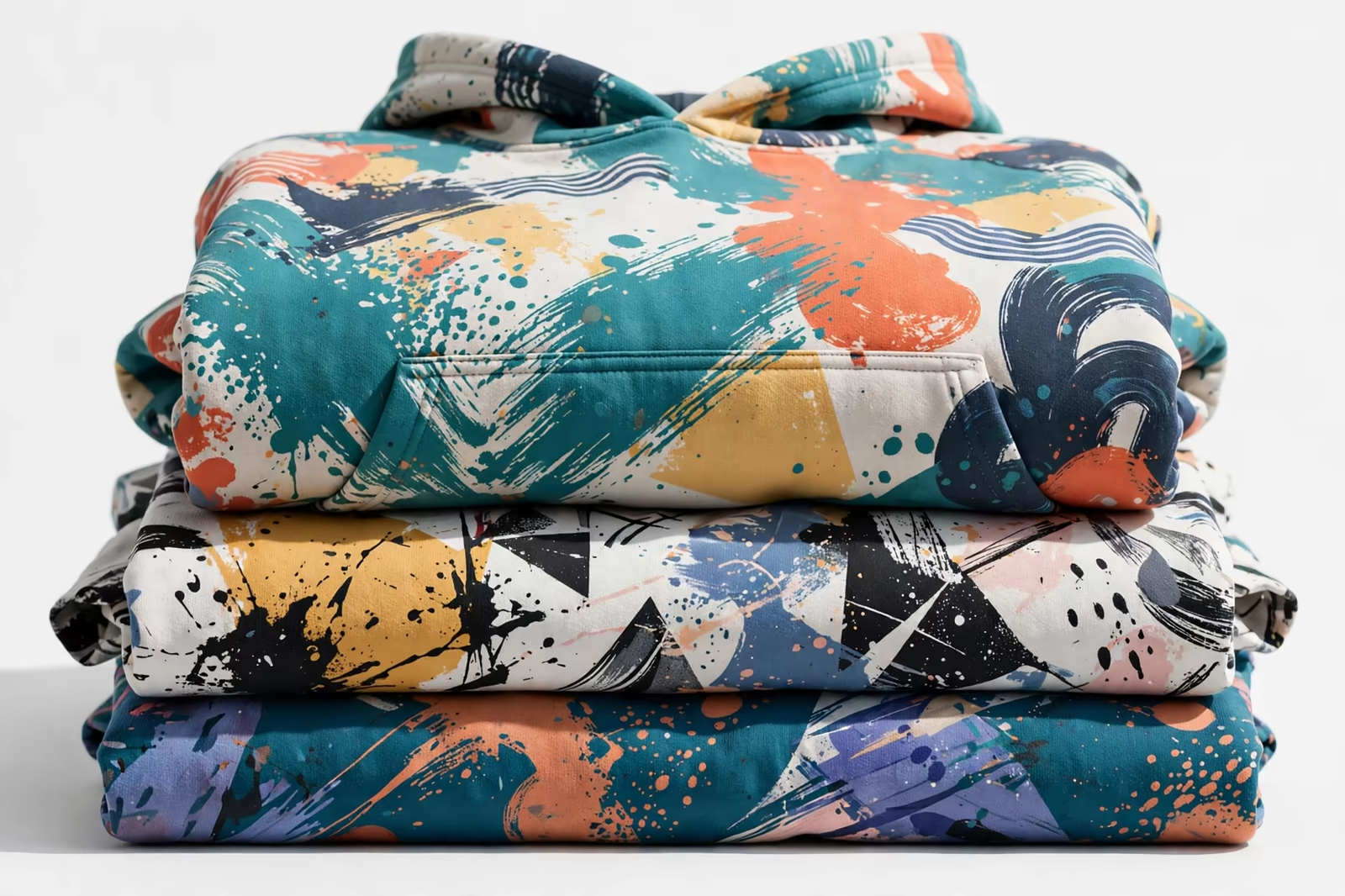
Every band and creator reaches the same doorway: the audience is real, the designs exist, and the gap between a drawing on a screen and a box of garments that fans will pay for suddenly looks like the whole business.
Merch is where creative careers become commercial ones, and it is unforgiving of innocence: print quality, sizing, minimum quantities and cash flow all arrive at once. This guide walks the crossing properly, for musicians, streamers and independent brands sourcing from a clothing manufacturer in Bangladesh for fans in the USA, the UK, Germany, Canada and Australia.
The good news is structural: fans forgive many things, but they reward quality with a loyalty no advertising can buy. The guide’s job is to make sure the first production run earns it.
The First Range: Small, Strong, Unmistakable
First ranges fail by ambition: twelve designs, six garments, every colour, and a stockroom that looks like a closing-down sale. The ranges that work open narrow and deep, a few pieces that carry the identity unmistakably.
- One hero garment in the design the audience already loves
- One premium piece for the fans who buy the best version of everything
- One accessible piece at the price a casual follower can reach
- Colours limited to the palette the brand actually owns
- Every design tested on the audience before it is tested on fabric
- Stock depth behind the hero, not spread across the experiments
Audience testing is the creator economy’s unfair advantage: the comments, polls and pre-orders tell you what will sell before you have spent anything on producing it.
The Garments Fans Actually Want
Merch garments live a double life: they are fan signals in public and ordinary clothes at home. The pieces that succeed honour both lives, with fits and fabrics drawn from what the audience already wears.
- The oversized streetwear tee is the current uniform of music and creator culture: the oversized streetwear t-shirt
- The hoodie is the premium anchor of nearly every successful range: the pullover hoodie
- Caps and beanies carry the mark at the gentlest price
- Long-sleeves and sweatshirts bridge the seasons between drops
- Fabric weight matters: fans compare your tee with their favourite band’s
Our standard minimum of 1,200 pieces per style in up to two colours is the production reality the range must be designed around, which is exactly why it opens narrow: depth behind two heroes beats a whisper of twelve designs.
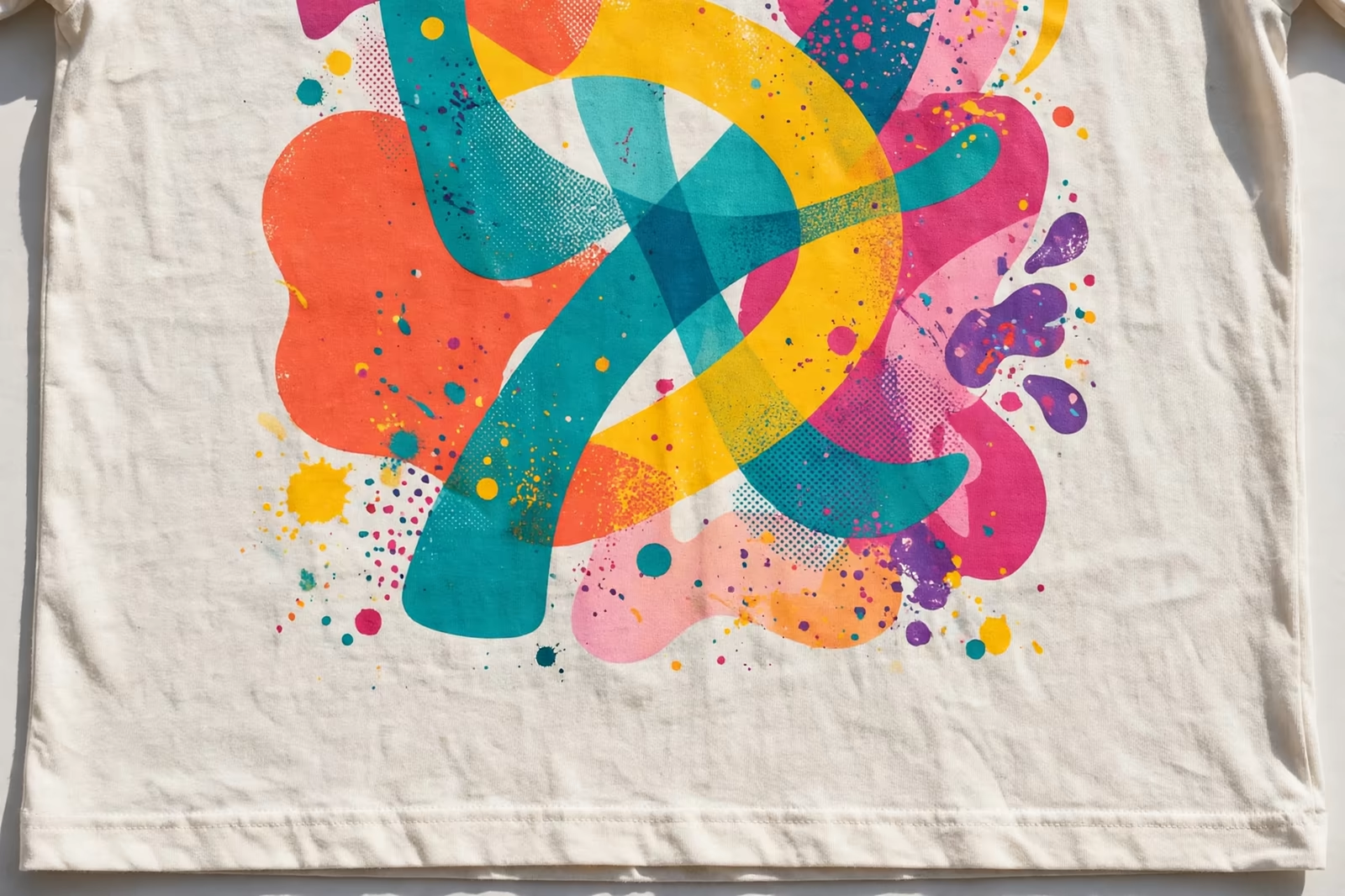
Print and Embroidery: Where Quality Is Judged
Fans judge production quality at the print. It is the part they touch, photograph and compare, and it is where bedroom brands are separated from production brands in a single wash.
- Screen print for bold designs at volume, with soft-hand finishes where the design allows
- The method guide lives on the screen printing page; read it before approving artwork
- Embroidery for small marks, caps and the premium line
- Artwork supplied as production files, not screenshots and hope
- One physical sample approved before the run, worn and washed by you
The sample rule protects everything: it is the last moment a mistake costs a shirt instead of a stockroom. Wear it, wash it, photograph it in the light your fans will see it in.
Pre-Orders and the Cash Question
Merch production is paid for before it is sold, which makes the first run a finance problem wearing a design problem’s clothes. The creator economy’s answer is the pre-order: demand proven and partly funded before production commits.
- Pre-orders sized honestly against the minimum quantities production needs
- Delivery expectations stated plainly; fans accept waits they are told about
- A reserve held back from pre-sale for exchanges and the inevitable size regrets
- Launch stock split between the drop, the tour or event, and the store
- Margins calculated after freight, duties, fees and returns, not before them
Fans are remarkably patient with creators they trust and remarkably unforgiving of silence. The pre-order contract is mostly communication: dates given, updates kept, delays confessed early.
There is a discipline hidden in that: the pre-order window should end before production must be confirmed, with the count treated as the floor of demand rather than its ceiling. Fans who missed the window become the launch-day queue, which is the healthiest shape a first drop can take.
Sizing for an Audience You Know by Name
Creators hold a data advantage most brands would envy: they know their audience’s demographics precisely, from the platforms that built them. The size curve should be built from that knowledge rather than from retail averages.
- Audience age and region data shaping the curve from the start
- Gender split of the actual following, not of the general market
- Oversized fits sized by their real measurements, clearly charted
- An exchange reserve weighted to the boundaries fans hesitate between
- Every drop’s sales recorded by size for the next drop’s forecast
The second drop is where this pays: its curve is drawn from the first drop’s evidence, its hero is proven, and its production conversation starts from knowledge instead of from hope.
Drops, Tours and the Rhythm of Scarcity
Creator merch sells in rhythms: the drop, the tour, the album or series moment. Planned together, they compound; improvised separately, they cannibalise each other’s stock and attention.
- A drop calendar tied to the creative calendar, not to the stockroom’s panic
- Tour stock treated as its own allocation, travelling with its own spares
- Evergreen designs kept alive between drops for the everyday store
- Limited pieces genuinely limited, because audiences audit scarcity
- Restocks announced honestly; manufactured urgency eventually gets priced in
Scarcity is a promise like any other. Keep it, and each drop opens to an audience that believes the deadline; break it, and you have taught your own fans to wait for the discount that always comes.
Whose Artwork Is It? Rights Before Production
Merch runs on artwork, and artwork has owners. The drawing by a fan, the album cover by a commissioned designer, the photograph by a collaborator: each carries rights that a production run multiplies into legal exposure if they were never settled.
- Commissioned artwork covered by a written agreement that includes merch use
- Fan art used only with the artist’s clear, recorded permission
- Photography licensed for products, not merely for posting
- Band and project names checked for conflicts before printing at scale
- Agreements kept with the production files, permanently
This is the least romantic section of any merch guide and the one that saves careers. Settle rights while everyone is friendly and the numbers are small; the same conversation after a successful drop has lawyers in it. A one-page agreement, signed when the artwork is commissioned, is the cheapest insurance in the entire merch business and the one most often skipped.
The Second Drop: Where the Business Starts
If the first drop is an experiment, the second is a business decision, because it is made with evidence: which design the audience actually bought, which sizes vanished, which garment earned the compliments and which earned the returns.
The second drop corrects the first one’s curve, deepens its proven hero, retires its weakest piece without sentimentality, and negotiates production from the confidence of a reorder. Creators who reach it with their records intact discover that merch stops feeling like a gamble at exactly this point, and starts behaving like the reliable income their audience always wanted it to be.
Keep the first drop’s files like a label keeps its masters: artwork finals, size data, the sample, the supplier correspondence and the honest list of what went wrong. That folder is the difference between a second drop that takes weeks to arrange and one that takes a season of apologies.
The Merch Table: Selling Where the Music Is
Live selling remains merch’s beating heart, and the table at a show obeys its own craft: a queue that formed during the encore, payment taken in noise and poor light, and stock that must be counted back in a van at midnight.
- One of each design displayed at height, priced visibly from the queue
- Sizes staged in grab order behind the seller, never in storage logic
- Card payment tested in the venue before doors, with an offline fallback
- End-of-night counts reconciled nightly; tour stock is a travelling system
- The table staffed by people who know the music, because fans can tell
The midnight count is the discipline nobody photographs. Tours that reconcile nightly know what they own every morning; tours that do not discover their stock position at the worst show of the run, in front of the longest queue.
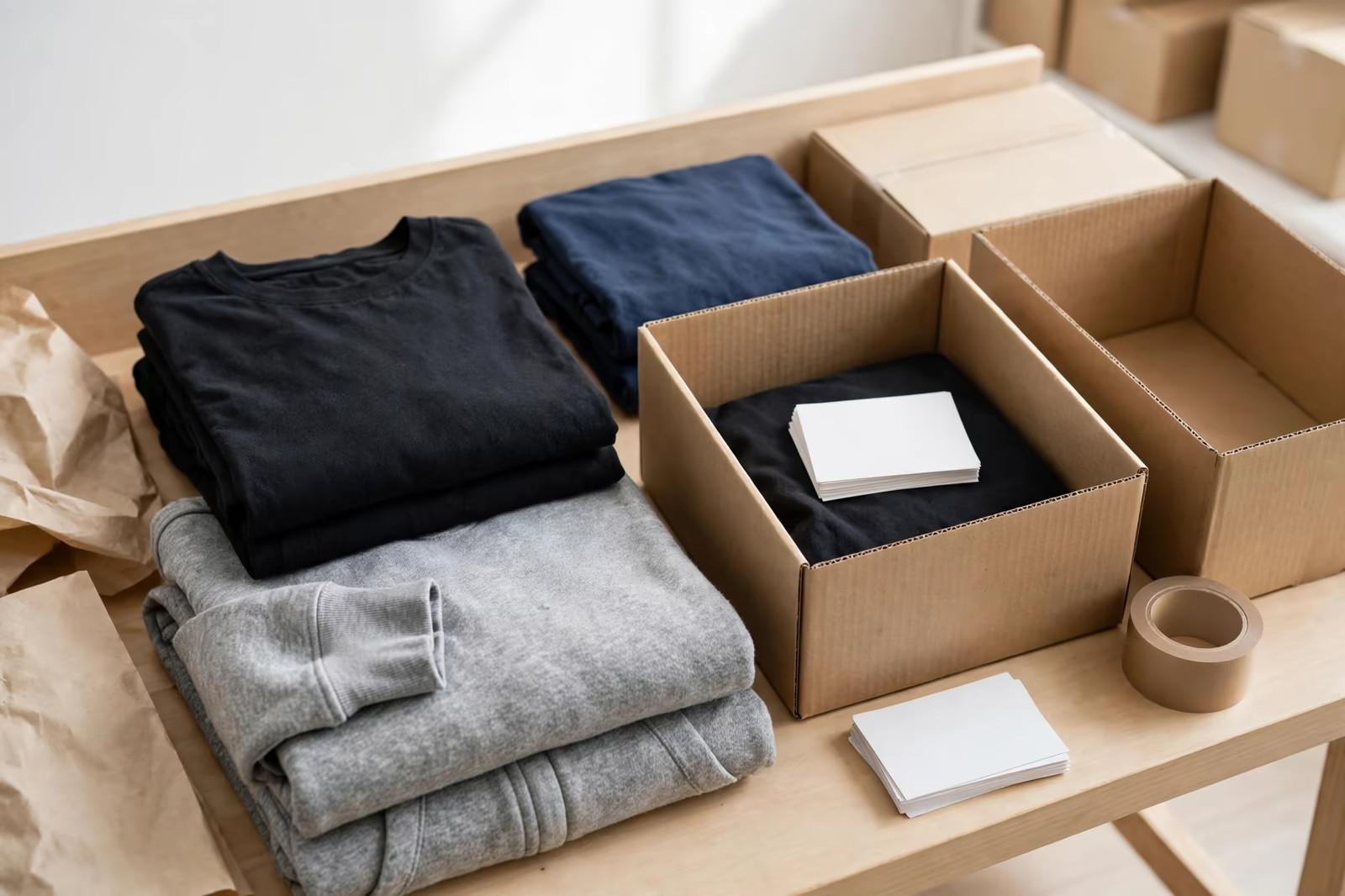
Fulfilment: The Unboxing Is Part of the Product
Online merch arrives as a parcel, and the parcel is the brand’s only physical handshake with most of its audience. Its quality is therefore production quality too, planned with the garments rather than improvised at the packing bench.
- Folding and bagging specified at production so fulfilment starts finished
- A card, a sticker, a note: the small evidences that a human packed it
- Sizes double-checked at pick; a wrong size costs three journeys, not one
- Returns and exchanges answered at the speed the audience lives online
- Packaging honest and light; fans audit waste as keenly as quality
Creators who pack this way get photographed twice: once for the garment, once for the opening. Both photographs are marketing the production budget already paid for.
Frequently Asked Questions
How many designs should a first merch range have?
Few, carried deeply: typically a hero garment, a premium piece and an accessible piece, in a disciplined palette. Audience testing and pre-orders should choose them. Twelve shallow designs split the minimum quantities into weakness; three strong ones concentrate it into stock that sells. The audience reads a focused range as confidence, and confidence is the first thing a new merch brand is actually selling.
Can a small creator meet factory minimum quantities?
By designing the range around them: fewer styles, depth behind the heroes, pre-orders proving demand, and garments shared across designs where colour allows. The minimum is a design constraint like any other, and the ranges that respect it look more professional, not less. The arithmetic improves further when designs share a garment: two prints on one hoodie body are one style to production and two products to the audience.
What quality checks matter most before a run?
The physical sample, worn and washed, judged for print hand-feel, colour truth and fit against the chart. Approve nothing from photographs alone. The sample is the contract between your audience’s expectations and the factory’s machines, and it costs one garment.
Should merch be limited edition or always available?
Both, in layers: an evergreen core that any new fan can always buy, and limited drops that reward the audience that was there at the moment. The core funds stability; the drops create the events. Programmes with only one layer leave either money or excitement unclaimed.