
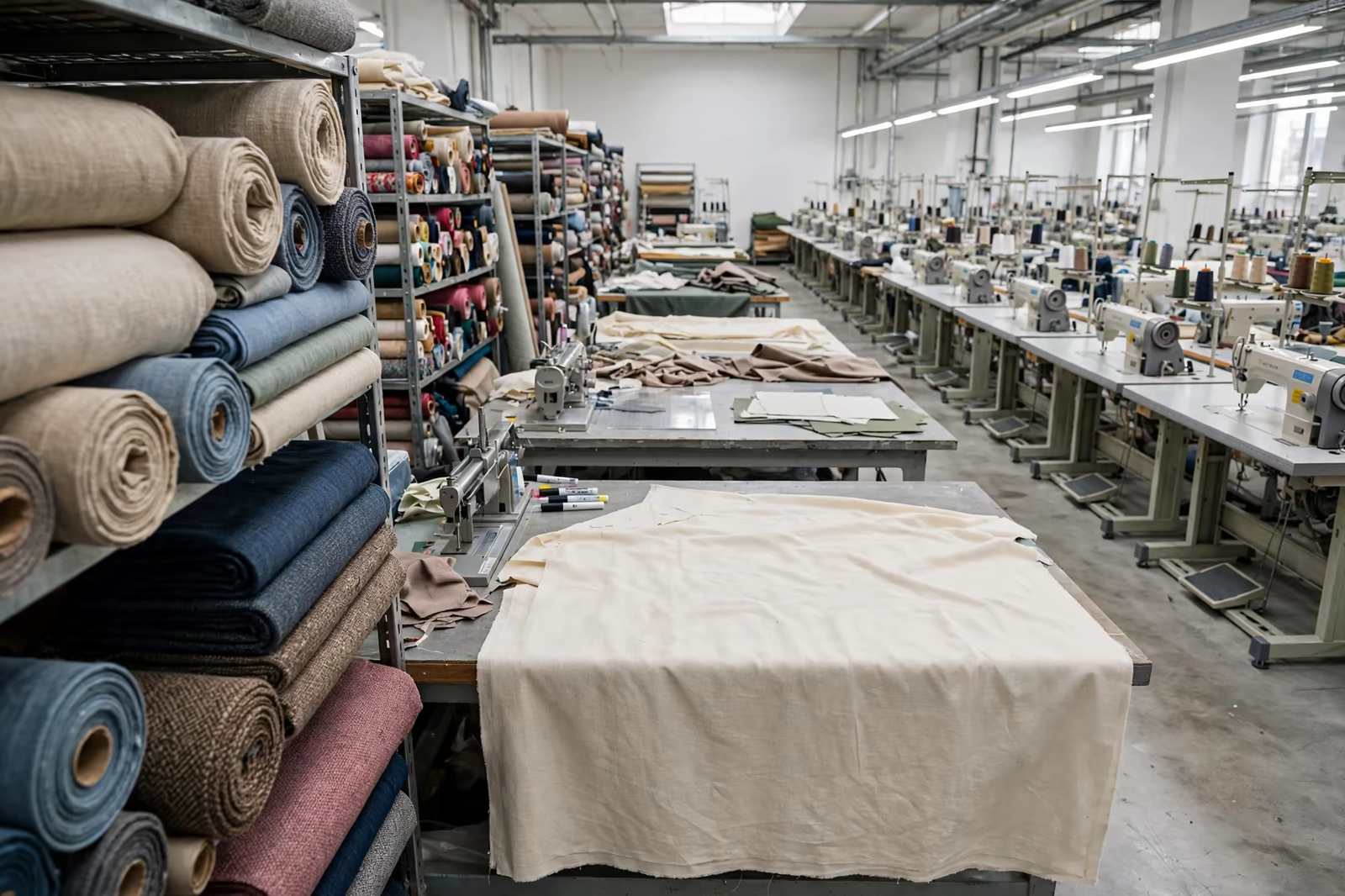
A factory visit is the most information-dense day in a buyer’s year: in a few hours on the floor you learn what months of email cannot teach, about capability, honesty and how your order will actually be treated.
It is also easy to waste. Factories host visitors constantly and can stage-manage a tour the way theatres stage a play. This field guide prepares the buyer to see past the performance to the production, for buyers in the USA, the UK, Germany, Canada and Australia planning a working visit to a clothing manufacturer in Bangladesh.
Bring a notebook, comfortable shoes and a short list of things you intend to verify. The visit that starts with questions ends with knowledge.
Before You Travel: The Visit Designed on Paper
The productive visit is planned like an audit, not a holiday. Decide in advance what evidence you need, tell the factory honestly what you want to see, and schedule the day so the evidence has time to appear.
- Your verification list: capability, quality system, capacity, your product’s path
- The stages you want to walk in order: fabric store, cutting, sewing, finishing, packing
- Work in progress for buyers like you, requested explicitly and in advance
- Meetings named: production, quality and the people who will run your order
- Your own samples and documents carried, so comparisons happen on the spot
- Time protected at the end for the honest conversation, without the tour’s momentum
Surprise has a place in verification, but the first visit is a partnership ritual as much as an inspection. Announce your interests and let the factory prepare its real answers; the staging, if any, will reveal itself in the seams, usually within the first hour of honest walking.
Reading the Floor: What to Look At
The floor speaks in details that tours rarely narrate. Read the systems, not the showcase: how work flows, how it is checked, and what the state of ordinary things says about extraordinary claims.
- Fabric storage: rolls identified, protected, and traceable to orders
- Cutting: markers, lay planning and the discipline of the tables
- Sewing lines: balance, work in progress levels, and the pace’s honesty
- Inline inspection happening as routine, not performed for the visitor
- Finishing and packing: where export quality becomes visible or dies
- Housekeeping as data: order in small things predicts order in large ones
Our own operation is introduced on the about us page; the visit tests whether the introduction and the floor agree. That agreement, in any factory, is the single most valuable finding a buyer can carry home.
Photograph systematically where permission allows: not the showcase, but the systems, the records board, the inspection table mid-work, the packing standard as it stands. Back home those images brief colleagues who will never visit, and a season later they show you what your memory politely edited.
The Questions Only a Visit Can Answer
Some knowledge exists only in person: in the answers of floor staff, the state of the records, and the gap between what the office says and what the line shows. The visit’s questions are therefore different from the email list.
- Show me this week’s inspection records for a running order
- Who stops the line when quality fails, and when did it last happen?
- Where does a new style’s first hour get watched most closely?
- What does the rework area hold today, and what put it there?
- Which buyer’s standards changed how you run this section?
- What would you show a buyer who wanted to see your worst day?
Ask them standing in the relevant place, of the people who work there. Answers given at the machine, with the work in view, have a texture no conference room reproduces.
Your Product on Their Floor
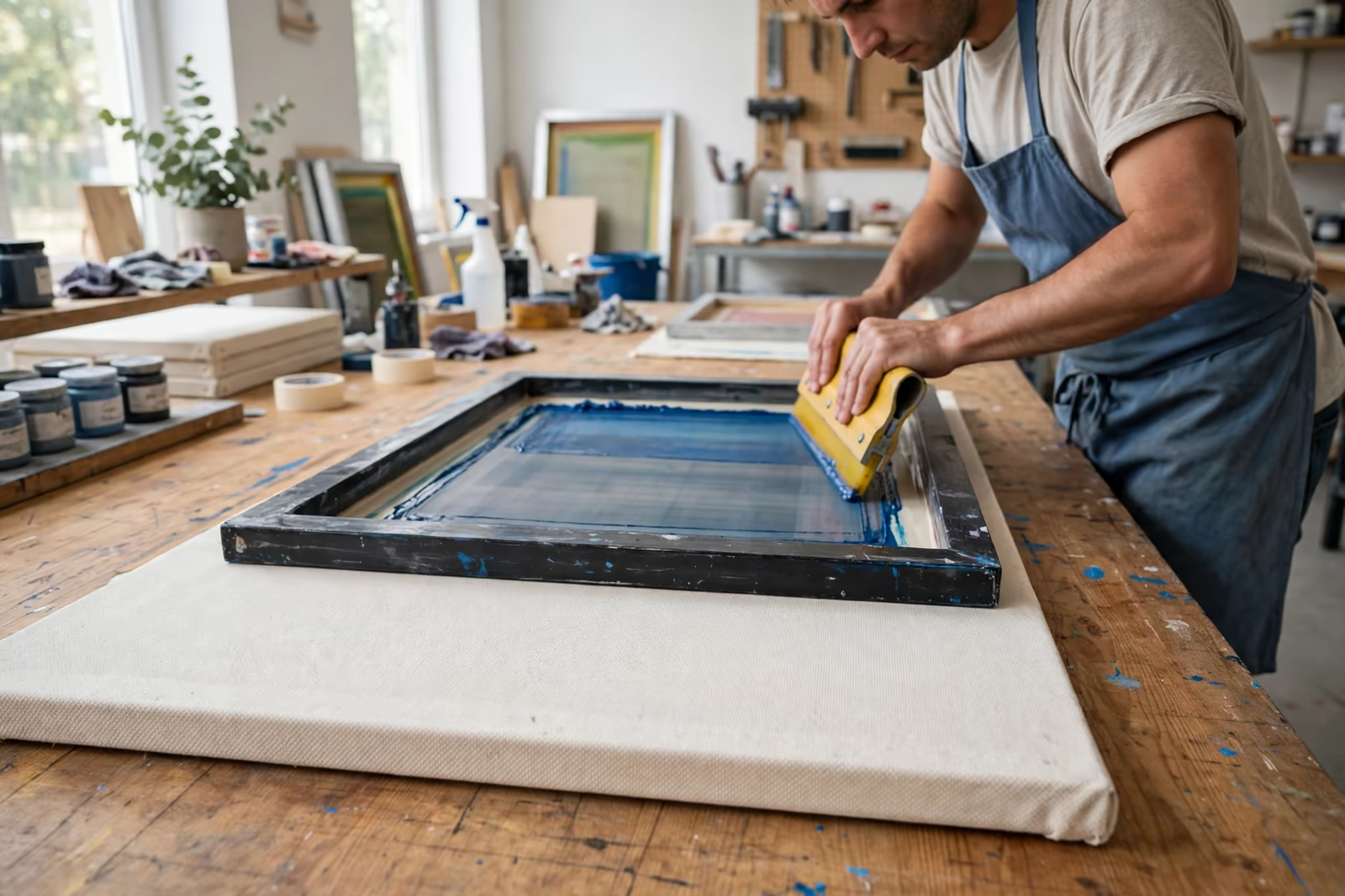
The visit sharpens when it becomes specific to your order. Walk your own garment’s journey through the building: where its fabric waits, which line type sews it, where its print or embroidery happens, and how it leaves.
- The line configuration your product needs, seen running on similar work
- The embellishment process in operation, with its quality checks visible
- Capacity for your quantities discussed against the visible order book
- The sample room: who interprets your tech pack, and how corrections loop
- Packing and carton standards demonstrated, not described
Our standard minimum of 1,200 pieces per style in up to two colours is the scale this walk is calibrating. End it knowing, physically, where every stage of your order will happen and whose hands it passes through.
The Human Reading
Factories are people before they are capacity, and the visit is where the relationship’s character is set. Read the management’s candour, the staff’s ease, and how problems are discussed when the visitor is standing inside them.
- Problems named openly, with causes, are the sound of a safe factory
- Staff answering directly, without waiting for permission, signals health
- The meal, the tea, the unscripted minutes: where the real culture lives
- Your own conduct audited too; you are being vetted with every question
- The markets the factory serves, on the market area map, discussed as strategy
Buyers remember the visit’s findings; factories remember the visitor’s manners. Both memories price the next order, which is why the field guide’s last rule is to be the guest you would want deciding your future.
Ask, before you leave, what the factory would change about how buyers work with it. The answers are candid in direct proportion to the day’s honesty, and they hand you the cheapest improvement list in sourcing: the frictions your own side creates, described by the people who absorb them.
After the Visit: Writing It Down
Within a day, convert the visit into the record while the evidence is warm: what was verified, what was promised, what remains open, and what the order documents must therefore say. Share it with the factory for correction, exactly as you would an evaluation.
- Findings filed against the vetting scorecard, section by section
- Promises quoted back with dates, for confirmation in writing
- Open questions listed with owners and deadlines on both sides
- Photographs organised and shared as agreed with the host
- The next step agreed: trial order, sample round or a return visit
Arrange the next visit or the follow-up conversation before you leave, through the same contact channels that arranged the first. Relationships in this industry are built in person and maintained in writing, and the visit you have just made deserves both honours.
File the visit beside the vetting documents and the sample evaluations, where the next buyer in your chair will find it. Institutional memory is the difference between a company that learns Bangladesh once and a company that re-learns it expensively with every change of staff.
The Practical Frame Around the Day
The working visit sits inside ordinary travel reality, and handling that reality professionally is part of the impression both sides take home. Prepare the frame with the same care as the questions.
- Entry requirements checked from official sources, current at travel time
- The factory’s working week and holidays respected in the scheduling
- A buffer day held against travel disruption, used for notes if unused
- Local arrangements agreed with the host, who knows the ground best
- Photography permissions asked and honoured exactly as given
- Dress and conduct suited to a working floor: practical, modest, safe
None of this is bureaucracy. A visitor who arrives prepared, rested and correctly expected spends the day on evidence; one who arrives improvising spends it on logistics, and the floor’s ordinary rhythm, the thing they came to see, ends before they are ready.
When You Cannot Travel: The Camera Visit
Distance and budgets are real, and the honest substitute for presence is a live, unscripted video walk of the floor, directed by the buyer’s questions in real time. Done properly it verifies far more than photographs or brochures ever can.
- The camera walks your route, in order, at your direction
- Records and documents shown live, pages turned on request
- Floor staff answering in the moment, not through a prepared script
- Your product’s stages located physically on the floor plan
- A follow-up list agreed on the call, with dates, in writing
Treat the camera visit as a rehearsal for the real one rather than a replacement for it. Programmes that begin remotely and visit when volume justifies the journey get the calibration in the right order, and the eventual handshake confirms a relationship that evidence already built, patiently and in the open.
When the Visit Disappoints
Some visits fail their subject, and the professional response is as structured as the preparation. A disappointing day is not a wasted one if its evidence is read honestly and acted on cleanly.
- Separate staging from incapacity: polish is forgivable, absence is not
- Test specific gaps with a sample round before writing the factory off
- Share the concerns plainly; the reaction is itself evidence
- Reduce the first commitment to trial scale while questions remain
- Walk away without theatre when the fundamentals are not there
Factories remember buyers who delivered bad news honestly and early far better than buyers who smiled on the floor and vanished in silence. The industry is smaller than it looks, and your reputation tours more factories than you ever will.
Frequently Asked Questions
How long should a factory visit last?
A full working day at minimum for a serious evaluation: the floor in its ordinary rhythm, meetings with production and quality, and the closing conversation without time pressure. Short ceremonial tours produce photographs; working days produce knowledge. If the programme is strategic, stay for a second day and watch a different shift rhythm; factories, like theatres, have a matinee personality and an evening one, and buyers benefit from meeting both.
What should I bring to a factory visit?
Your verification list, your product’s tech pack and samples, your measurement tools if you use them, and the questions this guide lists, adapted to your order. Bring also the courtesy of preparation: a factory that sees a serious buyer responds with its serious people.
Can a visit be staged, and how do I tell?
Partially, and the seams show: records produced too perfectly, staff who defer every answer upward, work in progress that matches the brochure too exactly, and a rework area that is suspiciously empty. Read systems and records rather than displays, and ask the unscripted questions standing at the machine, where scripts run out.
Is a visit necessary before ordering?
Not always, but its substitutes must be honest ones: unscripted live video, third-party inspection during first production, and a staged trial order. For a long-term programme at real volume, one working visit repays itself for years in calibration, relationships and problems that never happen. It also changes the email relationship permanently for the better: after a day on the floor together, messages carry faces, voices and a shared picture of the work.