

The first payment to a new overseas supplier is the loneliest moment in sourcing: the money leaves, and for a while nothing exists but trust and documents. Buyers cannot remove that moment, but they can structure it, choosing the payment method, currency and verification steps that make a first order safe enough to place and a second one easy. This guide explains the toolkit honestly.
The commercial desk behind this guide receives first orders from buyers in the USA, the UK, Germany, Canada and Australia, and structures payment with new apparel buyers in Bangladesh every season. The principles below are the ones that protect both sides, because a factory that wants long programmes also wants the buyer’s money to arrive safely.
The arrangements sit on our payment terms page, inside the framework of our terms and conditions, and a first conversation runs through our contact page.
The Currencies Apparel Trades In
Export apparel from Bangladesh is conventionally priced and paid in US dollars, the trade’s default currency, with euros common on European programmes and pounds appearing on UK-focused arrangements. The invoice currency is agreed at quotation, and it quietly decides which side carries the exchange-rate movement between order and payment.
For the buyer, paying in a foreign currency means their own bank converts at its rates, with spreads that vary more between banks than most buyers realise. Asking your bank its full cost of an international payment, rate and fees together, before the first order rather than after the first statement, is an easy win.
Agree also what happens if rates move sharply on a long programme: most relationships simply hold the quoted price for the confirmed order and requote the next, which is stable and fair, rather than building adjustment clauses into ordinary clothing orders.
The Agreement Underneath the Money
Payment safety is built on paper before it is built on instruments: a proforma invoice or order confirmation that states the goods, quantities, price, currency, trade term, shipment window and the payment structure itself, signed or confirmed by both sides. When a dispute comes, this document is the relationship; memory and chat threads are commentary.
It should also name the boring particulars: which documents trigger which payment stage, what inspection rights the buyer has, how shortages or quality claims are settled, and which law and place govern the agreement. Most orders never open these clauses; the ones that do are grateful they were written calmly at the start.
Keep one master copy, versioned, that both sides work from. Money sent against “the latest email” rather than an agreed proforma is money sent on a rumour.
Telegraphic Transfer: The Default, Done Properly
The ordinary bank transfer, TT, moves most apparel money in the world: the buyer instructs their bank, the funds travel through correspondent banks to the supplier’s account, and the supplier sees cleared money. Its safety lies not in the mechanism but in the verification wrapped around it.
Verify bank details out of band. The classic fraud in international trade is the intercepted email: a genuine invoice with substituted bank details attached. Confirm the account name, bank and account number through a second channel, a call to a known number or a message thread you started, before the first payment, and treat any later “our bank account has changed” email as hostile until proven otherwise by voice.
The account name should be the company’s trading name, matching the contract and the invoice. Payments to personal accounts, or to accounts in a different country from the supplier’s, are the trade’s loudest alarm bells and should stop the payment until explained.
The Letter of Credit: Protection With Paperwork
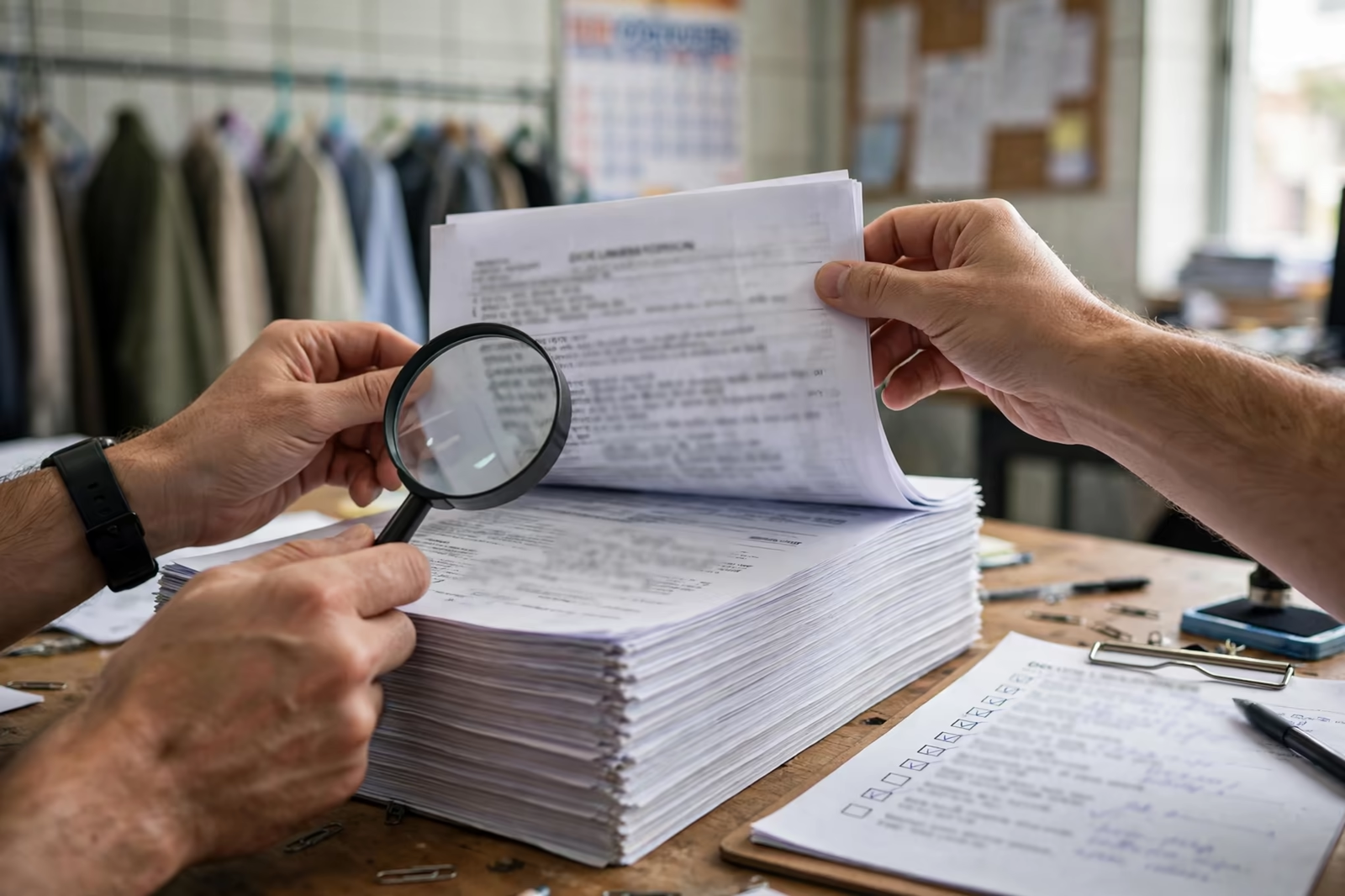
For larger first orders, a letter of credit moves the trust from the supplier to the banking system: the buyer’s bank undertakes to pay when the supplier presents documents proving shipment as specified, the invoice, packing list and bill of lading at the core. The supplier ships knowing the bank stands behind the buyer; the buyer knows payment releases only against the agreed documents.
The price of that protection is rigidity. Every document is examined against the credit’s exact wording, and discrepancies, a misspelled name, a late shipment date, a port named loosely, can delay or endanger payment until the buyer waives them. Credits suit buyers with bank facilities and documentation discipline, and orders large enough to carry the bank charges on both sides.
Agree the credit’s terms in draft before issuance: a credit written around documents the supplier can actually produce, with realistic shipment and presentation windows, protects both sides; a copied template with impossible clauses protects neither.
Escrow and Platform Assurance
Between the bank transfer and the letter of credit sits a middle shelf: escrow arrangements and the trade-assurance programmes of the large sourcing platforms, where a third party holds or guarantees funds until shipment evidence appears. For smaller buyers ordering through those platforms, they convert an unknown supplier’s promise into a process with a referee.
Their limits deserve equal clarity: protection typically covers the order placed through the platform’s own channel on its stated terms, and disputes run on documents and deadlines the buyer must still manage. Direct factory relationships, which most serious apparel programmes become, move beyond platform protection quickly and rely on the bank-based structures above.
Treat assurance as scaffolding for the first orders, not as the building: useful while trust is built, gradually replaced by terms the two businesses negotiate themselves.
Staged Payments: The First-Order Compromise
Where a full credit is heavy and a full advance is brave, staged terms split the journey: a deposit portion with the order, the balance against documents or before shipment, in proportions both sides can live with. The structure shares risk: the supplier is not funding a stranger’s production alone, and the buyer is never fully exposed ahead of evidence.
The evidence points matter more than the percentages. Balance against a copy bill of lading and a passed independent inspection is a very different risk from balance against a proforma and a promise. Tie each stage to a document or an event you can verify, production photos and inspection reports included.
As orders repeat, terms usually soften on both sides, open-account elements appear, deposits shrink, because the cheapest security in trade is a payment history. First-order structure is the toll for starting that history.
Verifying the Supplier Before Any Money Moves
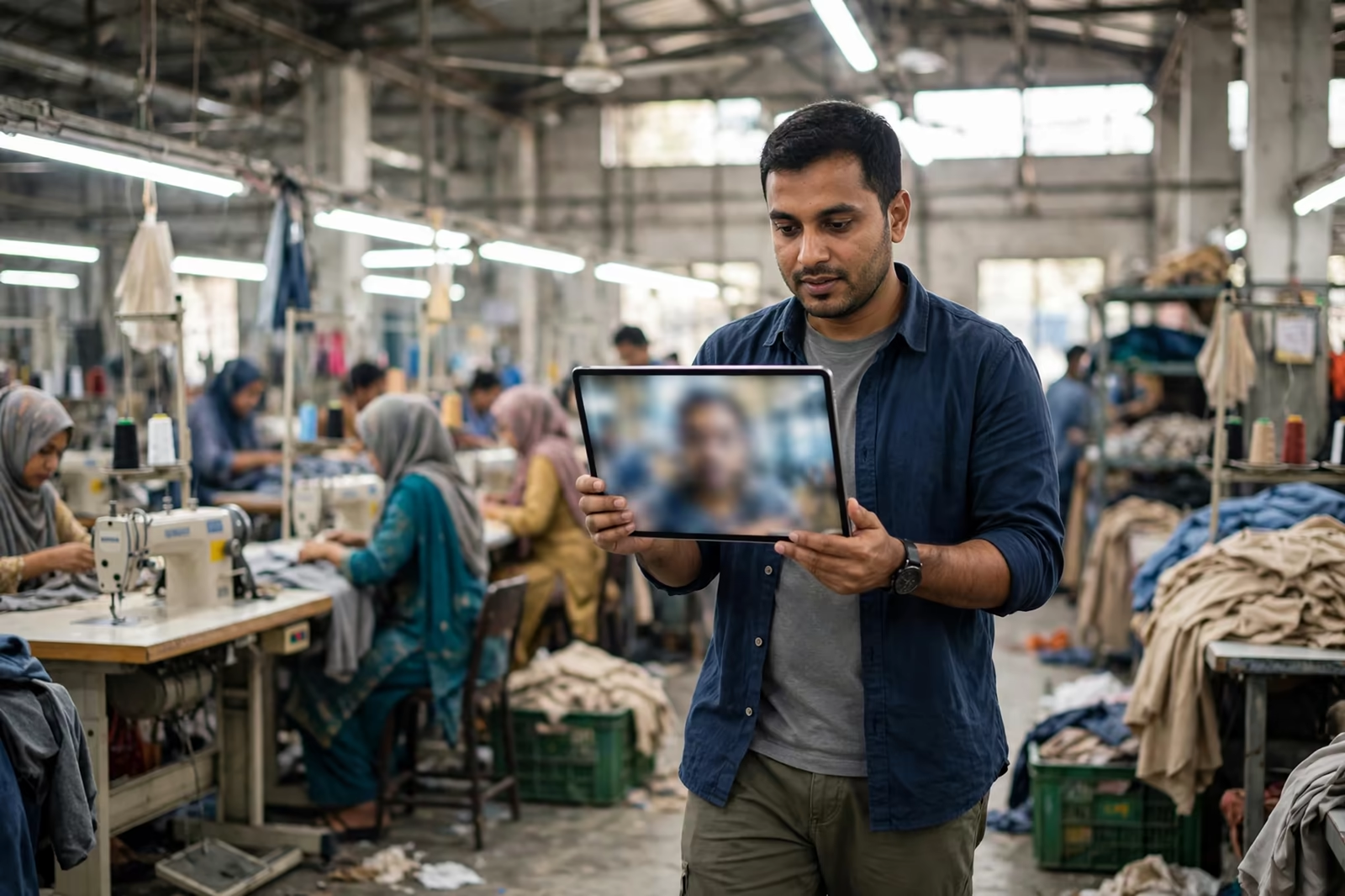
Payment safety starts before payment: confirm the company exists as claimed. Business registration, an export track record, a physical factory you or an agent has seen, references from other buyers, and consistency between the website, the documents and the people you speak to. Fraudulent operations are usually thin in at least one of these, and depth is hard to fake across all of them.
A video walk through the production floor, a video call with the merchandising team, a third-party inspection booked for the first order, and samples produced and shipped before bulk terms are agreed all convert claims into evidence cheaply. Suppliers who welcome verification are telling you something; suppliers who resist it are telling you more.
On our side, we expect exactly this scrutiny from new buyers and build our paperwork so it survives it: consistent documents, a named team, and factory access for visits or appointed inspectors.
Fraud Patterns Worth Knowing by Name
Three patterns account for most losses. The substituted bank details described above, arriving as a plausible email near payment day. The cloned supplier: a copied website and letterhead of a real factory, run by strangers with a similar domain, collecting deposits until they vanish. And the vanishing deposit artist: genuine-looking quotations priced below the market’s floor, because nothing will ever be produced.
Each fails the same tests: details verified through independent channels, a domain and company history that match, prices that respect the arithmetic of fabric and labour. A quotation dramatically below every other is not a discovery; it is the pattern introducing itself.
Keep payment conversations inside known channels, and re-verify any change of bank, contact or company name, however small the change seems.
What a Deposit Legitimately Funds
Buyers sometimes ask why a deposit exists at all. In made-to-order apparel, the factory commits real money from the first week: fabric and trims are sourced and bought for your specific order, production capacity is reserved, and none of it can be returned to a shelf if the buyer walks away. The deposit is the buyer standing inside that commitment alongside the factory.
That is also why deposits attach to stages of evidence: fabric arrival, cutting, inspection, shipment, so the buyer’s money is always walking one step behind proof. A supplier who reports and photographs those stages unprompted is spending the deposit in the open.
The arrangement should be symmetric in spirit: if the factory fails to ship conforming goods, the documents and inspection rights give the buyer their remedies, written into the agreement before the first transfer is made.
From First Order to Open Terms
Trust in trade is cumulative bookkeeping: orders shipped as agreed, payments arriving as promised, problems raised early and settled fairly. After a few clean cycles, both sides usually invest in the relationship’s cheaper future: smaller deposits, balances after shipment, occasionally open-account terms for the strongest partnerships.
Buyers earn those terms by being predictable payers; suppliers earn repeat orders the same way. Neither side should rush the other’s generosity in the first season: terms that outrun the evidence end relationships when something ordinary goes wrong.
Keep reviewing the structure as volumes grow, and let the paperwork keep pace with the trust. The goal state is boring: money moving quietly in the background of a programme both sides are busy growing.
Frequently Asked Questions
What is the safest way to pay a new overseas clothing supplier?
Structure rather than a single method: verify the company’s existence and bank details through independent channels first, then choose the instrument that fits the order, a letter of credit for larger first orders where both sides have the banking for it, or staged payments with each stage tied to verifiable evidence such as inspection reports and shipping documents. Full advance payment to an unverified supplier is the one arrangement to avoid.
How do I know a supplier’s bank details are genuine?
Confirm them out of band, through a voice call to a number you sourced independently or a channel you initiated, never solely from the email that carried the invoice. The account name should be the company’s trading name in the supplier’s own country. Treat any emailed change of bank details as a fraud attempt until you have verified it by voice.
In which currency should I pay for apparel from Bangladesh?
US dollars are the trade default, with euros common for European buyers and pounds used on some UK programmes; the invoice currency is agreed at quotation. What matters most is knowing your own bank’s full conversion cost, rate spread plus fees, and that the agreed currency decides which side carries exchange movement between order and payment.
When is a letter of credit worth its cost?
On larger first orders where the buyer has bank facilities and the discipline to write the credit around documents the supplier can genuinely produce. The bank’s undertaking replaces supplier trust, but documents are examined against the credit’s exact wording, so the terms must be agreed in draft before issuance. On smaller first orders, staged payments usually give most of the protection at a fraction of the friction.