
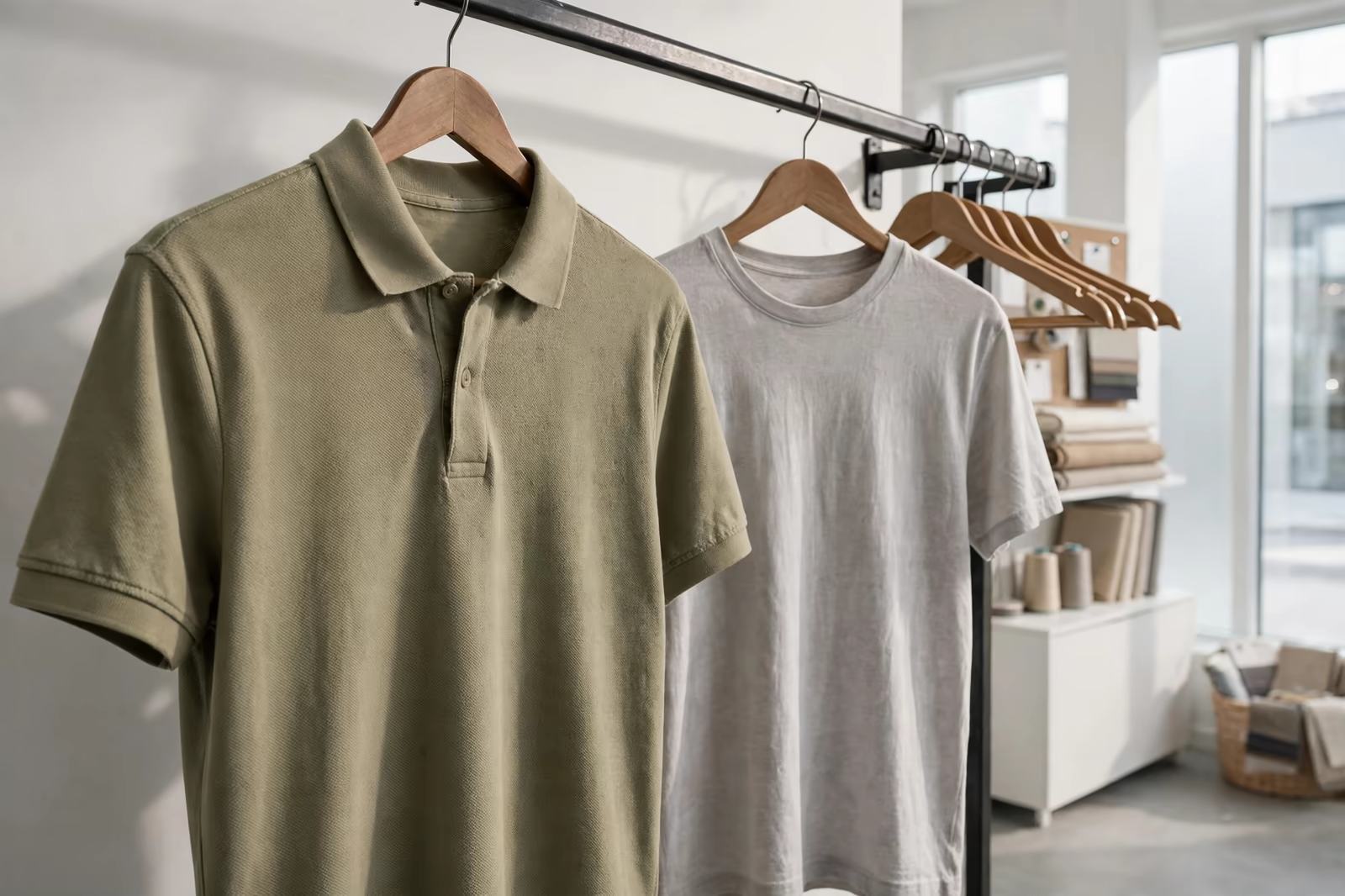
Every growing apparel brand reaches the same pleasant problem: the first product sells, the customers ask for more, and the range must widen without breaking the quality, the calendar or the factory relationship that made the first product work. Expanding with one factory, step by step, is the conservative path with the compounding returns. This guide sequences it, for buyers in the USA, the UK, Germany, Canada and Australia building a range with a clothing manufacturer in Bangladesh.
The principle throughout: each new product is a small, survivable experiment whose lessons are banked before the next one begins.
Why One Factory First
A single proven partner concentrates everything a growing range needs: shared standards, one communication channel, combined volumes that matter to the factory, and quality knowledge that transfers between products instead of restarting at zero.
- One quality language: measurements, tolerances and inspection already agreed
- Combined volume earning attention no single small style could
- Fabric and trim knowledge shared across the growing range
- One calendar to manage, one relationship to invest in
- Consistency of fit and finish that customers read as one brand
The range our factory supports is visible on the products pages and the brands we build for. Breadth inside one house is real breadth; the multi-factory stage has its own chapter, later, when volume rather than learning is the constraint.
Step One: The Adjacent Product
The first expansion stays close to home: a product sharing the core product’s fabric family, construction skills and customer. Adjacency keeps every variable but one familiar, so the experiment measures the new product rather than the whole system.
- Same fabric family, new silhouette: the lowest-risk widening
- Same silhouette, new fabric weight: a seasonal extension
- The core product reworked for an adjacent wearer or use
- Shared trims, labels and packaging carried across deliberately
- The new style sampled with the core product’s standards applied
Judge the adjacent product by the core product’s scorecard. When its first order scores within reach of the original’s, the system has learned; when it struggles, the struggle is contained to one style and one lesson.
Step Two: The Second Category
With adjacency proven, the range takes its first real step: a second category, chosen by customer logic rather than factory convenience. The customer who buys the first product should recognise the second as the same promise in a new form.
- Chosen from the customer’s actual basket, not the factory’s idle lines
- Developed with fresh sampling rigour, not adjacency’s confidence
- Priced and positioned inside the brand’s existing architecture
- Launched at trial depth, with the reorder path agreed in advance
- Reviewed after one full cycle before the third step is planned
Our standard minimum of 1,200 pieces per style in up to two colours keeps each step honest: trial depth is genuinely real depth, enough to prove demand and quality without betting the season on either.
Expect the second category to teach the factory as much as the brand: new machinery habits, new inspection points, new failure modes to learn together. Schedule that learning honestly, with the sample room given its repetitions, rather than demanding first-order perfection from a category neither side has run before.
Managing the Widening Calendar
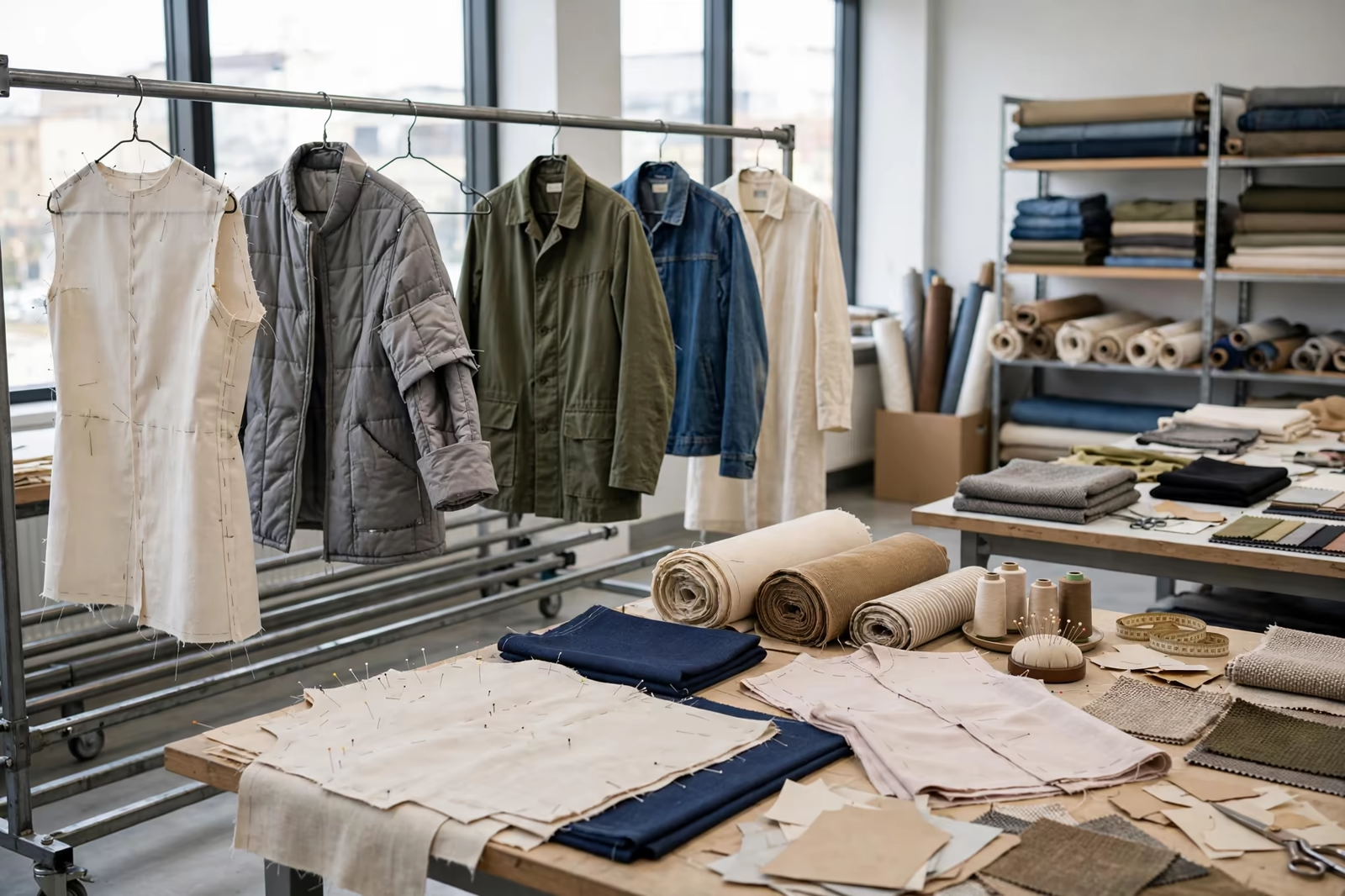
Each new product adds sampling rounds, approvals and production slots to a calendar that once held one style. The expansion succeeds or fails here, in the unglamorous arithmetic of shared capacity and staggered timing.
- Styles staggered so sampling peaks never collide
- Production slots booked against the factory’s real capacity rhythm
- Approvals batched by category to protect the approver’s attention
- A single range calendar both sides see, updated at every change
- Reorder cycles of proven styles protected from new-style enthusiasm
The factory’s candour is the calendar’s foundation. A partner who says a slot does not exist is protecting your launch; one who accepts everything is scheduling your disappointment. Believe the calendar you can see.
Keeping the Brand One Brand
As the range widens, consistency becomes a design discipline of its own: fit logic, fabric hand, label placement, packaging and quality thresholds held identical across categories, so the customer’s second purchase feels like the first one kept its promise.
- A written brand standard every new style is sampled against
- Fit blocks and grading logic shared deliberately across categories
- Labels, packaging and presentation identical unless redesigned globally
- Quality thresholds uniform; no category quietly graded softer
- New styles photographed and presented inside the same visual system
This is where one factory pays its deepest dividend: the standard lives in one building, carried by the same technicians from style to style. Ten factories would need ten teachings of the same lesson.
Write the standard down as the range grows, because memory does not scale across categories. The document that begins as one page of fit and finish notes for the core product becomes the brand’s constitution, amended by each new style’s lessons and binding on all of them equally.
Knowing When to Add a Second Factory
The one-factory chapter ends by evidence, not by restlessness: volumes the partner cannot schedule, categories outside its competence, or a risk profile that concentration no longer serves. Even then, the second factory enters as this guide’s steps began, with one adjacent product and a survivable trial.
Until that evidence appears, depth beats breadth in partners as in products. Start the expansion conversation through get a quote, with your core product’s history in hand, and let the range grow the way the first success did: one proven step at a time.
Keep a simple expansion ledger beside the scorecard: style, launch season, first-order verdict, reorder behaviour. Two pages of that ledger, reviewed each season, will time your steps better than any growth target, because they show the range’s actual learning rate, which is the only speed limit that truly matters in the end.
The Development Pipeline
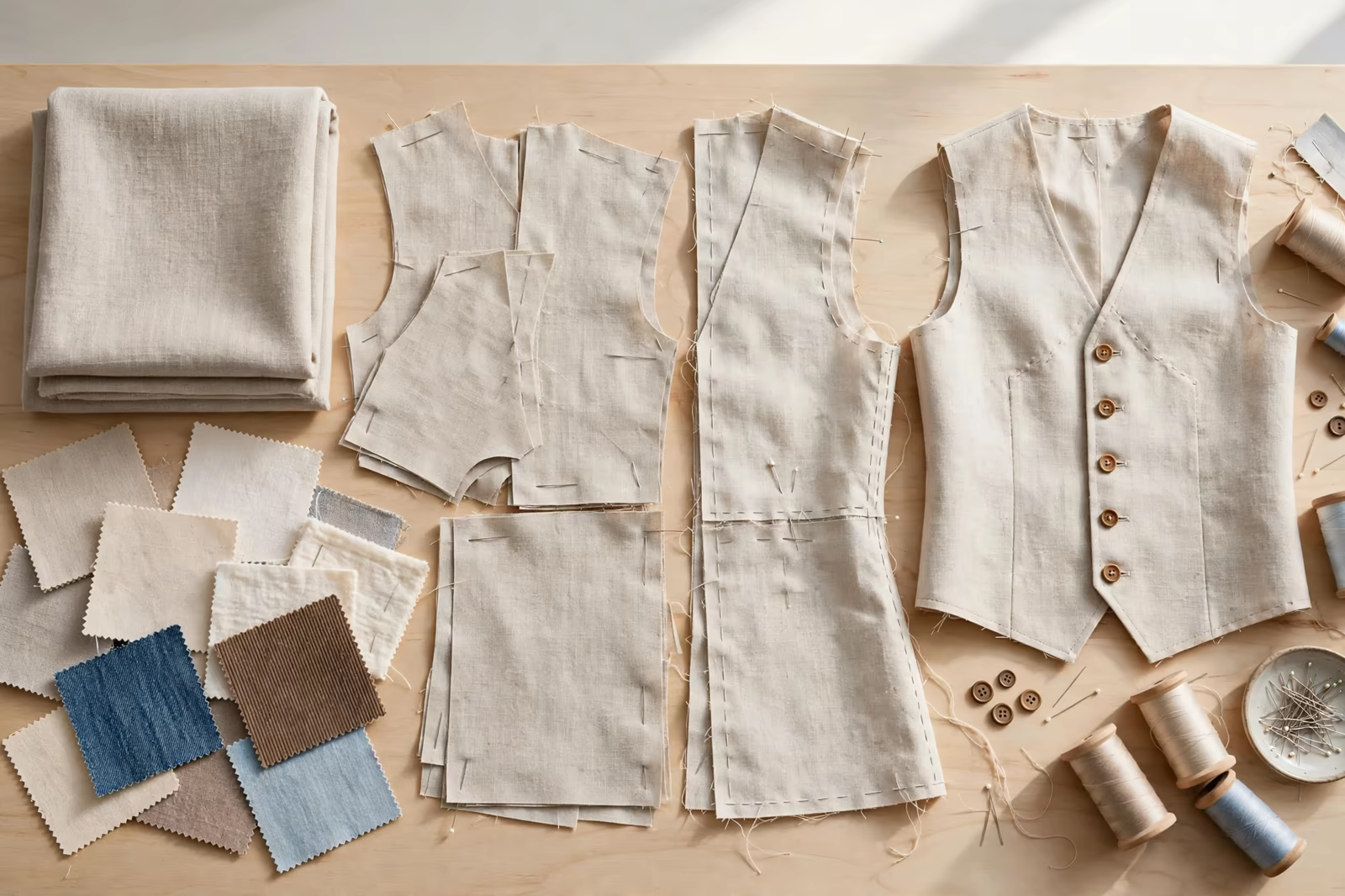
Expansion lives or dies in sampling, where several styles at different stages compete for the same sample room and the same approver. Run the pipeline visibly, with stages and gates, so no style drifts forward on enthusiasm alone.
- Each style in a named stage: concept, first sample, fit, pre-production, approved
- Gate criteria written: what a style must prove to advance
- Sample rounds capped per style, with the cap forcing decision quality
- Development costs tracked per style from the first sample onward
- Killed styles recorded with their lessons, not quietly forgotten
The cap deserves its defence: unlimited rounds feel generous and behave like indecision billed hourly. A style that cannot converge within its rounds is telling you something about its fit with the factory, the price point or the concept, and the pipeline’s job is to make you listen early.
Pricing the Widening Range
New categories arrive with new cost structures, and the brand’s price architecture must absorb them without breaking the customer’s sense of one coherent offer. Price each step from its own honest costing, then test the whole range for coherence.
- Each style costed on its own fabric, making and trim facts
- Margins set by the brand’s architecture, not copied from the core style
- Entry and premium positions within the range defined deliberately
- Combined freight and consolidation gains counted where they are real
- Retail prices reviewed as a family before any single one is published
Incoherence confuses customers faster than high prices do. A range whose prices tell one story, entry to premium, sells its second category on the first one’s credibility, which is the entire economic point of expanding under one brand.
Warning Signs: Expansion Outrunning the Brand
Growth has a failure tempo as well as a success one, and the signs appear in operations before they appear in sales. Watch for them in the scorecard and the calendar, where they are cheapest to read.
- Sampling rounds multiplying while approvals slow down
- The core product’s quality or dates slipping as attention wanders
- New styles launching before the previous style’s review is written
- Inventory fragmenting into many slow styles and no deep ones
- The factory raising capacity questions the buyer keeps postponing
Any two of these together mean pause: consolidate the range you have, let the newest styles prove themselves, and resume expansion from evidence. A pause announced honestly to the factory strengthens the partnership; a collapse teaches both sides the same lesson at full price.
The Reorder Engine Underneath
Underneath the expansion, the proven styles must keep reordering like clockwork, because they fund the experiments and hold the customer base the new styles are being built for. Protect their rhythm explicitly in every expansion decision.
- Reorder slots reserved before new-style production is scheduled
- Core fabric and trim continuity watched as a standing risk
- Proven styles’ scorecard lines reviewed first at every meeting
- New styles’ launches timed away from core reorder peaks
- Cash and attention budgets stated per style, core styles first
Brands that expand well look almost boring from the warehouse: the core arrives on time, season after season, while the new names appear one by one at the edges. That boredom is the sound of the engine working, and it is what the steps in this guide are for.
Frequently Asked Questions
How fast should a range expand?
One proven step at a time, at the speed your sampling and approval capacity honestly supports. Each new style deserves a full development cycle and one reviewed production cycle before the next begins. Brands rarely fail from expanding slowly; they fail from five half-learned lessons arriving in one season. If your calendar cannot show each style’s development and production without overlaps you cannot explain, the calendar is giving you the expansion speed, whatever the strategy document says.
Which product should come second?
The adjacent one: sharing fabric family, construction or customer with your proven core, so only one variable is new. The second product’s job is to prove the system can widen, and boring choices prove it fastest. Save the adventurous category for step three, when the system has a widened base to be adventurous from, and its failure would be a lesson rather than a collapse.
Will one factory treat small new styles seriously?
A factory that values the relationship treats the trial as the range’s future arriving early, especially where your combined volume is significant. Judge by the sampling care and the calendar honesty, and record both in the scorecard from the very first small order, however warm the relationship already feels.
What is the biggest risk of expanding with one factory?
Concentration: capacity, disruption or quality drift in one partner touches the whole range. Manage it visibly, through the scorecard, the calendar and honest volume conversations, and revisit the second-factory question annually on evidence rather than anxiety. Concentration also has a quiet virtue worth naming while you manage its risk: one partner who knows the whole range can balance capacity, fabric and learning across styles in ways no portfolio of strangers ever will.